
A smoky smell on a humid afternoon, scratching above the damper, a fire that refuses to draw: chimneys tend to announce trouble in small ways first. If one of those moments led you to search for “chimney animal removal”, you are in a good place to start. This page walks through chimney wildlife removal for buildings around Langley, explaining what usually causes problems, what a visit involves and which simple checks you can make safely on your own.

Soot and creosote are different deposits: soot is a dry, powdery carbon dust, while creosote is a tarry residue from wood smoke that can be flaky, sticky or glassy. Soot comes from incomplete burning and can be left by wood, oil or a gas appliance that is not running cleanly. It is lighter and brushes away easily, but it still narrows the flue and can hold moisture and odors. Creosote is the bigger fire concern because of its oily base. Seen from the firebox, soot looks like fine black powder, while creosote looks crusty, shiny or tar-like. A technician adjusts the cleaning to match.
Wildlife can wreck dampers, caps and liners as well as block the flue, and the damage we find after a long-term visitor is often worse than owners expect. Raccoons are strong enough to bend damper blades, rip out the insulation around a factory-built flue and pull mortar from a deteriorating smoke chamber while building a den. Birds pack sticks so tightly that a flue closes almost completely. Squirrels chew at whatever they can reach while trying to escape. Then there is what animals leave behind: droppings, wet nesting material and sometimes the animal itself, all of which soak into porous masonry. A camera check after removal shows us whether any of that needs repair.
The obvious signs are noise, smoke and flames at the top, but the ones we look for are what a fire leaves behind. Creosote that has burned swells into a light, porous crust that looks a little like charcoal sponge. Clay tiles crack or shift, metal liners and caps can buckle or turn blue, and the mortar near the top may show heat damage. We sometimes find these marks in chimneys whose owners had no idea anything happened, because a slow fire can burn out on its own. That is why a camera inspection is the usual next step whenever there is any doubt about a past fire.
We remove animals humanely by working with their habits instead of against them. First we identify what is inside, because a brood of young birds, a raccoon mother with kits and a single trapped squirrel each call for a different plan. Young birds usually need a short wait until they can fly. A raccoon mother will often move her litter once the den feels disturbed, after which we fit a one-way door to confirm everyone is out. A trapped squirrel can sometimes climb out on a rope or board lowered into the flue. When a situation calls for a wildlife specialist, we say so and coordinate with them.
From our side, the price follows the number of trips and the amount of material that has to come out. A visit to free one bird is short. A raccoon den usually means installing an exclusion door, coming back to confirm the chimney is empty, then hauling out bags of nesting material, sweeping and fitting a cap that will hold. Roof height and pitch matter as they do for any chimney job, and multi-flue chimneys may need one cover for all of them. We explain each step before starting, so the total makes sense and nothing on the invoice comes as a surprise.

Keep everything closed and quiet until help arrives; that is the advice we give on nearly every call like this. A shut damper keeps the animal on the chimney side, where it is safer for everyone. Many trapped animals settle once the house is calm, which makes removal easier. We ask owners not to try smoke, noise devices or poles, because a panicked animal can injure itself or end up behind a wall. The more you can tell us about the sounds, the time of day and whether they move up or down, the clearer our plan will be before we set up the ladder.
Spring is nesting season, so many animals start looking for safe, sheltered spots just as fireplaces go quiet. Raccoon mothers search for dens before giving birth, birds return and begin building, and squirrels raise their first litters. An uncapped chimney that has sat unused for a few weeks looks ideal to all of them. That timing makes late winter a smart moment to check that your cap is intact and fastened. If you already hear activity, booking chimney wildlife removal early in the season gives you more options than holding off until the young are larger and louder.
You can handle simple upkeep yourself, but the sweeping is usually a job for a professional, and creosote sweeping logs only loosen some deposits rather than replacing a real cleaning. Safe tasks include removing cold ashes, keeping the hearth clear, looking up the flue with a flashlight when the fire is out and checking the cap from the ground with binoculars. Full sweeping means roof work, brushes matched to the liner and a way to contain soot indoors, and it skips the inspection a trained technician does at the same time. Leave anything involving the liner, masonry or gas parts to professionals.
For most chimney animal problems, a chimney company is a sensible first call, because the work involves the flue, damper and cap as much as the animal. Many chimney technicians handle trapped birds and squirrels and clear nests themselves, and they can fit a proper cap afterward. Some situations, such as a raccoon family or bats, may be passed to a wildlife specialist or handled together with one. Ask during your “chimney animal removal” inquiry who will do which part, how the animal will be handled and whether the chimney will be swept and capped before the job is closed.

The quote form takes a minute or two. Add your address in Langley, a line about what you need and how you would like us to reach you. Fill in the form and we will get back to you with a price and the next available times for chimney wildlife removal.
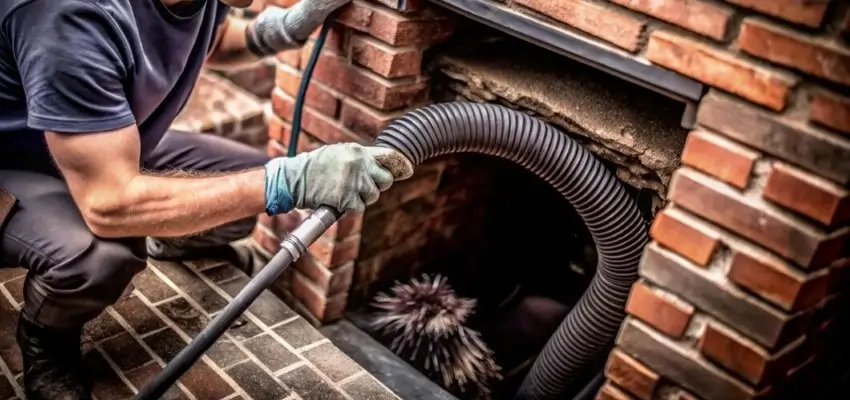
Chimney Cleaning that lifts soot and creosote in Langley
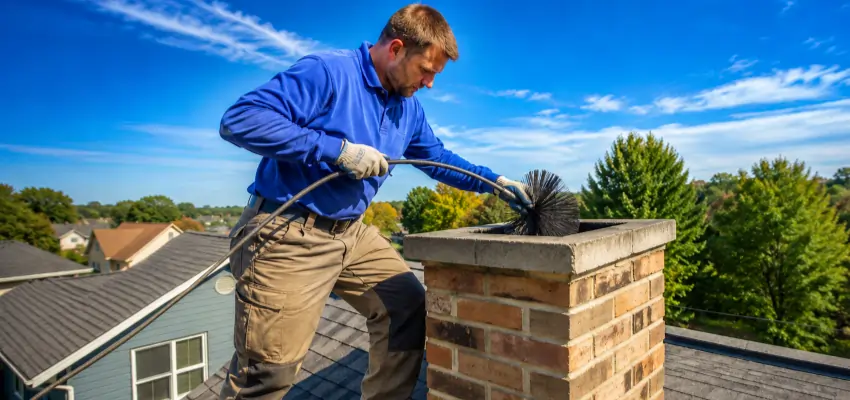
Careful Chimney Sweep for wood fireplaces and stoves in Langley
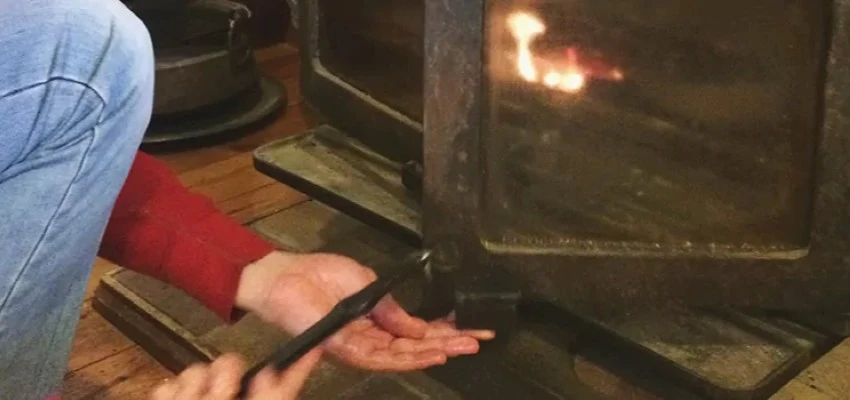
Flue brushing, damper checks, cleanup: Chimney Sweep Services in Langley
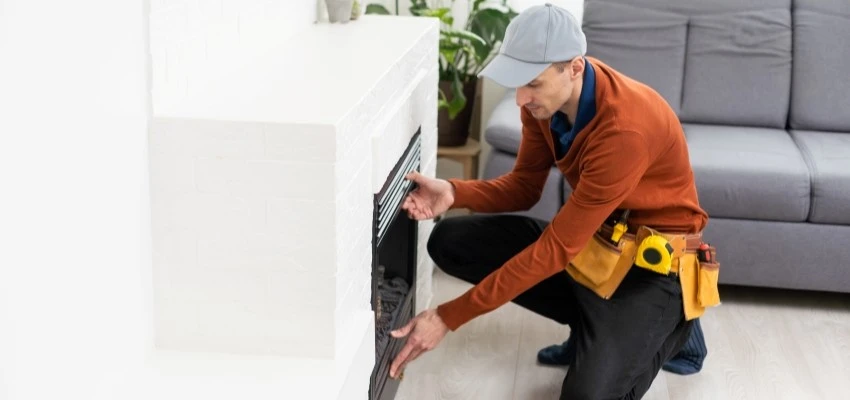
Ready for the season with Fireplace Experts in Langley
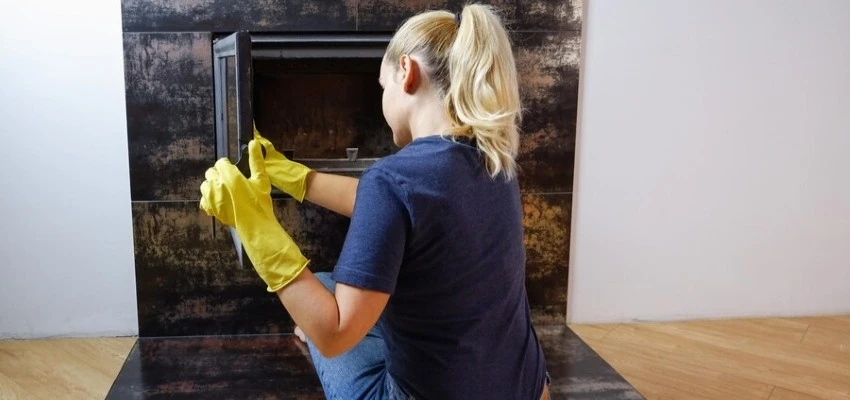
Logs lifted, embers reset: Gas Fireplace Cleaning near Langley
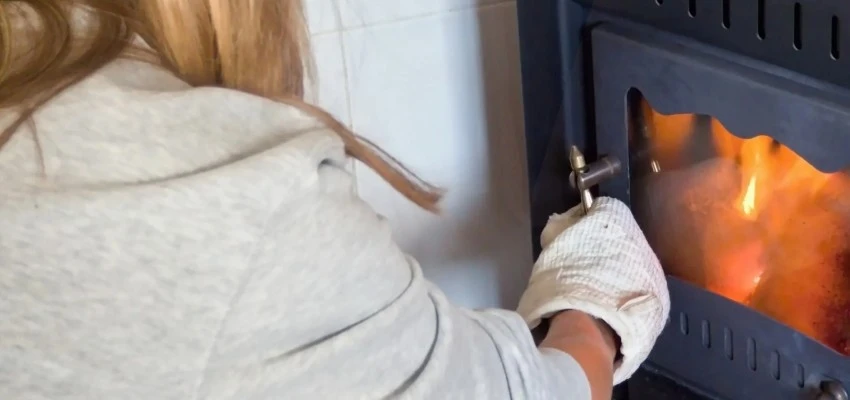
A record of every Gas Fireplace Maintenance visit

