
Some of the most useful chimney conversations happen after the tools are packed, when the owner finally asks what they have always wondered. This page puts those questions up front. If you searched for “chimney blockage removal” in Langley, you will find how chimney blockage clearing is usually approached, what differs from one flue to the next and where your own observations can help the technician do a more thorough job.

Very little creosote comes from gas, so sweeping is needed far less often than with wood, yet we still find plenty to deal with when we look up a gas chimney. Gas exhaust carries a lot of moisture, and in a cold masonry flue that moisture condenses, mixes with combustion byproducts and slowly eats at mortar joints and clay tiles. Crumbled material piles up at the base, sometimes with an old nest on top. Black soot around the opening of a gas appliance is another warning sign; it usually points to a burner problem for a qualified gas technician to sort out. A yearly check of the flue path, cap and connections is a common recommendation for that reason.
Creosote is the residue that forms when wood smoke cools on its way up the chimney and its tars, gases and moisture condense on the flue walls, and it is dangerous because it burns easily and very hot. A thick layer can catch from a stray spark or an unusually hot fire, and the resulting chimney fire can crack liners and push heat toward nearby framing. Creosote builds faster with damp wood, smoldering fires and chimneys on cold outside walls. It may look like black flakes, a sticky tar or a hard, shiny glaze. If you see any of these on the damper or around the firebox, book a sweep.
Yes, if those appliances vent into the same chimney. Many older homes route a gas furnace or water heater through a flue in the main chimney, and a blockage there can push their exhaust back into the basement instead of up and out. That is a carbon monoxide concern, so working CO alarms near those appliances and the bedrooms matter. If an alarm sounds, get everyone outside and call the fire department. When arranging “chimney blockage removal”, mention every appliance connected to the chimney so the technician checks each flue, and leave any adjustment of the appliances to a qualified gas technician.
Black flakes dropping from the damper, a sluggish fire and a campfire smell that hangs around are the signs we see most, and any owner can spot them. When we open a damper and a shower of debris comes down, the flue is overdue. A fire that sulks, needs constant coaxing or leaves a haze in the room tells us the draft is restricted somewhere. A sharp odor long after the last fire usually comes from deposits in the flue. We also ask about the calendar: if nobody remembers when the chimney was last swept, that alone is reason enough to book a look before the next fire.
Smoke comes back into the room when the chimney cannot pull it upward fast enough, and the usual causes are a cold flue, a partly closed damper or a house that is short of air. Make sure the damper is fully open and start with a small, hot kindling fire so the flue warms gradually. Kitchen and bathroom fans can draw air down the chimney, so switch them off and open a nearby window slightly. Wet wood produces heavy smoke too. If smoke still spills in after those changes, a blockage or a problem with the chimney itself needs a professional look.

A common guideline is to have a chimney inspected once a year and swept whenever that inspection finds meaningful buildup, which for a fireplace or stove used regularly usually means about once a year. Heavy users, such as households heating mainly with wood, may need sweeping more than once per season. A fireplace lit only a few times each winter may go longer between sweeps, yet it still benefits from the yearly look, because nests, water damage and cracks have nothing to do with how often you burn. Many sweeps regard about an eighth of an inch of buildup as the point where cleaning is due.
Preparing for a chimney visit mostly means letting the fireplace or stove cool and clearing space around it. Skip fires for at least a day beforehand so the ashes and flue are cold. Move furniture, rugs, screens and decorations a few feet back from the hearth, and take fragile items off the mantel. Outside, make sure the technician can reach the roof: unlock gates, move vehicles away from the walls where a ladder may go and keep pets indoors. Note anything unusual you have noticed, such as smells, sounds or smoke, and have the date of the last cleaning handy if you know it.
Any home with a fireplace, wood stove or gas appliance should have working carbon monoxide alarms on every level and near sleeping areas, along with smoke alarms. Carbon monoxide has no color or smell, so an alarm is the only dependable warning if a blocked or damaged flue pushes exhaust back indoors. Test alarms monthly, change batteries as the maker suggests and replace the units when they reach the end of their stated life. If a CO alarm sounds, get everyone outside and call the fire department from outdoors. Do not go back in until you are told it is safe.
A cleared flue shows itself in a few simple ways. The technician should be able to show you an open flue on camera from bottom to top, or at least a clear view of daylight from below on a straight chimney. When the fireplace or stove is next used, the fire should catch quickly and smoke should rise without drifting into the room. Any appliance sharing the chimney should run normally with CO alarms staying quiet. If smoke, odor or weak draft returns after chimney blockage clearing, ask for a second look, since part of the obstruction may have settled higher up.

We are glad to explain the process, the likely timing and what affects the price before you decide anything. Most people find that a few minutes of conversation answers the questions this page could not. Send us a message and we will reply with clear next steps.
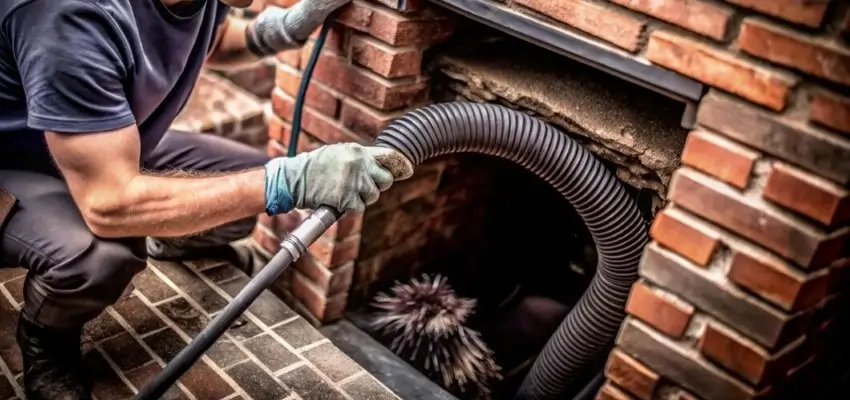
Chimney Cleaning that lifts soot and creosote in Langley
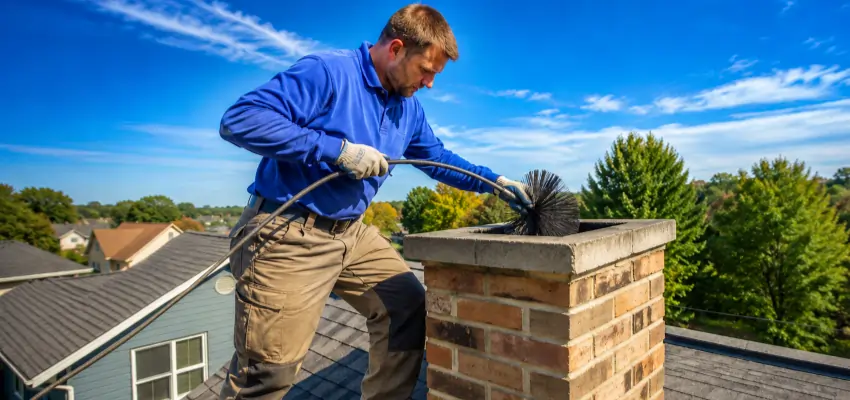
Careful Chimney Sweep for wood fireplaces and stoves in Langley
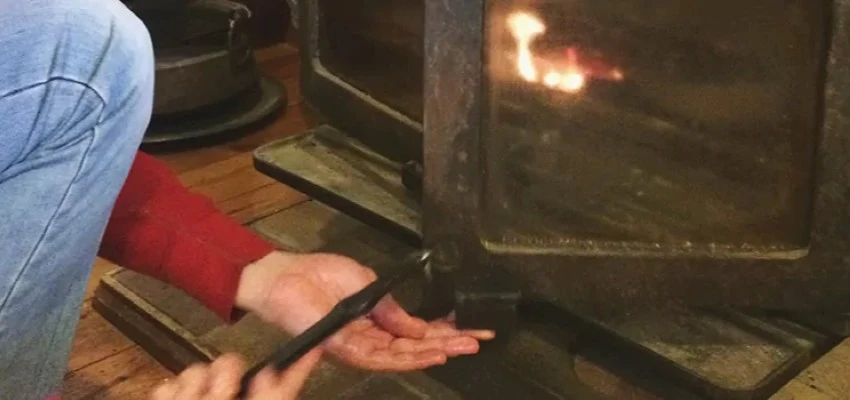
Flue brushing, damper checks, cleanup: Chimney Sweep Services in Langley
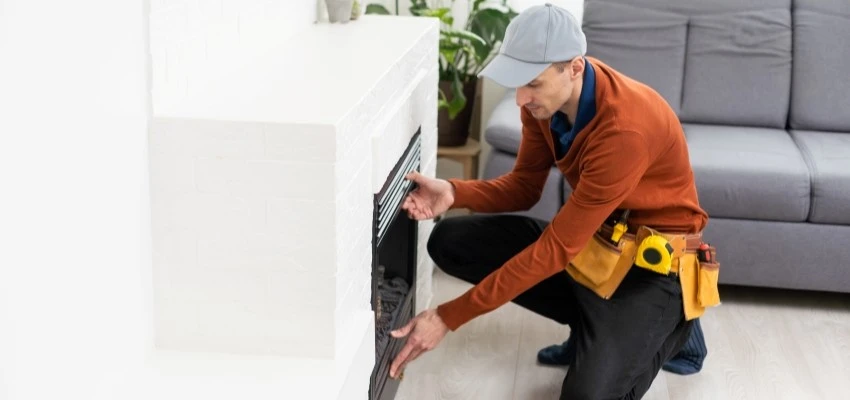
Ready for the season with Fireplace Experts in Langley
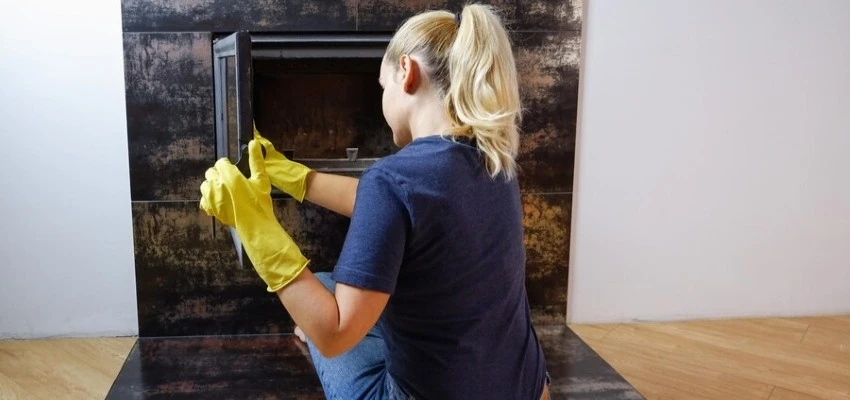
Logs lifted, embers reset: Gas Fireplace Cleaning near Langley
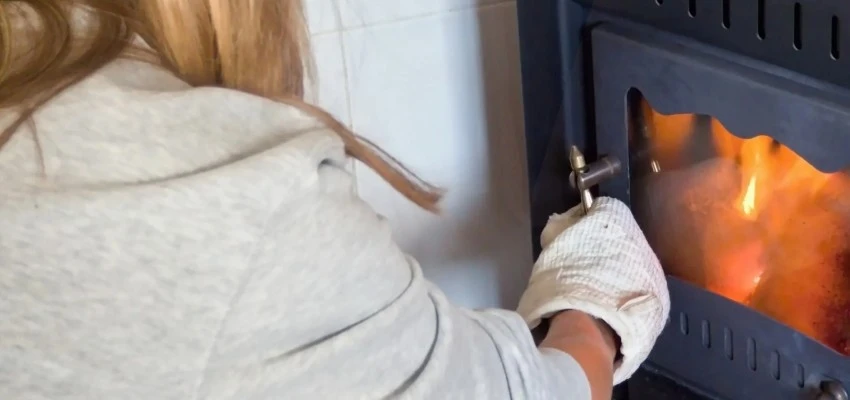
A record of every Gas Fireplace Maintenance visit

