
Chimney problems are hard to judge from the ground, and climbing up for a closer look is not something we recommend. A clear explanation is the safer first step. This page covers what people in Langley usually want to know after a search for “chimney cap replacement”: what tends to go wrong, what a repair visit involves, what affects the price and how to tell a careful company from a hasty one. It is written to help you understand chimney cap installation, not to push you into it.

Chimney repair is important because a chimney has two jobs that both depend on it being sound: carrying smoke and combustion gases out of the house, and keeping rain and snow out of the structure. A cracked crown, a loose cap or a failing seal lets water into the masonry, the roof framing and the walls around the fireplace, and that kind of damage spreads quietly. A fault inside the flue can let heat or gases reach places they should not. A fireplace that still lights is no proof that everything is fine, so it pays to fix small problems while they are still small and inexpensive.
It can let them into the chimney, and from there into the house in some cases. Birds, squirrels and raccoons use uncapped flues as shelter, and a damper left open or a gap in an old firebox can give them a route indoors. Signs include scratching or chirping in the chimney, nesting debris in the firebox and a strong smell. Do not light a fire to drive animals out. A wildlife service may be needed first, and then the cap can go on. People who search for “chimney cap replacement” after an animal visit should ask that the flue be checked for nests before the new cap is fitted.
A chimney cap should be replaced when it is rusted through, bent, loose or missing pieces, or when its mesh is torn. Signs from inside the house include rain or debris falling into the firebox, birds or animals in the flue and a rusty damper. From the ground you may see a cap that sits crooked, rust streaks running down the crown or no cap at all after a windstorm. Galvanized caps tend to rust sooner than stainless steel or copper ones. A cap whose mesh is only clogged with soot may just need cleaning, but damaged metal should be replaced.
A leaking chimney almost always has one of a few causes: a missing or damaged cap, a cracked crown, failed flashing where the chimney meets the roof, or porous bricks and mortar soaking up rain. On factory-built chimneys, a rusted or flat chase cover is a frequent culprit. Water may show up far from where it enters, running along the flue or the framing before it appears as a stain. Note when the leak happens, whether in every rain or only when wind blows from one direction, and where you see it. Those details help narrow down the source quickly.
We run repairs in a set order: confirm, protect, fix, test, explain. Confirming means checking the chimney ourselves rather than relying only on the phone description, because the cause of a leak or a stuck part is not always where it seems. Protecting covers drop cloths inside and care around shrubs and shingles outside. The repair itself depends on the part involved. Testing might mean running water over new flashing, cycling a damper several times or checking draft with a little smoke. We finish by walking you through what we did and showing photos of areas you cannot see from the ground.

A clear hearth, a cold fireplace and room for a ladder cover most of what we need. We lay drop cloths in front of the fireplace, so a few feet of open floor helps, and glass doors or screens may need to come off. Outside, our ladders go on firm, level ground near the chimney; parked cars, garden beds and stored items in that spot slow the setup. We also like to know where the attic hatch or basement access is if the repair could involve them. Pets are happier in a closed room, since we will be going in and out of doors often.
The flue tile, and sometimes the whole top of the chimney. For a single-flue cap, the outside length and width of the tile and how far it sticks up above the crown decide which base will fit. For a full-width cap, the measurement is the crown itself, plus the height of the tallest flue so the hood clears it. The number of flues, the fuel each one serves and any antenna or bracket on the chimney matter too. A careful company measures on the roof before ordering, which avoids a second trip and a cap that rattles loose. Expect this step early in chimney cap installation.
The repairs we make hold up longest when the rest of the chimney system is looked after too. That means a cap that stays in place with clear mesh, a crown kept free of leaves and moss, flashing left alone by anyone doing roof work and regular sweeping if you burn wood, because creosote and moisture attack the inside of the flue. We tell homeowners exactly how long to wait before the first fire after masonry work. After that, a glance at the chimney from the yard after big storms and a professional look once a year usually keeps surprises to a minimum.
Pick the company that gives you specifics. One that knows chimneys asks what yours is made of and what burns in it before giving a figure, and it talks about the cause of a problem rather than just the symptom. On site, it should take photos from the roof and inside the flue, lay out the options and let you decide without pressure. Tidy work matters, since soot and mortar dust travel. Ask how follow-up questions are handled once the job is done, and whether the same crew will come back if something needs a second look.

We confirm the details of your home, suggest a visit window and explain what chimney cap installation will involve. On the day, the technician checks in before starting and walks you through the results at the end. Get started with a quote from Chimney Sweep Langley.
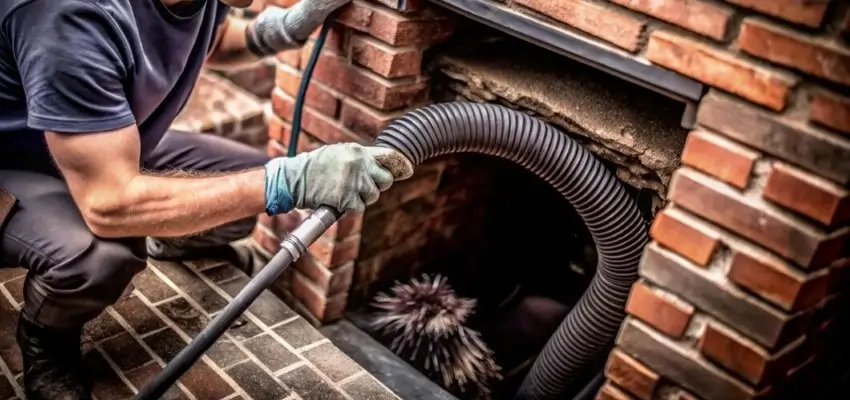
Chimney Cleaning that lifts soot and creosote in Langley
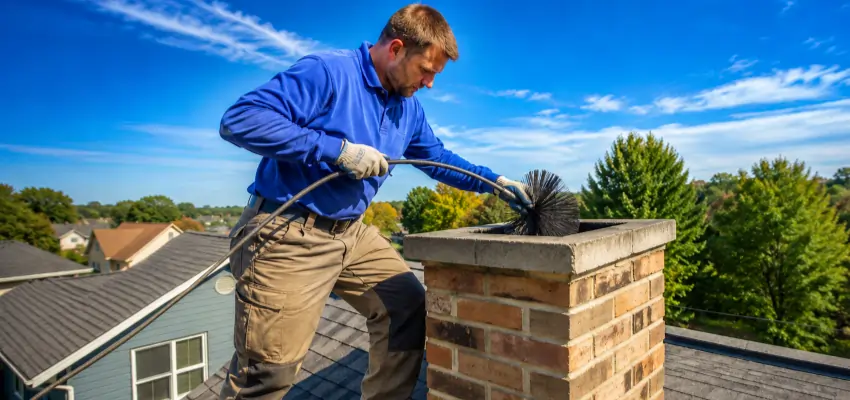
Careful Chimney Sweep for wood fireplaces and stoves in Langley
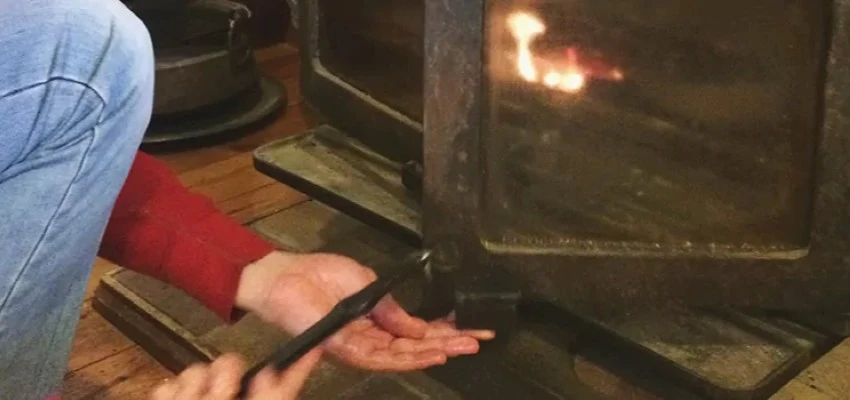
Flue brushing, damper checks, cleanup: Chimney Sweep Services in Langley
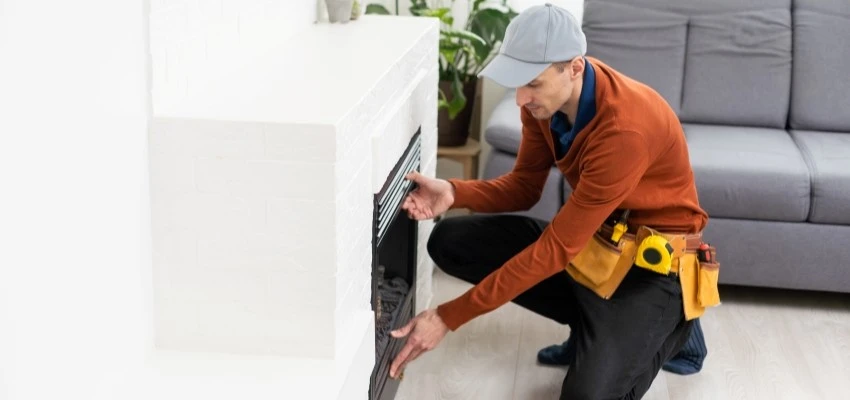
Ready for the season with Fireplace Experts in Langley
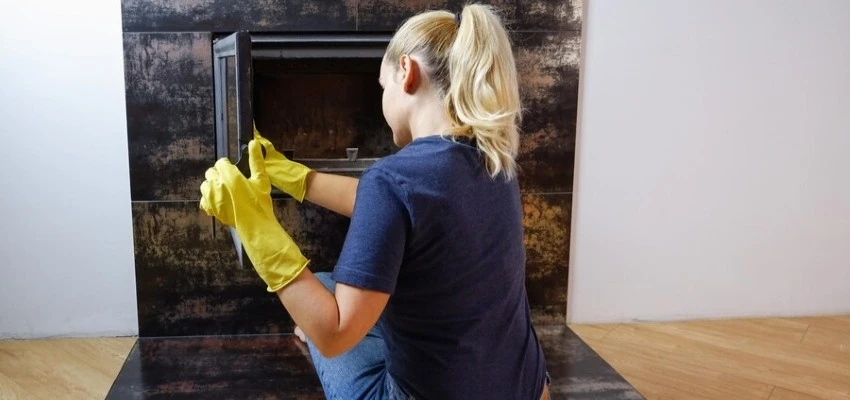
Logs lifted, embers reset: Gas Fireplace Cleaning near Langley
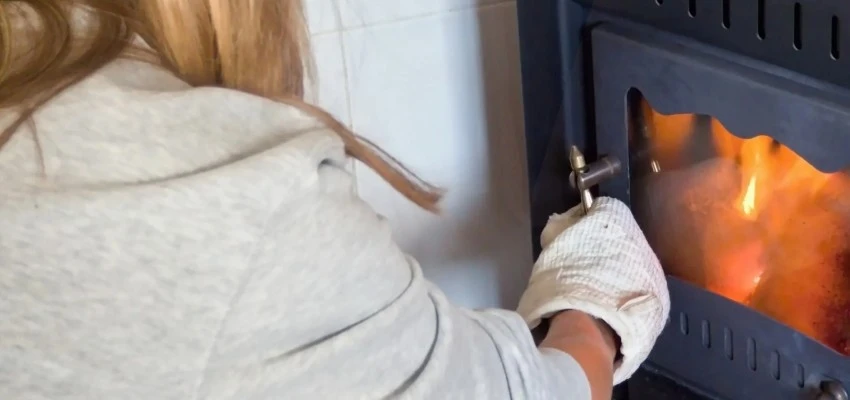
A record of every Gas Fireplace Maintenance visit

