
Brick chimneys on older houses, insulated metal flues on newer ones, stovepipes, wood-fired ovens and boiler vents all move smoke the same basic way, yet each one ages differently. For property owners in Langley researching “chimney cleaning”, the answers that follow explain chimney cleaning in practical terms, with notes on the setups that come up most often and the details worth mentioning when you call a company.

In everyday use, yes. Both phrases describe removing soot, creosote and debris from the flue so the chimney drafts well and carries less fire risk. Some companies use “chimney cleaning” as the broader term, covering the firebox, smoke chamber and damper as well as the flue, while sweeping sometimes refers only to brushing the flue itself. The words matter less than the scope, so ask what is included before you book: which parts are cleaned, whether there is a visual or camera check and whether you receive notes on the chimney’s condition afterward.
Creosote is condensed wood smoke, and its flammability is the main reason chimney sweeping exists. Smoke carries unburned particles and vapor, and when it meets a cooler surface those compounds stick. We find the heaviest deposits where gases slow down or lose heat quickly: the smoke chamber just above the damper, the bends in a stovepipe and the upper section of chimneys built on an exterior wall. That residue is fuel sitting inside a passage built to carry fire, so a spark or an overloaded firebox can ignite it. That is why we gauge its thickness on every visit and explain what it means for you.
The clearest sign a chimney needs sweeping is black, flaky buildup you can see on the damper or falling into the firebox. Other clues often show up alongside it:
Any one of these is worth a check. Two or three together usually mean the flue is overdue.
Glazed creosote comes off with tools and time, since an ordinary brush glides over it like a broom on ice. We describe creosote in three stages: a loose, sooty layer that brushes away, a crunchy, flaky layer that needs stiffer heads, and a glossy third stage that clings to the liner like candy coating. For that last stage we use rotary heads with chains or cutting blades, spun on a drill and matched carefully to the liner so we do not damage it. Chemical modifiers help too, turning the glaze into a brittle crust we can sweep out later. Each method has limits, so we explain them first.
The cost of chimney work depends mostly on how many flues are involved, how easy they are to reach and how much each one needs. A single fireplace flue on a low roof costs less than a tall chimney on a steep roof or a building with several flues. Stoves and inserts that must be disconnected take longer. Heavy or glazed creosote, a blockage or an animal problem adds time and sometimes a return visit. Camera inspections, written reports, caps and repairs are often priced separately. Ask for a written quote that lists what is included so you can compare companies fairly.

A standard chimney sweep usually takes about an hour to an hour and a half for a single flue. Expect more time if there are several flues, if a stove or insert has to be disconnected, if the roof is steep or high, or if the buildup is heavy or glazed. A camera inspection or a written report adds a little more. Plan to be available for the whole visit and for a short conversation at the end, when the technician explains what was found. If your day is tight, describe your setup when booking so the company can give you a realistic window.
A cold firebox and a bare hearth help us more than anything else. Clear a few feet of floor for the vacuum and drop cloths, and lift screens and ornaments off the hearth itself. Warm ash is the most common reason a job starts late, since we cannot clean safely until it has cooled. Outside, we need a stable spot near the chimney for the ladder, so mention soft ground, flower beds or a deck that might be in the way. Tell us about alarm systems, a dog that dislikes visitors or a roof that is easier to reach from the back. Those small details save time on the day.
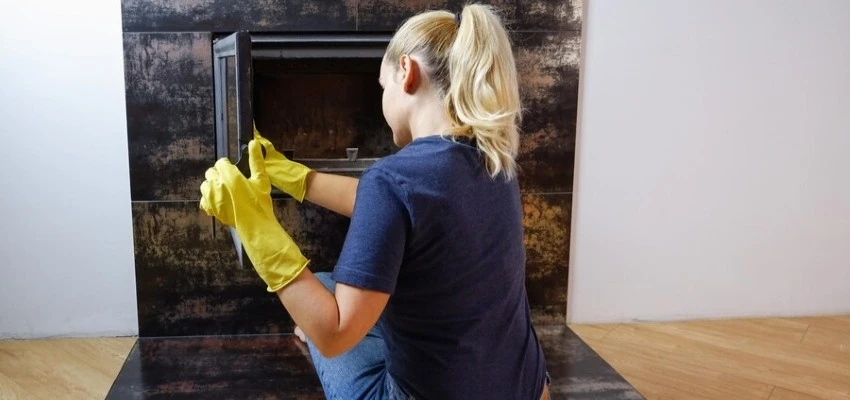
Wait until the fireplace is completely cold, then clean the glass with a product made for fireplace glass and a soft cloth, avoiding abrasive pads that scratch. A light haze is normal; heavy black film suggests smoky fires. For the hearth, sweep up loose ash or use a vacuum designed for ash, since household models can push fine dust back into the air. Wipe stone or tile with mild soapy water. These small tasks keep the area tidy between visits, while chimney cleaning handles the flue and smoke chamber that you cannot reach safely.
Choose a chimney company that explains its process clearly, quotes based on your actual chimney and shows you what it finds. A good company asks about the appliance, the number of flues and the roof before giving a price, and tells you what the visit includes. On the day, the technician should protect the room, contain the soot and explain the condition of the flue, ideally with photos. Read recent reviews for comments on tidiness and honesty. Be cautious with a very low advertised price followed by pressure to approve large repairs on the spot, and get a second opinion before major work.

If you can safely snap a picture of what worries you, mention it when you get in touch. It helps the technician bring the right tools and plan the visit. Reach out to Chimney Sweep Langley and we will tell you how to share it.
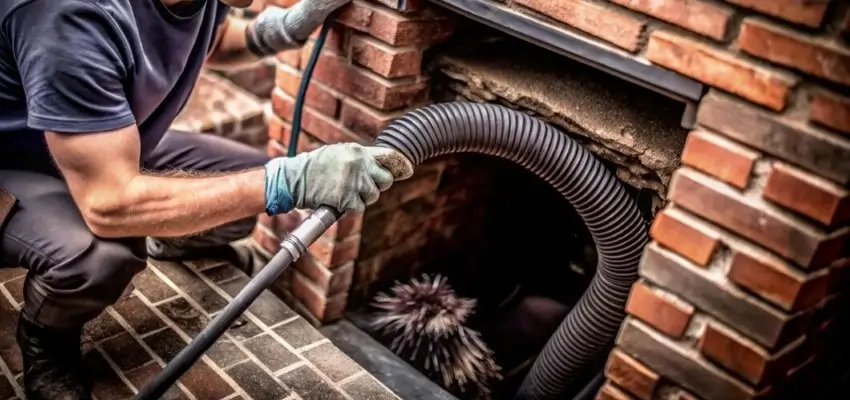
Chimney Cleaning that lifts soot and creosote in Langley
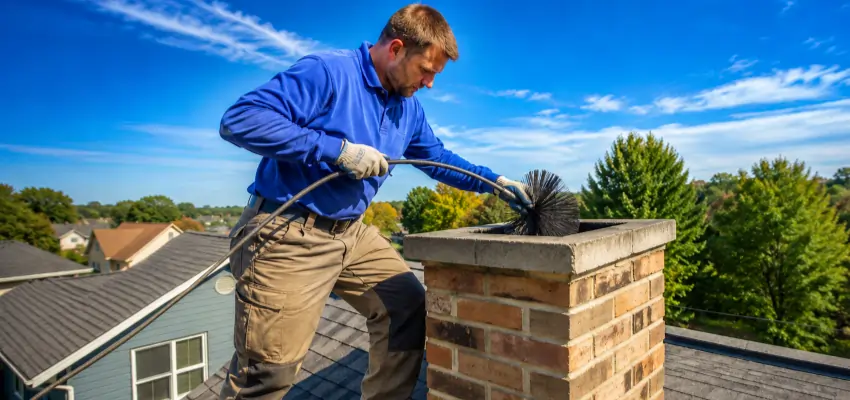
Careful Chimney Sweep for wood fireplaces and stoves in Langley
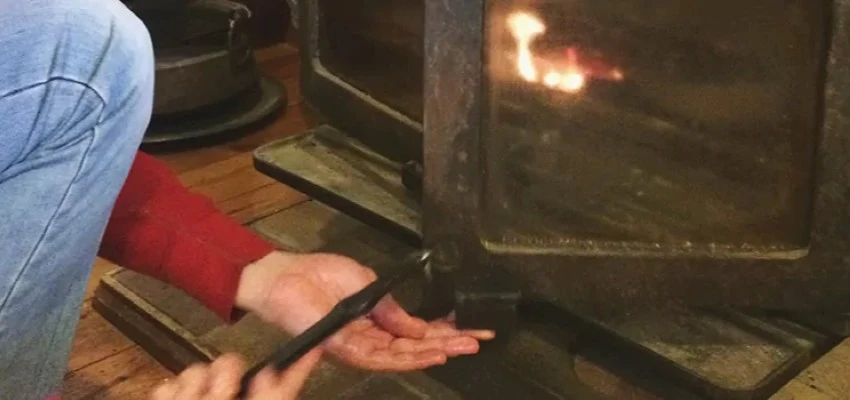
Flue brushing, damper checks, cleanup: Chimney Sweep Services in Langley
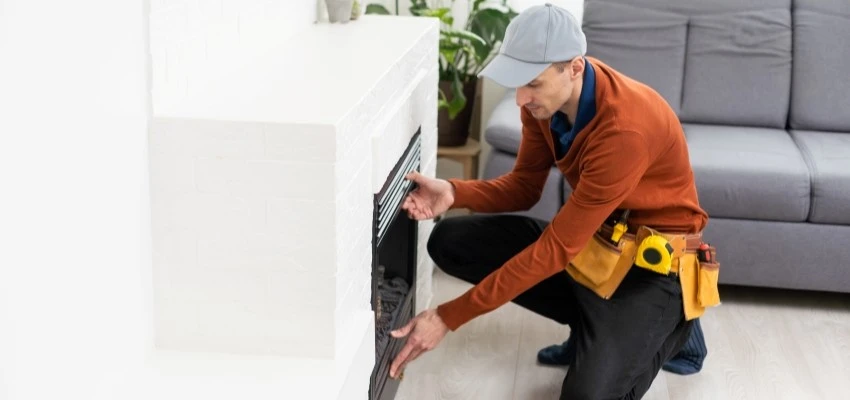
Ready for the season with Fireplace Experts in Langley
Logs lifted, embers reset: Gas Fireplace Cleaning near Langley
A record of every Gas Fireplace Maintenance visit

