
A chimney stands out in the open all year, taking rain, wind, sun and, in many places, hard freezes with no shelter at all. Sooner or later something on it needs attention, whether that is a loose cap, a tired mortar joint or a part inside the flue. If you searched for “chimney fan services”, this page gathers the questions homeowners in Langley ask most often about chimney fan service, answered plainly so you can judge what your own chimney needs and what can wait.

A chimney fan creates draft on demand, which is why we suggest one only after ruling out simpler causes of a smoky fireplace. Draft normally comes from warm gases rising up a tall enough flue. When the house, the chimney height or the surroundings work against that, smoke lingers at the firebox opening and drifts into the room. A fan at the top of the stack draws the exhaust out mechanically. Before recommending one, we check for blockages, damper faults and air-pressure issues in the house, since fixing the real cause is sometimes simpler. When a fan is the right answer, the difference is usually immediate.
Many chimney fans are designed for wood-burning fireplaces and stoves, and some models are made for gas appliances, but the fan must suit both the appliance and the flue. Size, temperature limits and safety controls differ between models. Some installations include a switch that shuts the appliance down if the fan stops, which matters most with gas. The venting of any gas appliance should be reviewed by a qualified gas technician before a fan is added. When you ask about “chimney fan services”, describe exactly what burns in that chimney so the company can confirm the fan type before quoting.
Stains, debris and stiff moving parts inside the house are usually the first signs, long before anything looks wrong from the yard. A water mark on the ceiling beside the chimney, a musty smell when it rains, flakes of tile or mortar in the firebox and a damper that has gone stiff all point to something above. Outside, white chalky deposits on brick tell us water is moving through the masonry, and dark streaks below the cap or chase cover suggest rust. Smoke that hangs at the fireplace opening points to a draft problem. We trace each clue back to its source before suggesting any repair.
It depends on the part being repaired. Caps, crowns, flashing, upper masonry, chase covers, chimney fans and top-sealing dampers are reached from the roof or from ladders set against the chimney. Throat dampers, fireboxes, ash dumps, cleanout doors and many vent connections are handled from inside the house or at ground level. Roof work is planned around the weather, the pitch of the roof and safe ladder placement. Homeowners should not climb up to inspect or repair a chimney themselves; binoculars from the yard or the technician’s photos will tell you what you need to know.
Labor, access and materials drive the price, roughly in that order. Labor depends on the size of the repair and whether it can be finished in one visit or needs curing time between stages. Access covers roof height, pitch and anything that makes ladder setup awkward, such as a deck or steep slope below the chimney. Materials range from a tube of sealant to a custom stainless chase cover or a full liner kit. We also leave room in the conversation for surprises, because opening a chimney sometimes reveals more. Our quotes list each part of the work separately, so you can see where the money goes.

Small chimney repairs, such as replacing a cap, sealing a crown or freeing a damper, often take a few hours. Mid-sized jobs like new flashing, a new chase cover or a fan installation usually fit into a day. Larger masonry work, including repointing an entire stack or rebuilding the section above the roof, can take several days, because mortar and concrete need time to set between stages. Weather adds to the schedule for anything done outside, since rain and cold delay masonry. Ask for an estimate of both working time and total calendar time before the job is booked.
A chimney fan needs a regular cleaning and a quick mechanical check, usually during the yearly chimney sweep. Soot and creosote build up on the fan wheel and housing, which can unbalance it and reduce airflow, so the technician opens the unit, cleans those parts and checks that the motor turns freely and quietly. Wiring, the mounting base and the indoor speed control get a look too. Many fans are hinged so the flue can still be swept from the top. If you are looking into “chimney fan services”, ask whether fan cleaning is included with sweeping or quoted separately.
After a repair, the main job is to watch for changes and keep water and debris away from the chimney. Follow any instructions about when the fireplace can be used again, since new mortar or crown material may need time to cure. In the first few rains, check the ceiling and walls near the chimney for stains and look in the firebox for water or debris. Keep tree branches trimmed back from the chimney top and the gutters near it clear. Book a yearly inspection so small wear is caught early, and file the paperwork from the repair for future reference.
A local company is often the practical choice because it knows the housing styles, roof types and weather your chimney deals with. Builders in the same area often used similar chimney designs, so a nearby crew may already know where yours is likely to fail. Local service also makes it easier to schedule follow-up visits, check a repair after the first big storm or answer a question months later. Before booking, confirm the company works in your area with its own crew, and ask how it handles return visits if something needs adjusting.

Renovations, inspections and sales are all good reasons to check the parts of a home that are usually out of sight. We can fit the visit around your contractors or your listing date. Request a quote for chimney fan service and mention your timeline.
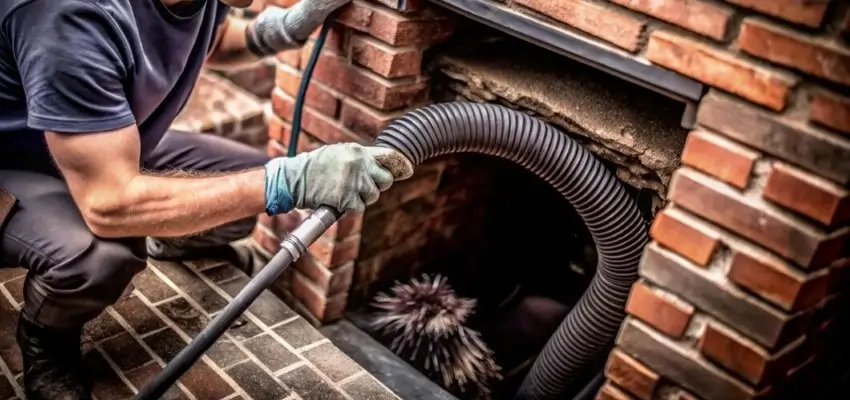
Chimney Cleaning that lifts soot and creosote in Langley
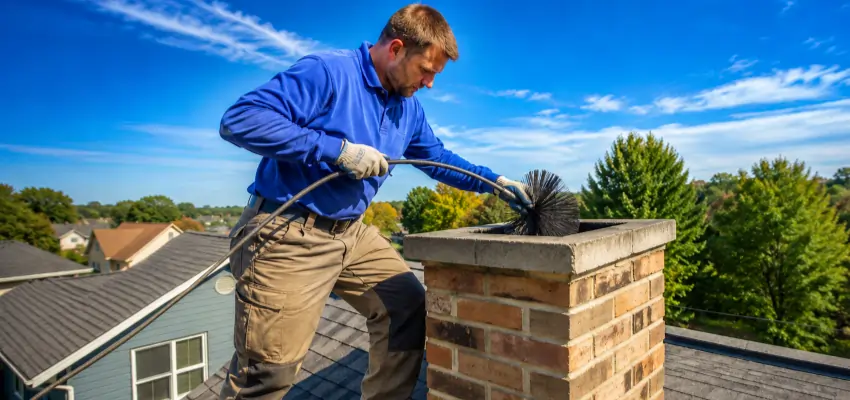
Careful Chimney Sweep for wood fireplaces and stoves in Langley
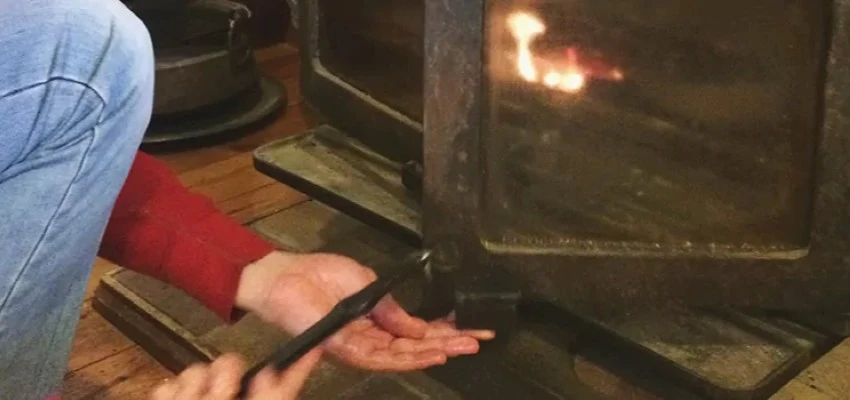
Flue brushing, damper checks, cleanup: Chimney Sweep Services in Langley
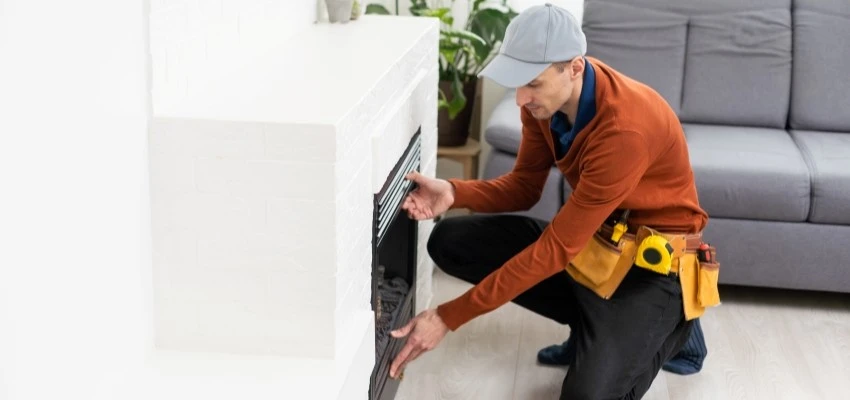
Ready for the season with Fireplace Experts in Langley
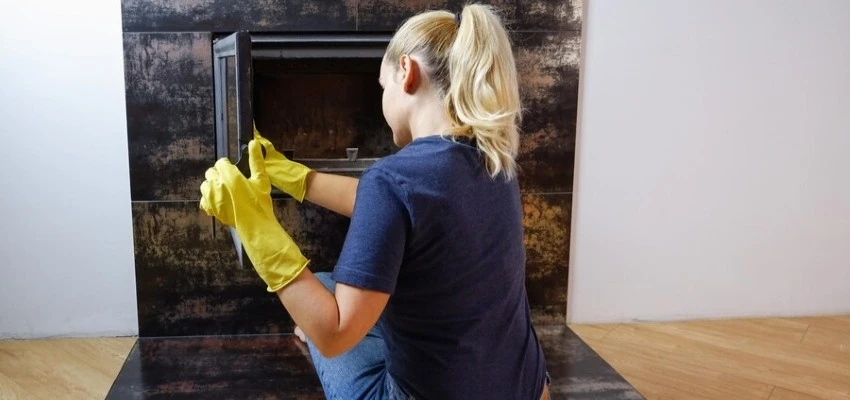
Logs lifted, embers reset: Gas Fireplace Cleaning near Langley
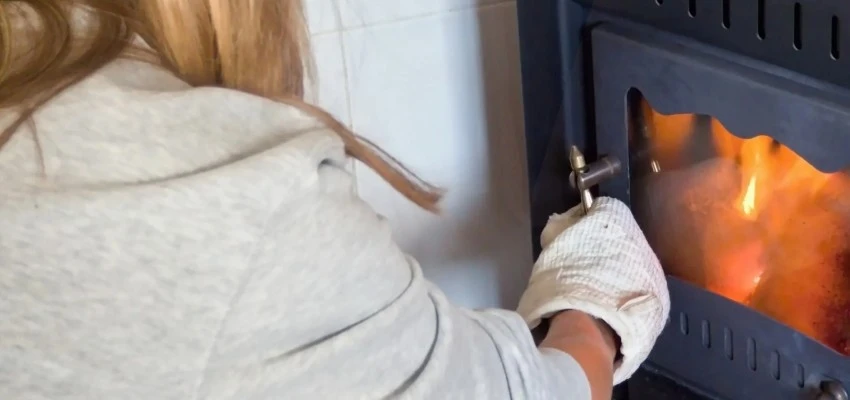
A record of every Gas Fireplace Maintenance visit

