
Our crews hear the same questions on almost every roof and in almost every living room, so we wrote them down. If “chimney flashing” is what brought you here, you will find honest explanations of flashing repair for homes around Langley, the kind a technician would give while pointing at the chimney itself. Some answers deal with safety, some with cost factors and timing, and a few simply explain how the parts of a chimney work together.

They are two layers of the same seal. Step flashing is made of short, L-shaped pieces of metal tucked under each course of shingles along the sides of the chimney, so every piece overlaps the one below like the shingles themselves. Counter flashing is fastened into the mortar joints of the chimney and folds down over the step flashing, covering its top edge. Together they let the roof and the chimney move independently without opening a gap. If one layer is missing, water finds its way in. Asking about both is a good test of any company you contact about “chimney flashing”.
Repairs matter because chimneys tend to fail slowly at first and then expensively. We regularly open up a chimney where a minor issue, such as a missing cap or one cracked mortar joint, was left alone for a few seasons. By then, water has soaked the bricks, rusted the damper or softened the wood framing beside the stack. Work at that stage takes longer and uses far more material. Catching the same fault early usually means a short visit and a modest bill. There is a safety side too, because a damaged flue or liner can let heat and smoke escape where nobody expects them.
Bad chimney flashing usually shows up as water stains on the ceiling or walls next to the chimney, damp attic framing or wet insulation around the chimney’s base. Flashing is the metal that seals the joint between the roof and the chimney, and it fails when sealant dries out, fasteners back out, metal rusts or roofing work disturbs it. From the ground, look for metal that has pulled away from the brick, gaps smeared with a thick bead of tar or caulk and missing or lifted shingles around the chimney. Leaks often appear first during heavy, wind-driven rain.
Resealing suits a joint that is sound but tired; replacement is right when the flashing has rusted, was nailed straight into the brick face or depends entirely on a thick smear of roofing tar. A proper replacement starts by removing the old metal and lifting shingles on all sides. New step flashing goes in course by course with the shingles, counter-flashing is let into a cut mortar joint and bent down over it, and the uphill side gets a cricket on wider chimneys so water cannot pool there. Matching the roofing material and color keeps the repair from standing out.
The most common materials are aluminum, galvanized steel, stainless steel and copper, with lead sometimes used for parts shaped around brick. Aluminum is light and easy to bend but should not sit against fresh mortar or concrete without a protective coating, since the alkaline mix can corrode it. Galvanized steel is strong but eventually rusts. Copper and stainless last a long time and suit higher-end roofs. Whatever the choice, the metal should be compatible with the roofing and with any other metal it touches. Ask which material your flashing repair quote includes and why it was chosen.

A common guideline is to have a chimney inspected once a year, and many homeowners schedule it before the colder months when the fireplace sees more use. Yearly checks catch small problems such as a loosening cap, a new crack in the crown or a worn mortar joint before they let water in. It also makes sense to have the chimney looked at after a major storm, a chimney fire, a roof replacement or any change of insert, stove or appliance. Chimneys that are rarely used still need checking, because weather damages them whether or not you light fires.
A clear hearth, a cold fireplace and room for a ladder cover most of what we need. We lay drop cloths in front of the fireplace, so a few feet of open floor helps, and glass doors or screens may need to come off. Outside, our ladders go on firm, level ground near the chimney; parked cars, garden beds and stored items in that spot slow the setup. We also like to know where the attic hatch or basement access is if the repair could involve them. Pets are happier in a closed room, since we will be going in and out of doors often.
A few direct questions reveal a lot about a chimney repair contractor:
Clear, specific answers are a good sign. If the replies stay vague or the price changes without explanation, it is reasonable to get another opinion before agreeing to the work.
Local crews know the chimneys in the area, and that knowledge saves time and guesswork. Working the same streets season after season, we learn which subdivisions have tall chimneys on steep roofs, which builders used flat chase covers that rust and which older districts still have original clay liners. That history makes the first diagnosis faster and quotes more accurate. Being close by also means we can come back to check a repair after heavy rain without it becoming a major trip. When you call Chimney Sweep Langley, you reach people who work on chimneys around Langley every week.

When the work is done, you should understand what was found, what was handled and whether anything needs attention later. That is how Chimney Sweep Langley closes every job. Book your visit and leave with a clear picture of your chimney.
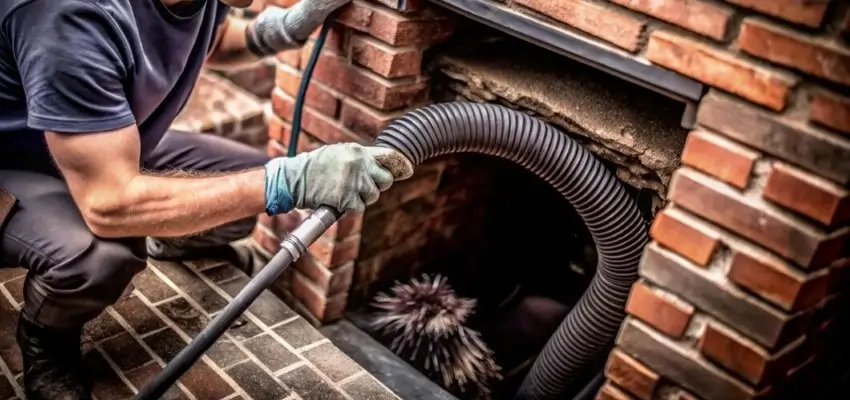
Chimney Cleaning that lifts soot and creosote in Langley
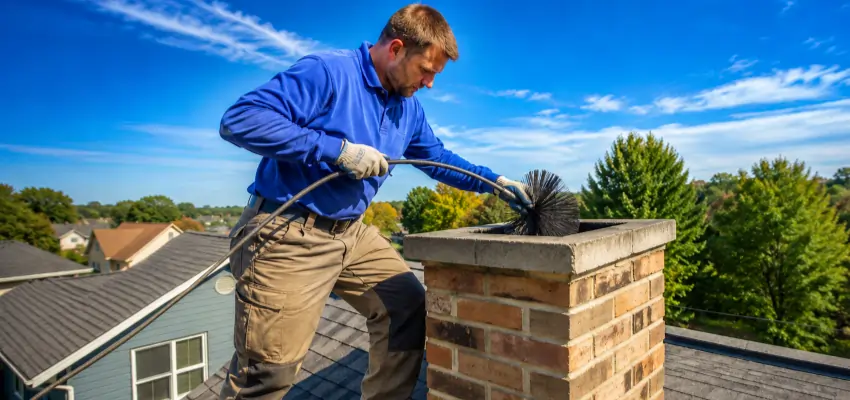
Careful Chimney Sweep for wood fireplaces and stoves in Langley
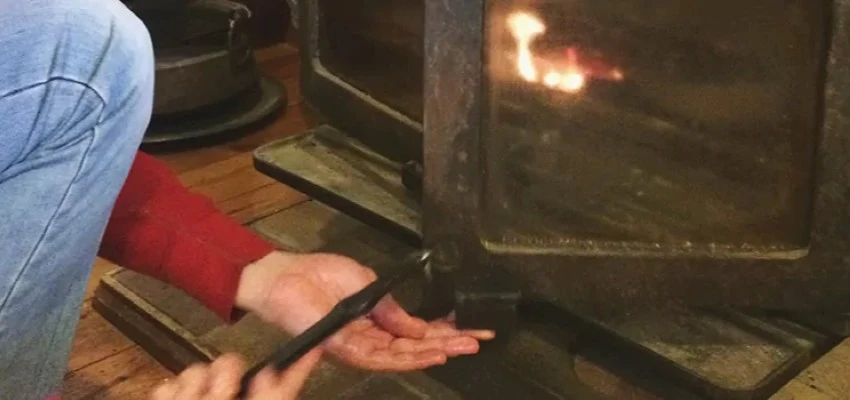
Flue brushing, damper checks, cleanup: Chimney Sweep Services in Langley
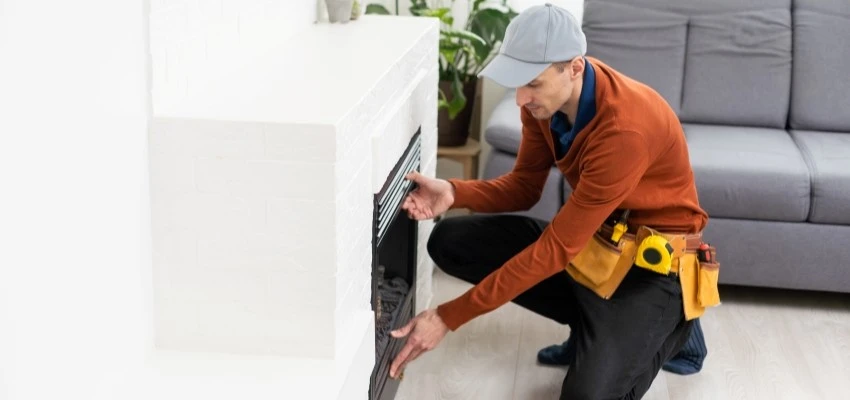
Ready for the season with Fireplace Experts in Langley
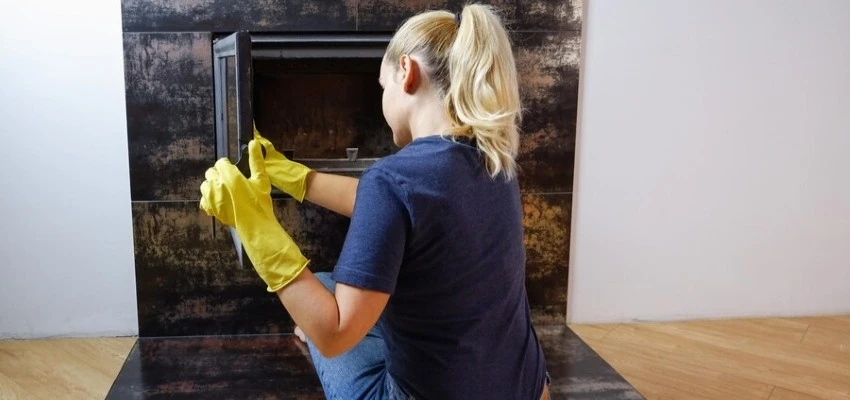
Logs lifted, embers reset: Gas Fireplace Cleaning near Langley
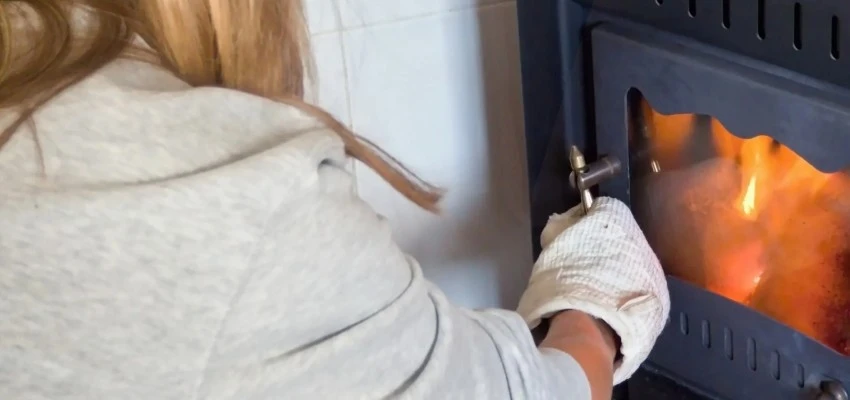
A record of every Gas Fireplace Maintenance visit

