
Not every chimney project is urgent, and not every one is optional. Some work protects the house from water or heat, while other work mostly improves the look of the roofline or the way the fireplace performs. If you typed “chimney flue services” into a search bar, this page helps sort one from the other, with straightforward answers about chimney flue service for houses in Langley and the reasons behind each recommendation.

A chimney flue is the passage inside the chimney that carries smoke and combustion gases from the fireplace, stove or furnace up and out of the house. In masonry chimneys it is usually lined with clay tiles or a metal liner; in factory-built systems it is an insulated metal pipe. The chimney is the whole structure, while the flue is the channel inside it, and one chimney may contain several flues serving different appliances. A flue must be the right size, sealed and clear to draw well and keep heat away from the framing of the house.
A flue should be sized to the appliance it serves, not to the chimney around it. Fireplaces need a flue large enough for their opening, while stoves, inserts and gas appliances usually specify a flue size in their installation instructions. A flue that is too large lets exhaust cool and slow down, which weakens draft and encourages creosote or condensation. One that is too small cannot carry all the exhaust and may let smoke spill into the room. People searching for “chimney flue services” after an appliance change should have the flue size checked against the new unit before it is used.
We will not quote serious chimney work without looking first, and that is a fair test of any company. From the roof we check the top of the stack, the crown, pots and caps, the flashing and the brick or siding. Inside we run a camera up the flue to see tiles, joints and any liner. At the bottom we look at the damper, smoke chamber and firebox. That full picture keeps us from selling a cosmetic fix for a structural problem, or the reverse. You end up with a plan built on evidence, which is also the easiest kind to compare against another quote.
A careful crew protects your home by covering the hearth and nearby floor, sealing the fireplace opening when soot or dust could escape and using vacuums with fine filters for any debris. Outside, tarps go over shrubs, decks and roof sections where tools or materials sit, and ladders are padded where they touch gutters or siding. Some jobs create very little mess, while others, such as removing old flue tiles, produce more. Ask what protection is planned for your job, and move valuables and furniture away from the fireplace before the crew arrives.
A camera inspection shows the inside of the flue from top to bottom, which is the only way to see most flue damage. The technician feeds a small camera on a flexible rod up or down the flue and watches the image on a screen, often recording it. The footage reveals cracked or missing tiles, gaps at the joints, creosote buildup, blockages such as nests and the condition of any metal liner. Many companies share the video or still images with you. If you are comparing offers for “chimney flue services”, ask whether a camera check is included before any repair is quoted.

The cost of chimney work depends on the scope, the materials, the height and pitch of the roof and the condition of what is already there. A short chimney on a gentle roof is simpler to reach than a tall one on a steep or three-story house. Materials range widely, from a repellent or standard pot to custom stainless parts, insulated liners or factory-built chimney kits. Hidden problems found once work begins, such as cracked tiles or rotted framing, add to the total. A written quote that lists each item lets you compare offers on equal terms.
Some chimney work can be done in almost any weather, but masonry, crown work and water repellents need mild, dry conditions. Mortar and concrete should not freeze while they cure, and coatings need dry brick to soak in properly, so those jobs are usually planned for spring through fall. Liner installation, pot fitting and some interior work are less sensitive, though roof access still depends on ice, wind and rain. Booking ahead of the cooler months gives the widest choice of dates. If the forecast turns, a careful company will reschedule rather than rush.
Anywhere from a short visit to several days, and we plan it around the size of the job, the access and the materials. A repellent on a dry, accessible chimney or a single pot swap is quick. A new liner or a prefab chimney through a finished ceiling and roof usually fills a day. A remodel that changes the height or face of a masonry chimney is measured in days, partly because new work has to cure before the next layer goes on. We also watch the forecast, since rain and frost decide when masonry and coatings can be done well.
Follow the crew’s instructions about when the fireplace or stove can be used again, since new mortar, coatings or liners may need time. In the weeks after, watch for any stains, drafts or smoke that seem new. Keep the area around the chimney top clear by trimming branches and cleaning nearby gutters. If you burn wood, use dry, seasoned firewood and have the flue swept regularly, which protects liners and tiles. Book a yearly inspection, and keep receipts and photos from the work so future technicians know what was done.

Sometimes the right call is a small fix, sometimes a bigger job and sometimes nothing at all. We tell you which one applies to your chimney and why. Ask Chimney Sweep Langley for advice and decide in your own time.
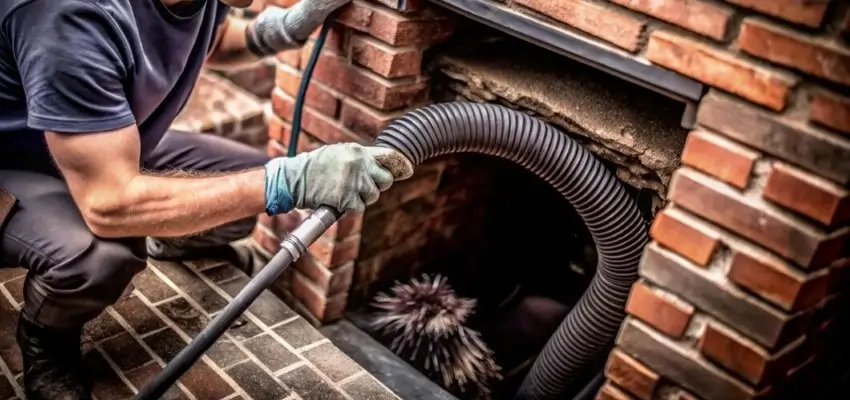
Chimney Cleaning that lifts soot and creosote in Langley

Careful Chimney Sweep for wood fireplaces and stoves in Langley
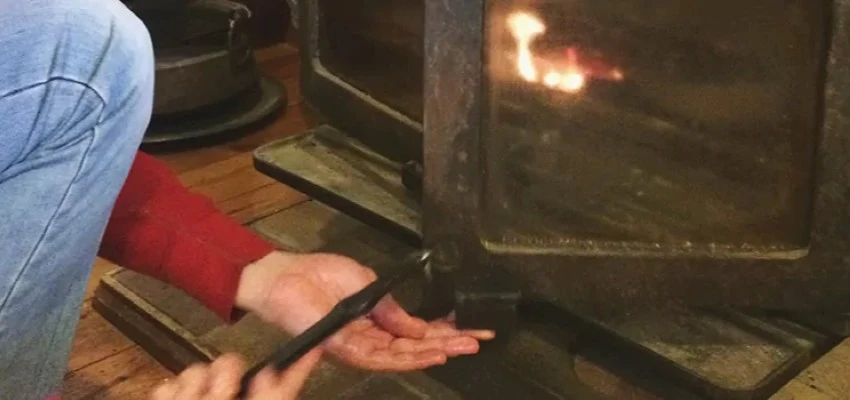
Flue brushing, damper checks, cleanup: Chimney Sweep Services in Langley
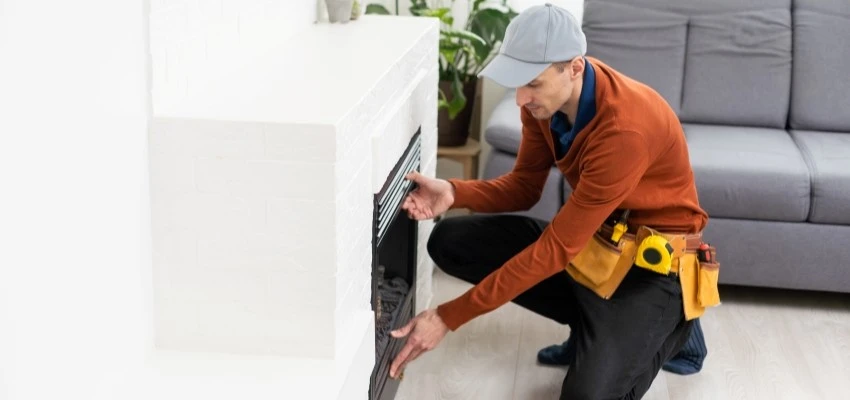
Ready for the season with Fireplace Experts in Langley
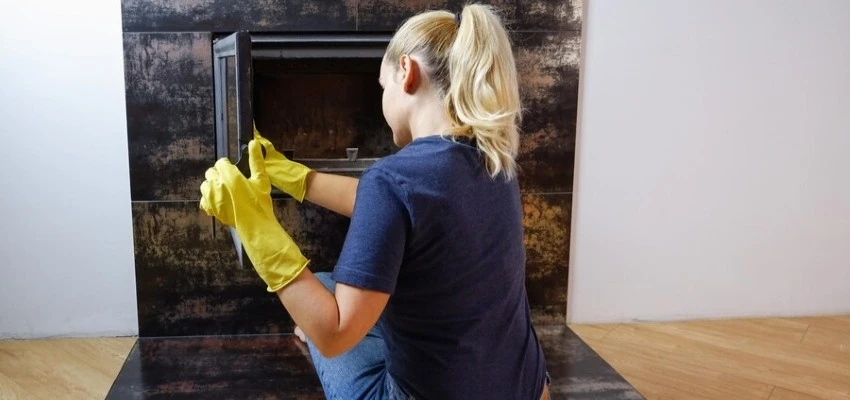
Logs lifted, embers reset: Gas Fireplace Cleaning near Langley
A record of every Gas Fireplace Maintenance visit

