
The first cool evening of the season is when many people remember the chimney and start wondering what state it is in. If you searched for “chimney odor removal”, you probably want clear facts before anyone climbs onto the roof. This page answers the questions owners around Langley ask most often about chimney odor control, in plain language and without scare tactics. Read the parts that match your situation, skip the rest and come away knowing what is normal, what deserves a closer look and what can safely wait.

Soot and creosote are different deposits: soot is a dry, powdery carbon dust, while creosote is a tarry residue from wood smoke that can be flaky, sticky or glassy. Soot comes from incomplete burning and can be left by wood, oil or a gas appliance that is not running cleanly. It is lighter and brushes away easily, but it still narrows the flue and can hold moisture and odors. Creosote is the bigger fire concern because of its oily base. Seen from the firebox, soot looks like fine black powder, while creosote looks crusty, shiny or tar-like. A technician adjusts the cleaning to match.
Smoke spills in when the draft is weaker than the push of the fire, and we usually trace it to one of a few causes. In tight, well-sealed houses, exhaust fans and dryers create enough suction that the chimney becomes an air intake instead of an exhaust. Short chimneys, nearby trees or a taller roofline beside the stack can disturb the airflow at the top. Inside the flue, heavy creosote, a nest or fallen debris narrows the path. Sometimes the fireplace opening is simply too large for the flue. Finding which one applies takes a look from both ends, and the fix ranges from a habit change to a repair.
A chimney often smells worse in summer because humid air dampens the creosote left from the heating season, and air drawn down the flue carries that sharp, smoky odor into the room. The downdraft happens when the house is under slight negative pressure, for example while exhaust fans, a range hood or a clothes dryer are running. Rain entering an uncapped chimney adds a musty note. Closing the damper and any glass doors helps, and a sweep in spring removes most of the deposits behind the smell. If the odor is rotten rather than smoky, an animal or nest may be in the flue.
Black flakes dropping from the damper, a sluggish fire and a campfire smell that hangs around are the signs we see most, and any owner can spot them. When we open a damper and a shower of debris comes down, the flue is overdue. A fire that sulks, needs constant coaxing or leaves a haze in the room tells us the draft is restricted somewhere. A sharp odor long after the last fire usually comes from deposits in the flue. We also ask about the calendar: if nobody remembers when the chimney was last swept, that alone is reason enough to book a look before the next fire.
The type of smell is a useful clue to its source. A sharp, smoky or asphalt-like odor usually comes from creosote, especially in humid weather. A damp, musty smell points to water getting into the chimney through the cap, crown or flashing. A rotten smell often means an animal or nest is in the flue. A smell of rotten eggs is different: it may be gas, so leave the building at once and call the gas utility from outside. Describing the smell when you ask about “chimney odor removal” helps the technician know where to start looking.

Most of the smell fades soon after the deposits are removed, often within a few days of normal ventilation. A faint odor can linger longer in old, porous brick or mortar that has absorbed creosote over many years, and it tends to show up again on very humid days. Closing the damper and running fewer exhaust fans speeds things up. If a strong smell is still there a couple of weeks after “chimney odor removal”, ask for a follow-up look, because a second source, such as water entry or debris on the smoke shelf, may still be present.
A standard chimney sweep usually takes about an hour to an hour and a half for a single flue. Expect more time if there are several flues, if a stove or insert has to be disconnected, if the roof is steep or high, or if the buildup is heavy or glazed. A camera inspection or a written report adds a little more. Plan to be available for the whole visit and for a short conversation at the end, when the technician explains what was found. If your day is tight, describe your setup when booking so the company can give you a realistic window.
The chimneys we find cleanest belong to owners who burn hot and dry. Creosote forms when smoke cools before it leaves the flue, so anything that keeps smoke hot and thin helps. Well-seasoned wood looks gray, has cracked ends and knocks hollow; heavy, fresh-looking logs hiss and smoke. Top-down fires, with kindling above the larger pieces, tend to burn cleanly from the start. Stove owners who run a brisk fire for a while each morning, rather than smoldering it all night, also see less buildup. A flue that stays lightly coated from one year to the next is the clearest proof the routine is working.
We fix chimney odors by finding the source first, because deodorizers on their own only mask a smell for a while. The usual order is a sweep, a check of the smoke chamber and smoke shelf for hidden debris, and a search for water entry at the cap, crown and flashing. Where creosote has soaked into old, porous masonry, we may suggest a deodorizing product made for chimneys after the cleaning. If the house keeps pulling air down the flue, a top-sealing damper that closes at the top of the chimney often makes the biggest difference. Most smells can be brought well under control once the cause is addressed.

Kids, pets and work schedules all matter when someone visits your home. Let us know what to work around and we will plan the appointment to match. Choose a time for chimney odor control anywhere in Langley.
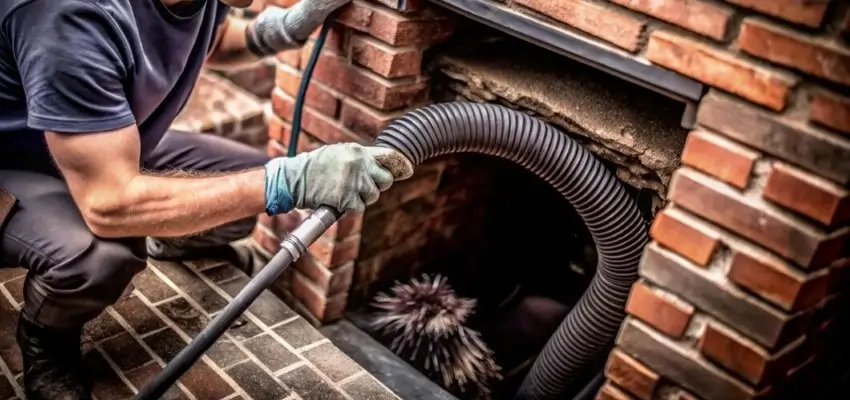
Chimney Cleaning that lifts soot and creosote in Langley
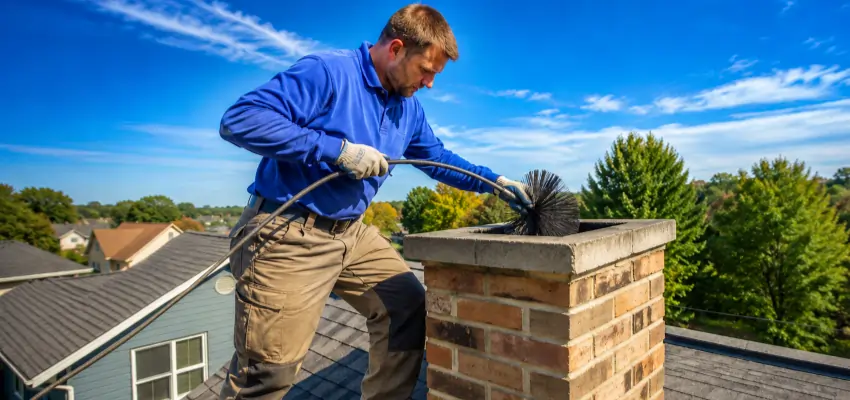
Careful Chimney Sweep for wood fireplaces and stoves in Langley
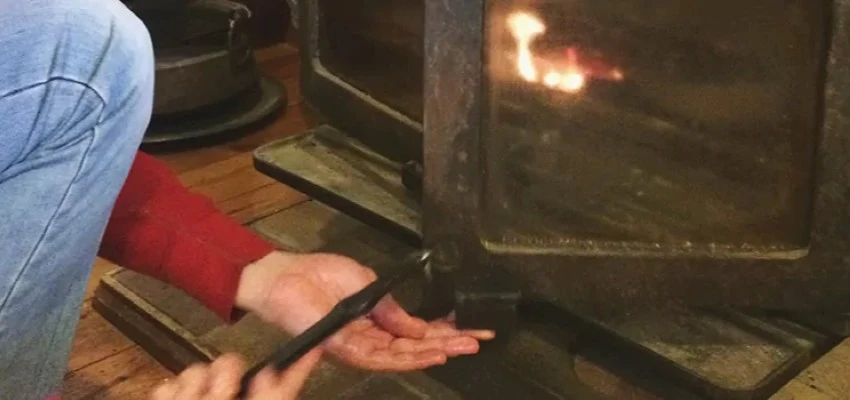
Flue brushing, damper checks, cleanup: Chimney Sweep Services in Langley
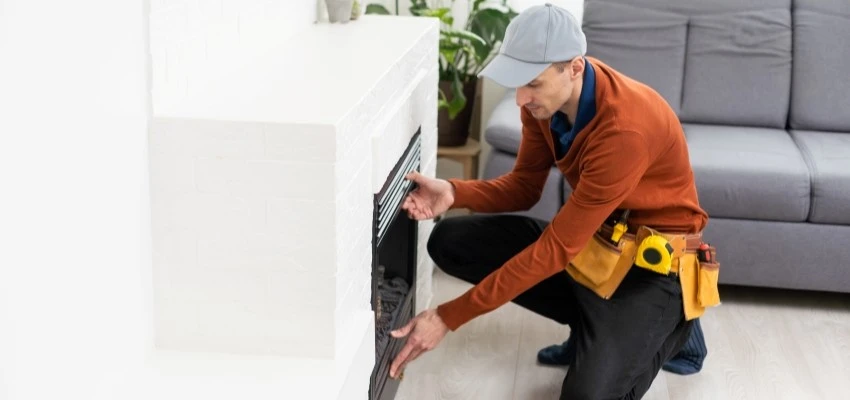
Ready for the season with Fireplace Experts in Langley
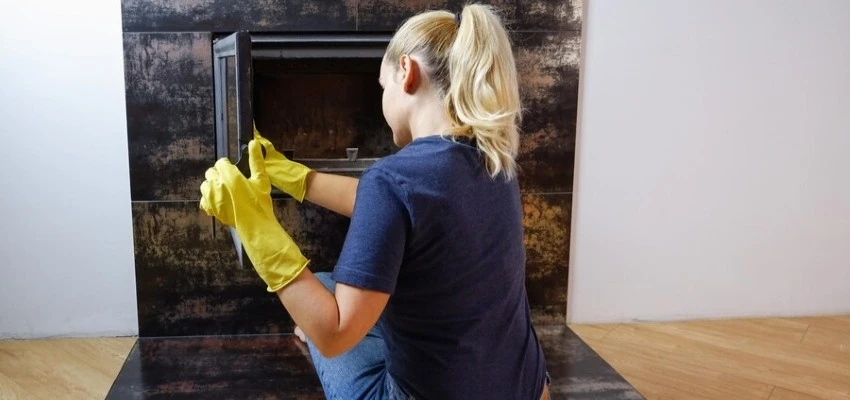
Logs lifted, embers reset: Gas Fireplace Cleaning near Langley
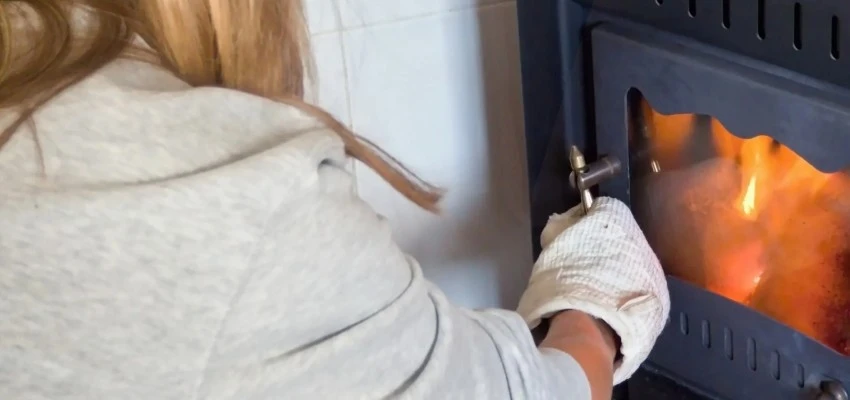
A record of every Gas Fireplace Maintenance visit

