
Houses change over time. Fireplaces get converted, rooms are added, roofs are replaced and old chimneys are left doing jobs they were never designed for. When that happens, a search for “chimney pot services” is a natural next step. Here you will find practical answers about chimney pot service for homes in Langley, written to help you weigh your options calmly before you commit to anything or anyone climbs a ladder.

A chimney is an engine that runs on temperature difference, and most of the problems we fix come from something upsetting it. Hot exhaust in the flue is lighter than the outdoor air, so it rises and draws combustion air into the firebox. A cold, oversized or leaky flue weakens that pull; a cap clogged with soot, a nest or a top that sits below a nearby roof peak can block or even reverse it. That is why we care about the height of the stack, the size and condition of the flue and whatever is sitting on top. Get those right, and smoke goes where it should.
Signs fall into three groups, and the second one is the most urgent. Water clues: stains, a musty smell after rain, bricks that stay dark long after a storm. Heat and smoke clues: draft that has weakened, smoke in the room, an odor in the walls beside the flue, a chimney fire you heard roar. Structural clues: a loose pot, cracked tiles dropping into the firebox, a top that looks out of line. Any of these is reason enough for a closer look, and with heat and smoke clues the appliance should stay cold until the chimney has been checked.
A chimney pot is installed by setting it over the flue, bedding it in mortar or a fitted base on the crown and securing it so wind cannot shift it. When an old pot is replaced, it is carefully removed first, along with any loose mortar, and the crown around it is checked and repaired if needed. The new pot is sized to the flue, set plumb and finished with a sloped mortar surround that sheds water. Tall pots may be strapped or anchored to the chimney. A cap or bird guard is usually added on top.
Often they are, especially on older homes where the pots are part of the original look. A sound clay pot with minor chips can usually be cleaned, reset in fresh mortar and fitted with a proper guard. Pots with deep cracks, spalled surfaces or missing sections are harder to save and may be safer to replace with a matching reproduction. Salvaged pots are another option for a close match. People who search for “chimney pot services” for an older home should ask whether restoring, matching or replacing makes more sense for each pot, and why.
Yes for some jobs and no for others, so we check the forecast before almost every one. Rain and frost are the big two: wet brick will not take a repellent, freezing nights spoil fresh mortar and icy shingles make roof work unsafe. Extreme heat can be a problem too, drying mortar too fast. That is why spring and fall are our busiest seasons for masonry and waterproofing. Liners and pots are more flexible and can often be fitted in cooler months on a dry day. If a weather window closes, we move the date, because a rushed job in poor conditions rarely holds up.

Usually, yes, as long as the chimney and flue are in good condition and the pot suits the appliance it will serve. The pot must match the flue size so it does not restrict draft, and its weight has to be carried by a sound crown or flue tile. Some homeowners add pots for the look, others to give a short chimney a little more height. A guard or cap made for the pot keeps animals and rain out. Before booking chimney pot service for a new pot, ask to see style options and how it will be secured against wind.
Start by letting the fireplace or stove go cold at least a day before, and clear the hearth of screens, tools, logs and decorations. Move furniture and rugs back a few feet. Outside, clear the area below the chimney of cars, planters, bikes and patio furniture, and unlock gates so ladders can come through. Let the company know about pets, alarms, skylights or solar panels near the chimney. If the job involves the attic, a closet or the basement, make sure those spaces are reachable. A few minutes of preparation saves time on the day.
Mostly no, and the reason is risk rather than complexity. Roof work at height, heavy pots, flue liners and anything involving venting or gas can hurt people or the house if done wrong. What we encourage is observation: photos of the chimney top after storms, a note of when the fireplace started smoking, a look at the firebox for fallen debris. Those notes make our visits faster and more accurate. Store-bought sealers are a common DIY mistake, since the wrong product can trap moisture and damage brick. Leave products and climbing to us, and keep your carbon monoxide alarms tested.
We would hire the company that asks the most useful questions. A contractor who knows chimneys wants to know the material, the height, the appliances and the history before naming a figure. On site, it should go up, look inside the flue and come back with photos. It should tell you what it will not do as clearly as what it will. Ask how it handles surprises mid-job and who will be on the roof. Companies that work in your area every week can also tell you what tends to fail on homes like yours, which is useful insight in itself.

A few details help us plan the right visit:
Send us your details and we will reply with next steps for chimney pot service in Langley.
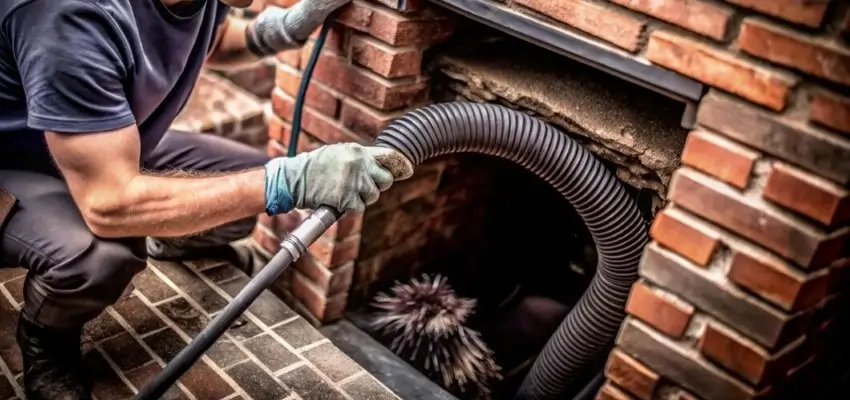
Chimney Cleaning that lifts soot and creosote in Langley
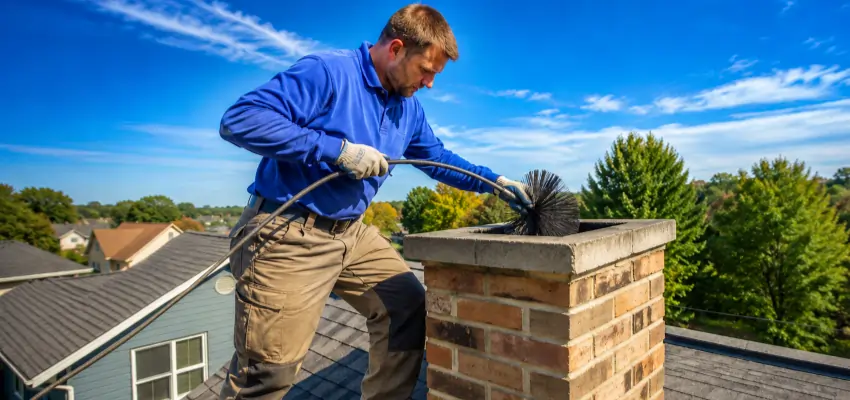
Careful Chimney Sweep for wood fireplaces and stoves in Langley
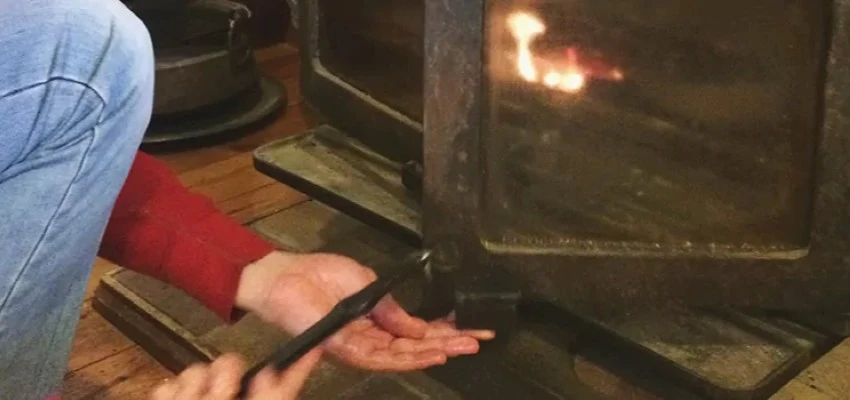
Flue brushing, damper checks, cleanup: Chimney Sweep Services in Langley
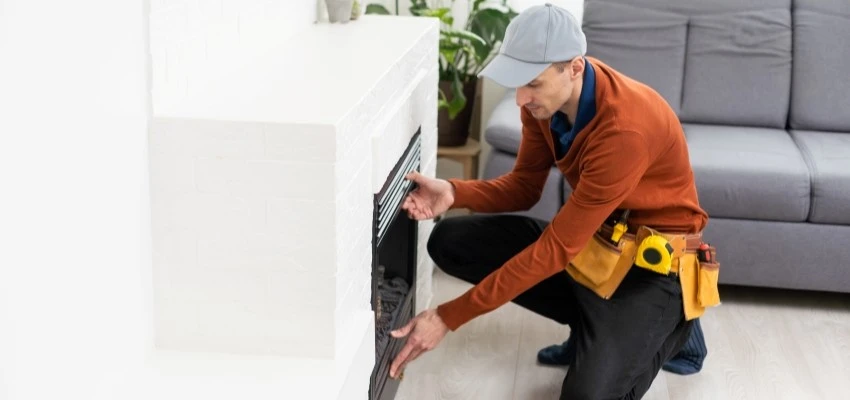
Ready for the season with Fireplace Experts in Langley
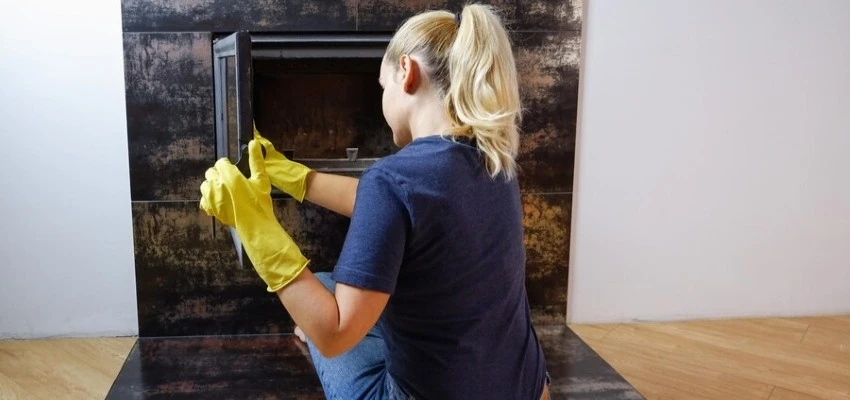
Logs lifted, embers reset: Gas Fireplace Cleaning near Langley
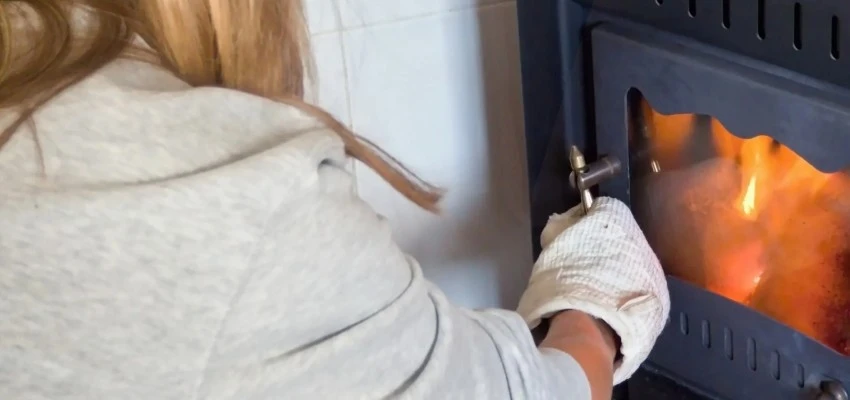
A record of every Gas Fireplace Maintenance visit

