
A chimney stands out in the open all year, taking rain, wind, sun and, in many places, hard freezes with no shelter at all. Sooner or later something on it needs attention, whether that is a loose cap, a tired mortar joint or a part inside the flue. If you searched for “chimney repair near me”, this page gathers the questions homeowners in Langley ask most often about chimney repair, answered plainly so you can judge what your own chimney needs and what can wait.

Most chimneys can be repaired, and a rebuild only makes sense when the structure itself is no longer sound. Repairs cover jobs like replacing damaged bricks, repointing worn mortar, building a new crown or resealing flashing. A partial or full rebuild comes into play when the chimney leans, when many bricks are crumbling at once, when mortar has failed deep inside the stack or when the top courses move by hand. The usual approach is to save whatever is solid and rebuild only the section that cannot be saved, which is often the part above the roofline.
We run repairs in a set order: confirm, protect, fix, test, explain. Confirming means checking the chimney ourselves rather than relying only on the phone description, because the cause of a leak or a stuck part is not always where it seems. Protecting covers drop cloths inside and care around shrubs and shingles outside. The repair itself depends on the part involved. Testing might mean running water over new flashing, cycling a damper several times or checking draft with a little smoke. We finish by walking you through what we did and showing photos of areas you cannot see from the ground.
A common guideline is to have a chimney inspected once a year, and many homeowners schedule it before the colder months when the fireplace sees more use. Yearly checks catch small problems such as a loosening cap, a new crack in the crown or a worn mortar joint before they let water in. It also makes sense to have the chimney looked at after a major storm, a chimney fire, a roof replacement or any change of insert, stove or appliance. Chimneys that are rarely used still need checking, because weather damages them whether or not you light fires.
The first visit is usually an inspection and estimate. The technician asks what you have noticed, looks at the fireplace and any stains inside, then checks the chimney from the roof or a ladder, often taking photos. If the problem is small, such as a loose cap, it may be fixed on the spot with your approval. Larger work is quoted in writing, with the materials, timing and any weather constraints explained. Expect the visit to take under an hour for a typical home, longer if the attic or a camera inspection of the flue is involved. Have your questions about chimney repair timing ready.
Mention what the chimney is made of, what it serves and what you have noticed, because a few details on the phone save a lot of time on the roof. We ask which appliances use the flue, how many stories the house has and how steep the roof is. We ask what you have seen: a stain, debris in the firebox, a stuck handle, a rattling cap, smoke in the room. We ask when it started and whether a roofer or another contractor worked nearby recently. Two quick phone snapshots, one of the chimney top from the yard and one of the problem area inside, often tell us which parts and ladders to bring on the first trip.

Mostly no: the useful homeowner jobs happen on the ground, not on the roof. Spotting problems early is genuinely valuable, whether that means snapping photos of the chimney top after storms, shining a flashlight at the damper or keeping an eye on the ceiling near the fireplace. Where DIY goes wrong is up top. We regularly undo store-bought sealants smeared over cracks, caps held on with a single screw and mortar patches that trap water. Liner work, flue repairs and gas appliance venting have safety consequences inside the home, so those belong with trained technicians from start to finish.
A local company is often the practical choice because it knows the housing styles, roof types and weather your chimney deals with. Builders in the same area often used similar chimney designs, so a nearby crew may already know where yours is likely to fail. Local service also makes it easier to schedule follow-up visits, check a repair after the first big storm or answer a question months later. Before booking, confirm the company works in your area with its own crew, and ask how it handles return visits if something needs adjusting.
Compare the scope first, because most differences we see between quotes come from what is included, not from skill. One company may plan to coat a cracked crown; another may rebuild it. One includes new flashing; another reseals the old metal. Before choosing, line the quotes up and ask each company the same three questions: what exactly is being fixed, what is causing the problem and what is the plan if more damage turns up. The answers usually explain the price gap. A quote that deals with the cause, not just the symptom, generally gives more value over time, even when it is not the lowest figure on the table.
Yes, and that is a common reason people call. Home inspectors often note a chimney concern, such as cracked mortar, missing flashing or no cap, and recommend a closer look by a chimney professional. A local company can inspect the specific items, explain which ones matter and provide a written quote that buyers and sellers can use in negotiations. Timelines during a sale are tight, so mention any deadlines when booking. If you searched for “chimney repair near me” with an inspection report in hand, send a copy ahead of the visit so the technician can focus on those notes.

It is easy to forget about the parts of a home you rarely see. Booking chimney repair now means one less thing to wonder about later in the year. Request a quote from Chimney Sweep Langley and choose a visit time that fits around your week.
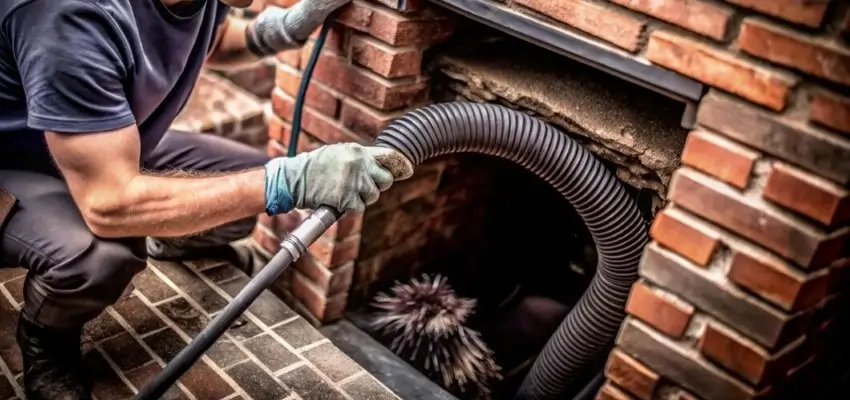
Chimney Cleaning that lifts soot and creosote in Langley
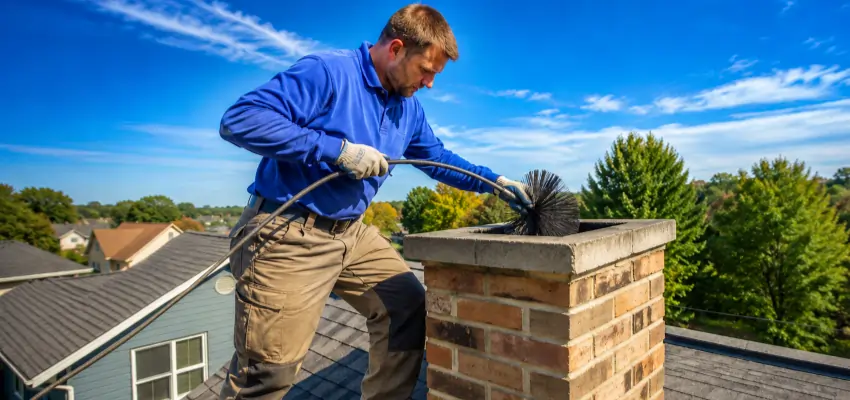
Careful Chimney Sweep for wood fireplaces and stoves in Langley
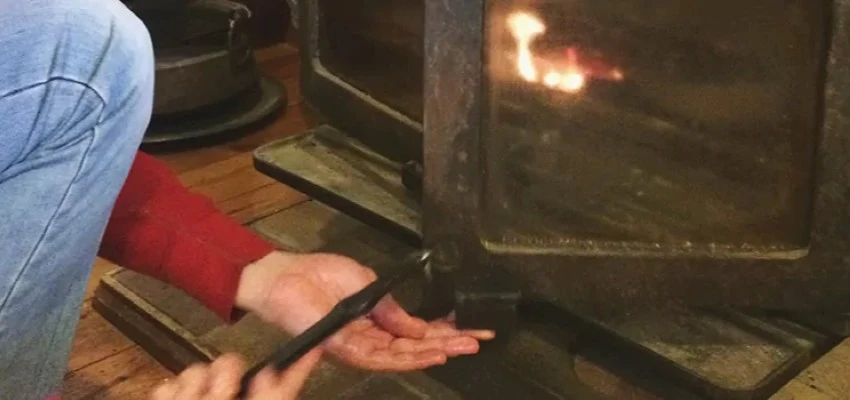
Flue brushing, damper checks, cleanup: Chimney Sweep Services in Langley
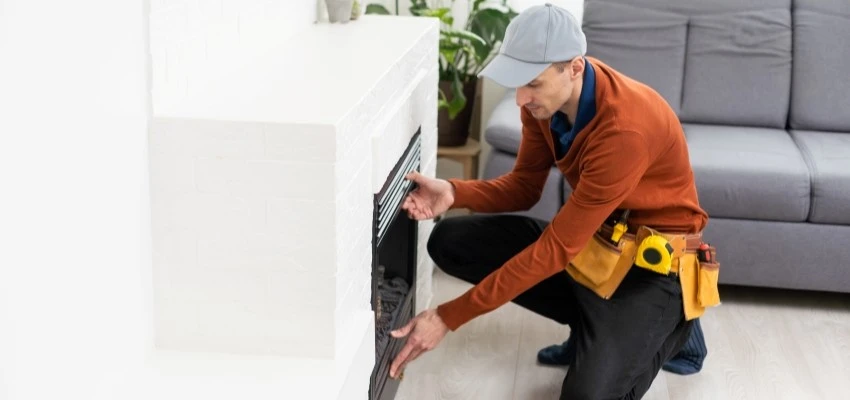
Ready for the season with Fireplace Experts in Langley
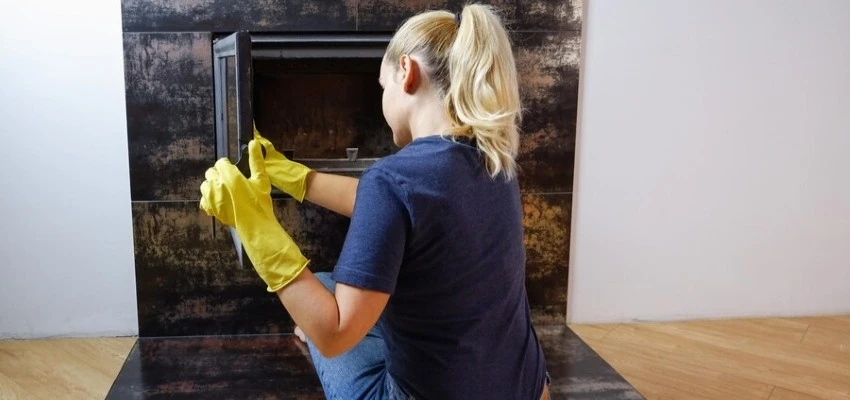
Logs lifted, embers reset: Gas Fireplace Cleaning near Langley
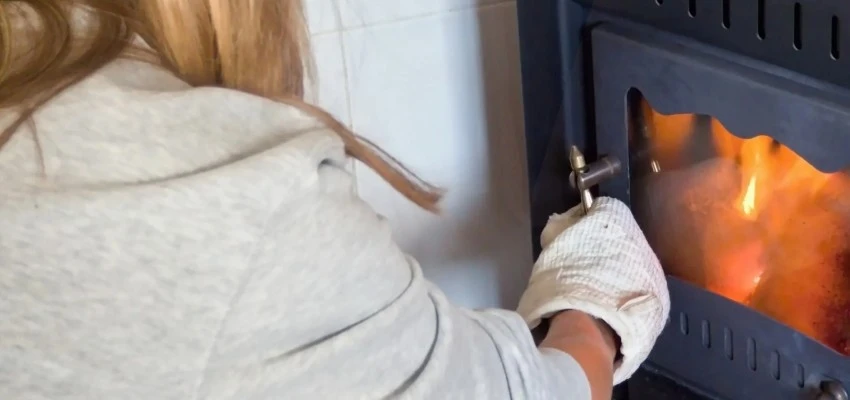
A record of every Gas Fireplace Maintenance visit

