
It is easy to think of a chimney as a fireplace accessory, but it is also part of the roof, the walls and the frame of the house. When one piece fails, water and heat can reach places they were never meant to go. For homeowners in Langley who typed “chimney restoration” into a search bar, the answers on this page explain chimney masonry restoration in everyday language, from the first warning signs to what happens once the work is done.

Tuckpointing is the repair of worn mortar joints between the bricks of a chimney. The old, crumbling mortar is raked or ground out to an even depth, and fresh mortar is packed into the joints in layers, then shaped so water runs off the face. Strictly speaking, the word once described a decorative technique using two mortar colors, but today most people use tuckpointing and repointing to mean the same job. The aim is to seal the joints again so rain cannot soak into the chimney, which keeps the bricks tight and protects the structure for many more years.
Repairs matter because chimneys tend to fail slowly at first and then expensively. We regularly open up a chimney where a minor issue, such as a missing cap or one cracked mortar joint, was left alone for a few seasons. By then, water has soaked the bricks, rusted the damper or softened the wood framing beside the stack. Work at that stage takes longer and uses far more material. Catching the same fault early usually means a short visit and a modest bill. There is a safety side too, because a damaged flue or liner can let heat and smoke escape where nobody expects them.
Repair usually targets one problem, such as a leak or a damaged cap, while restoration brings a worn chimney back to sound condition as a whole, often with attention to how it originally looked. A restoration project might combine repointing, brick replacement, a new crown, new flashing, a cap and work inside the flue in one plan. On older homes, it also means respecting details like corbelled brickwork, decorative caps or original mortar colors. If you are researching “chimney restoration”, expect an inspection first and a written scope that lists each part of the chimney and what will be done to it.
Your chimney is most likely leaking at the crown, the flashing, the cap or through porous brick, though the stain rarely appears where the water gets in. Rain that slips past a cracked crown may travel down inside the masonry and show up at the firebox. Flashing leaks tend to stain the ceiling or the attic framing next to the chimney. An uncapped flue lets rain fall straight onto the damper, where it causes rust and a damp smell. Porous brick can wick moisture through the whole stack during long storms. We often test one area at a time with a hose, starting low and working up, so the repair targets the real entry point rather than a guess.
A chimney needs tuckpointing when its mortar joints are cracked, recessed or crumbling. Look for joints that sit noticeably deeper than the brick face, sandy mortar that could be scratched out with a key, hairline cracks running along the joints and dark voids where mortar has fallen out. Grit collecting on the roof or in the gutter below the chimney is another clue. Binoculars from the ground or a photo taken from a safe window give you a good view without climbing. If more than a few scattered joints look this way, repointing is usually due.

Chimney bricks usually crumble because water gets into them and then freezes, evaporates or carries salts to the surface. In cold weather, trapped moisture expands as it freezes and pops off the face of the brick, which is called spalling. In milder climates, repeated wetting and drying and salt deposits slowly break down the surface instead. Mortar that is harder than the brick, often from an earlier repair, makes things worse because it forces the brick to take the stress. Crumbling bricks are a signal to find and stop the water source, not just to swap out the damaged units.
The aim is to change as little as possible while making the chimney sound. That starts with matching materials: softer, lime-based mortar for old soft brick, salvaged or carefully chosen replacement bricks and joint profiles copied from the original work. Decorative features such as corbels, banding or clay pots are repaired or rebuilt to the same pattern rather than simplified. Modern parts, like a stainless liner or a top-sealing damper, can usually be added without changing what you see from the street. Ask for photos of earlier chimney masonry restoration projects on homes of a similar age.
Well-done tuckpointing typically lasts many years, often decades, before the joints need attention again. How long it holds depends on the mortar mix, the quality of the work, the weather the chimney faces and whether the water problems above it were fixed. A chimney with a sound crown, a good cap and working flashing keeps its new mortar far longer than one where water still pours over the top. Sides that catch driving rain or repeated freezing wear faster. A yearly look at the joints lets you repoint small areas as they wear instead of redoing the whole chimney.
After a repair, the main job is to watch for changes and keep water and debris away from the chimney. Follow any instructions about when the fireplace can be used again, since new mortar or crown material may need time to cure. In the first few rains, check the ceiling and walls near the chimney for stains and look in the firebox for water or debris. Keep tree branches trimmed back from the chimney top and the gutters near it clear. Book a yearly inspection so small wear is caught early, and file the paperwork from the repair for future reference.

Use the short form to tell us what you need and when you are available. We confirm the details with you before anything is scheduled. Open the quote form and Chimney Sweep Langley will be in touch about chimney masonry restoration for your home.
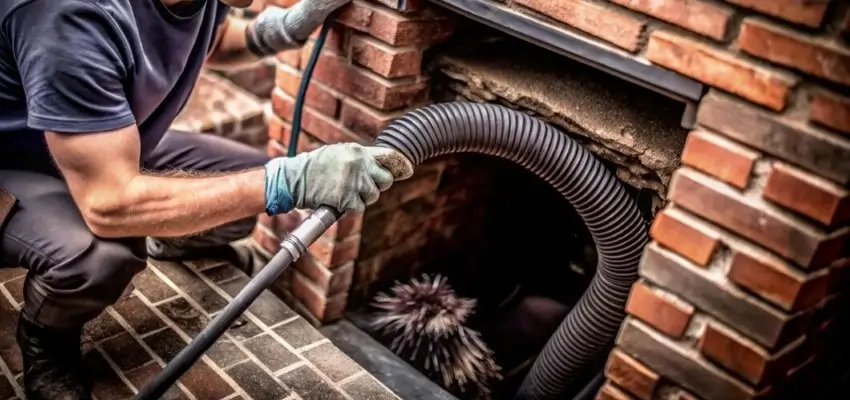
Chimney Cleaning that lifts soot and creosote in Langley

Careful Chimney Sweep for wood fireplaces and stoves in Langley
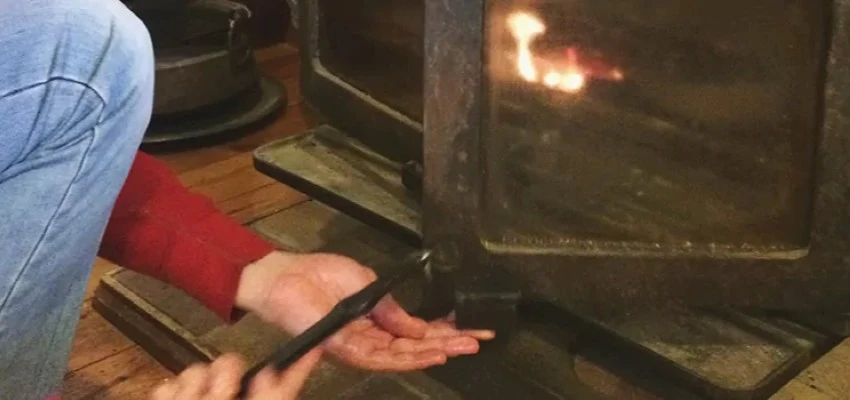
Flue brushing, damper checks, cleanup: Chimney Sweep Services in Langley
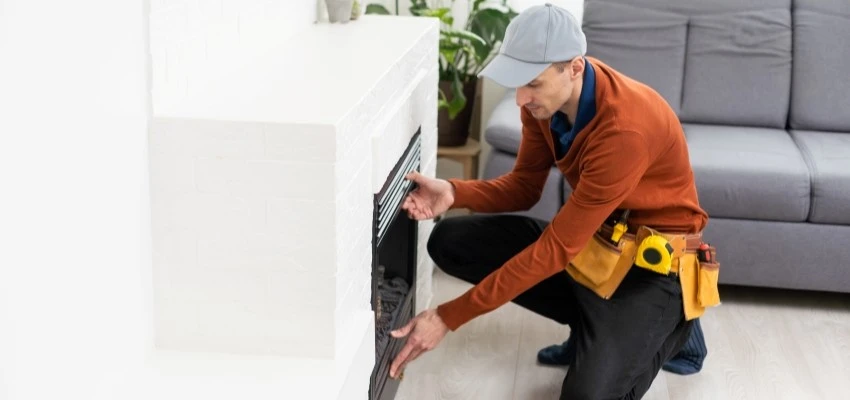
Ready for the season with Fireplace Experts in Langley
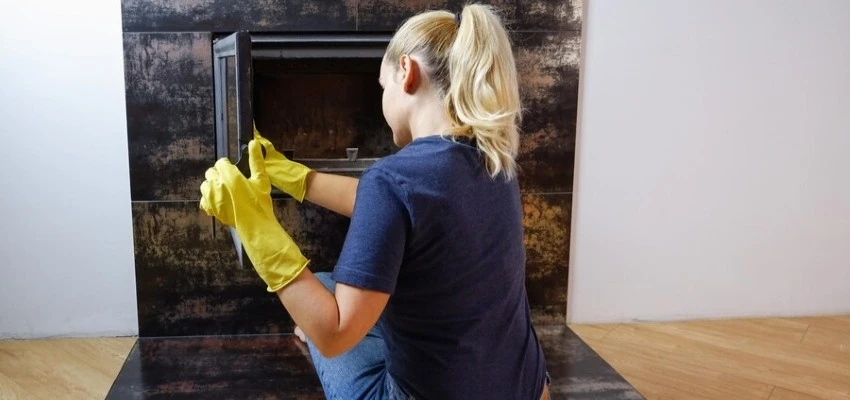
Logs lifted, embers reset: Gas Fireplace Cleaning near Langley
A record of every Gas Fireplace Maintenance visit

