
Maybe you just took over a property with a fireplace nobody explained to you. Maybe you have run the same stove for many winters and never thought much about the flue above it. Either way, looking up “chimney service company” means you are already asking the right questions. This page gathers what people in Langley usually want to know about chimney care, explained the way a technician would at your hearth.

The clearest sign a chimney needs sweeping is black, flaky buildup you can see on the damper or falling into the firebox. Other clues often show up alongside it:
Any one of these is worth a check. Two or three together usually mean the flue is overdue.
A camera earns its place on almost every visit, because the inside of a flue is the one part of a chimney nobody can see directly, and most serious problems start there. The camera head rides up on a rod with its own light, and the screen shows each joint and tile in turn. That is how we find the hairline crack two thirds of the way up, the liner section that slipped after a storm, or creosote packed above a bend in a stovepipe. Recording it matters too: when we recommend a repair, the footage lets the owner see exactly what we saw rather than taking our word for it.
We tell most owners to plan on a yearly visit and let the findings set the sweeping schedule. If we pull out a heavy load after one season, the chimney should be checked sooner next time; if the flue is lightly coated, stretching the interval is reasonable. Fuel and habits matter more than the calendar. Dry hardwood burned hot leaves far less behind than damp wood or a stove turned down overnight, and inserts and stoves often need attention more often than open fireplaces. Keeping a note of each visit and what came out makes the right rhythm for your chimney easy to see.
From the scheduling side, spring and summer give owners the most choice and give us time to handle repairs before the cold arrives. A flue swept right after the last fire of the season also smells better through the muggy months. The rush starts with the first chilly week of fall, and calendars around Langley fill quickly from there. For businesses with fireplaces or ovens, quieter stretches of their year are usually easier for access as well. We sweep in every season, though. The right time is whenever a problem shows up, and otherwise a fixed month you will remember each year.
Preparing for a chimney visit mostly means letting the fireplace or stove cool and clearing space around it. Skip fires for at least a day beforehand so the ashes and flue are cold. Move furniture, rugs, screens and decorations a few feet back from the hearth, and take fragile items off the mantel. Outside, make sure the technician can reach the roof: unlock gates, move vehicles away from the walls where a ladder may go and keep pets indoors. Note anything unusual you have noticed, such as smells, sounds or smoke, and have the date of the last cleaning handy if you know it.

Tell us what burns in the chimney, what kind of appliance it serves, how tall the building is and what made you call, because those details save guesswork later. Wood, gas or both? A fireplace, an insert or a freestanding stove? Is the roof steep, tiled or metal? Have you had any trouble, like smoke in the room or scratching noises? Has anything changed recently, such as a new appliance or a renovation near the chimney? Those answers tell us whether to bring extra rods, roof gear or a camera, and how much time to reserve. We work around Langley every week, so a good description helps us plan your slot.
A local company brings knowledge a visiting crew would have to guess at, and that is the main reason to hire one. Working the same area season after season, we learn which streets have older brick chimneys with clay liners, which developments used factory-built metal flues and where storms tend to loosen caps. We also know local burning habits and when the fall rush begins. That makes quotes more accurate and visits shorter. When you call around Langley, ask where the crew is based and whether the same technician can come back for a follow-up.
Before anyone climbs the roof, you should have a written description of the work, the price and what that price includes. That means the number of flues, whether an inspection or camera scan is part of it, how debris and soot will be contained and removed and what happens if extra problems turn up. For repairs, the materials and the expected timeline belong in writing too. Any business that turns up when you search for “chimney service company” should be comfortable providing all of this by email, and it should explain any item you do not understand before asking you to agree.
Line the quotes up and compare what each one actually covers rather than the totals alone. Check whether both include every flue, the smoke chamber and firebox, an inspection, photos and a written report. For repair quotes, compare materials, the extent of the work and how long it should last. A noticeably lower price may leave out something the other includes, while a much higher one may cover extra work you were not told about. Ask each company the same questions in writing. The clearer answers usually point to the better fit for your chimney care needs.

A proper look at your chimney means one less worry for everyone under your roof. We explain what we checked and what we recommend, step by step, in plain words. Call (778) 909-9614 to book chimney care in Langley.
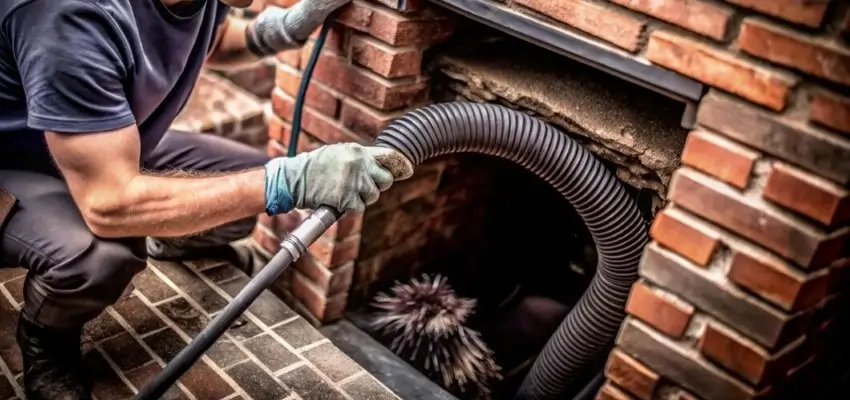
Chimney Cleaning that lifts soot and creosote in Langley
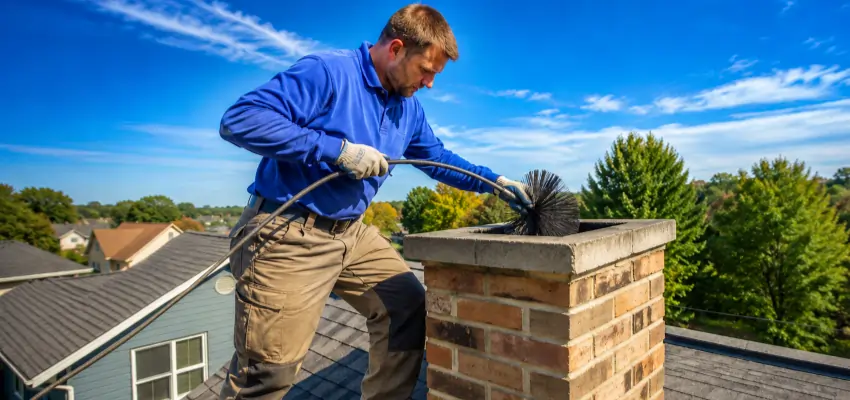
Careful Chimney Sweep for wood fireplaces and stoves in Langley
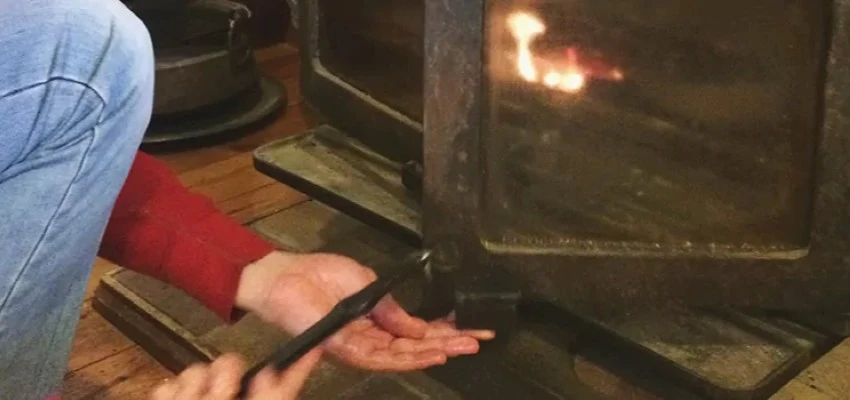
Flue brushing, damper checks, cleanup: Chimney Sweep Services in Langley
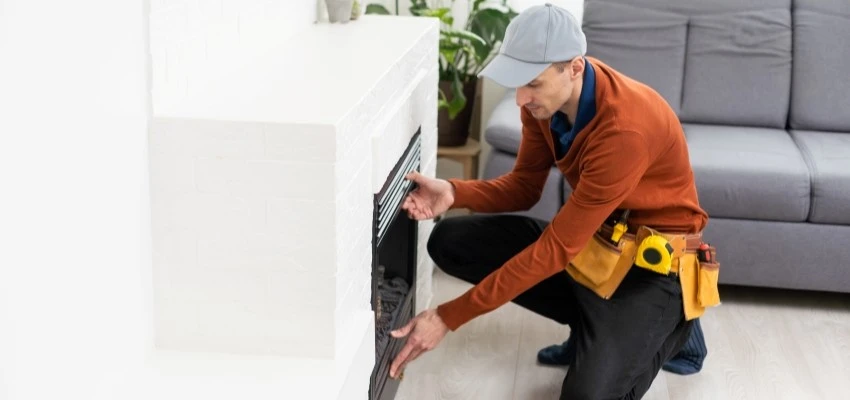
Ready for the season with Fireplace Experts in Langley
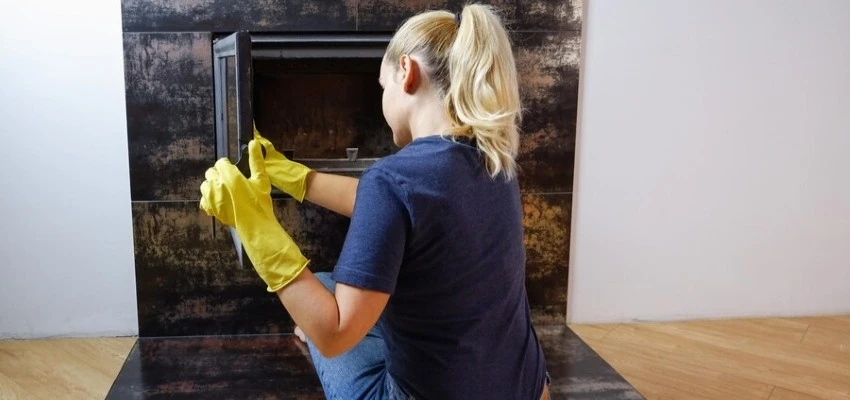
Logs lifted, embers reset: Gas Fireplace Cleaning near Langley
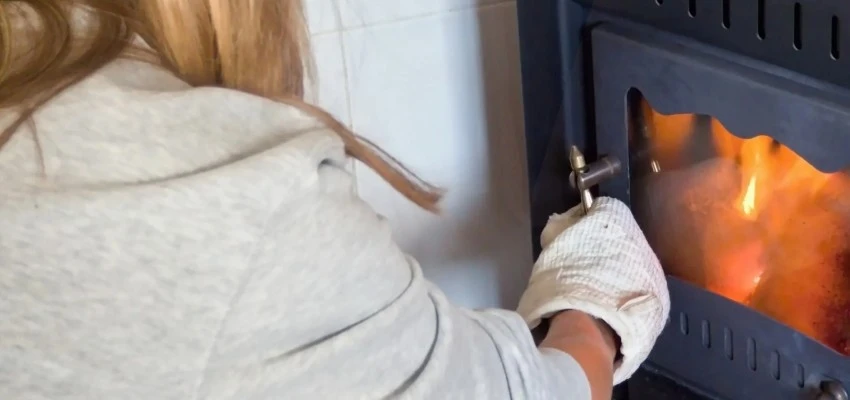
A record of every Gas Fireplace Maintenance visit

