
Looking after a chimney comes down to a few ideas that are easy to grasp once someone lays them out. Every answer below leads with the point and then gives the reasoning, so you can read one or all of them. It is written for anyone in Langley who arrived after searching “chimney sweep near me” and wants to understand chimney sweeping well enough to ask good questions and spot a vague answer.

Creosote is the residue that forms when wood smoke cools on its way up the chimney and its tars, gases and moisture condense on the flue walls, and it is dangerous because it burns easily and very hot. A thick layer can catch from a stray spark or an unusually hot fire, and the resulting chimney fire can crack liners and push heat toward nearby framing. Creosote builds faster with damp wood, smoldering fires and chimneys on cold outside walls. It may look like black flakes, a sticky tar or a hard, shiny glaze. If you see any of these on the damper or around the firebox, book a sweep.
The clearest sign a chimney needs sweeping is black, flaky buildup you can see on the damper or falling into the firebox. Other clues often show up alongside it:
Any one of these is worth a check. Two or three together usually mean the flue is overdue.
During a chimney sweep, the technician scrubs the inside of the flue from top to bottom and removes the loosened buildup without spreading it through the room. A typical visit starts with drop cloths around the hearth and a powerful vacuum set up at the fireplace or stove opening. Brushes sized to the flue are run through on flexible rods, from below, from the roof or both. The smoke chamber, damper and firebox are cleaned as well. Most sweeps finish by checking the cap and the visible parts of the chimney and telling you what they saw, including anything that needs attention later.
Hardened, glazed creosote is usually removed with rotary tools that scrape the flue wall, with chemical products that soften it over several fires, or with both, because an ordinary brush simply slides over its glassy surface. It forms when cool, smoky fires leave layer after layer of tar that bakes hard. Removal often takes more than one visit, and you may be asked to burn a few fires after a chemical application before the technician returns to finish. Sometimes the glaze is so thick, or the liner so damaged beneath it, that replacing the liner is the more sensible option. Ask for photos before and after.
Booking a few weeks ahead is usually enough in spring and summer, while early fall can fill calendars much further out. If you plan to light your first fire on a particular weekend, count backward and leave room for any repair the visit might uncover. Ask whether the company keeps a cancellation list if you need an earlier slot. When your search for “chimney sweep near me” is prompted by smoke in the room or an animal in the flue, say so on the call and stop using the fireplace until someone has looked.

Describe the appliance, the building and what prompted the call, because those three details decide which tools and how much time the visit needs. Say whether it is an open fireplace, an insert, a wood stove or a gas appliance, how many flues the chimney has and roughly how tall the building is. Mention the roof type and anything that makes access tricky, such as a steep pitch or a locked gate. Add when the chimney was last swept, if you know, and anything unusual: smells, smoke, sounds, water stains or an animal. A photo of the chimney top helps too.
Most local companies are happy to return for a quick look if something does not seem right, and being close by makes that easy. Typical reasons include smoke during the first fire after cleaning, a cap that rattles in the wind or a smell that lingers longer than expected. Ask about the company’s follow-up policy when you book, including whether a return visit carries a charge. Note what you noticed and when, and send a photo if it helps. A sweep who works around Langley regularly can usually fit a short check into an existing route.
If the sweep finds damage, ask to see it, ask what it means for safety and get a written quote before you agree to anything, since a sound recommendation can always be shown and explained. Photos or camera footage should make the problem clear. Ask whether the fireplace or stove can be used in the meantime, and which repairs are urgent and which can be planned. Common findings include a cracked crown, loose flashing, a rusted damper, a missing cap or cracked flue tiles. For larger jobs, such as relining, a second opinion is reasonable. Avoid deciding under pressure on the doorstep.
Look for a company whose technicians explain what they are doing as they do it; in our experience, that habit says more than any advertisement. Good chimney work is mostly visible only to the person on the roof, so the way a company shares photos, measurements and findings is your window into its standards. Ask how it protects floors and furniture, whether a camera check is included and who will actually come. Notice whether it separates urgent issues from ones that can wait. How a company handles your first phone call tends to match how it will handle your chimney.

We protect the work area, clean up before we leave and tell you what we found in words that make sense. You end the visit knowing the state of your chimney. Book chimney sweeping with Chimney Sweep Langley when it suits you.
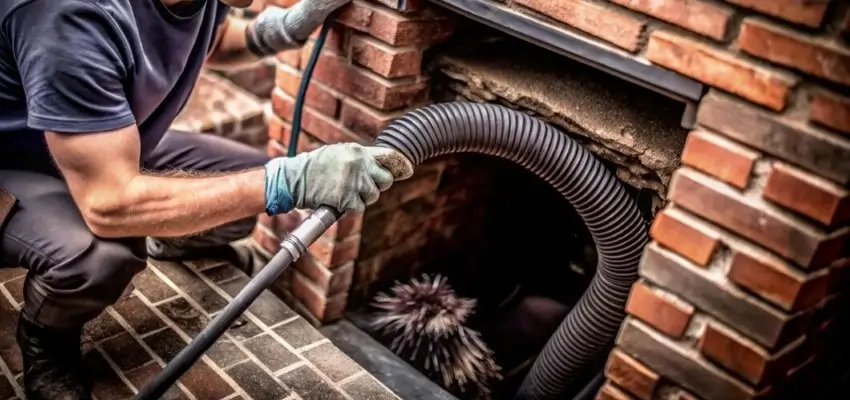
Chimney Cleaning that lifts soot and creosote in Langley
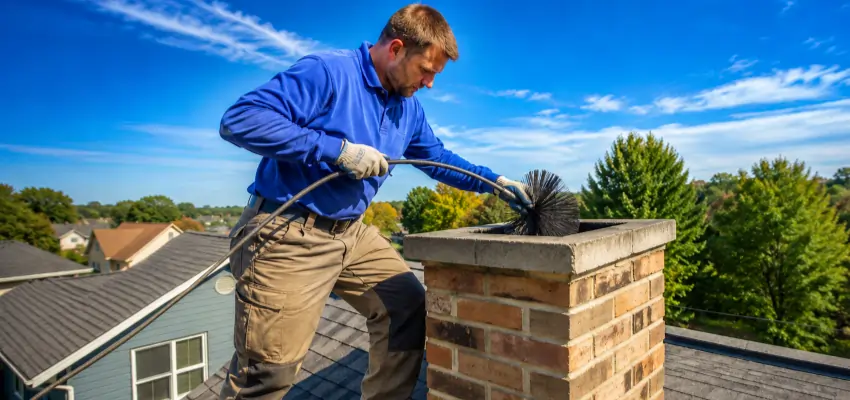
Careful Chimney Sweep for wood fireplaces and stoves in Langley
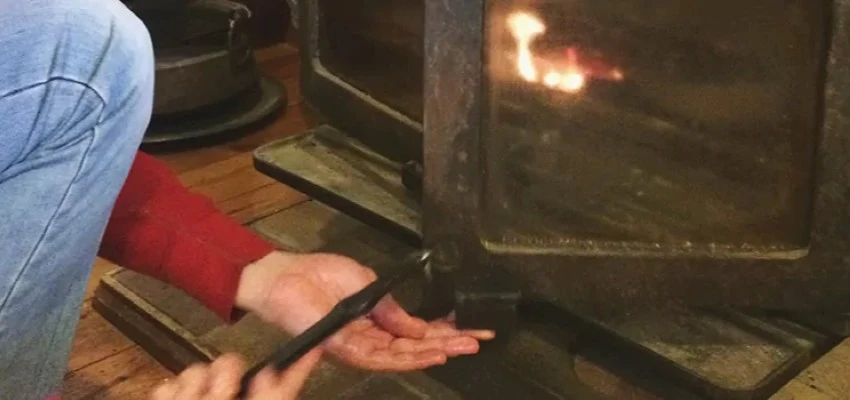
Flue brushing, damper checks, cleanup: Chimney Sweep Services in Langley
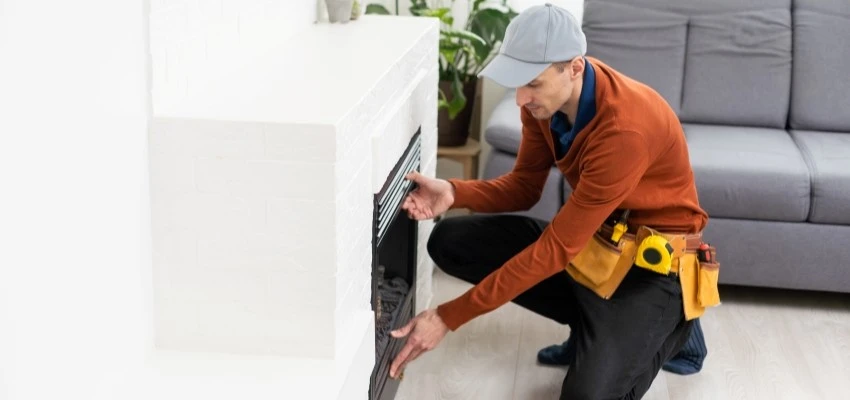
Ready for the season with Fireplace Experts in Langley
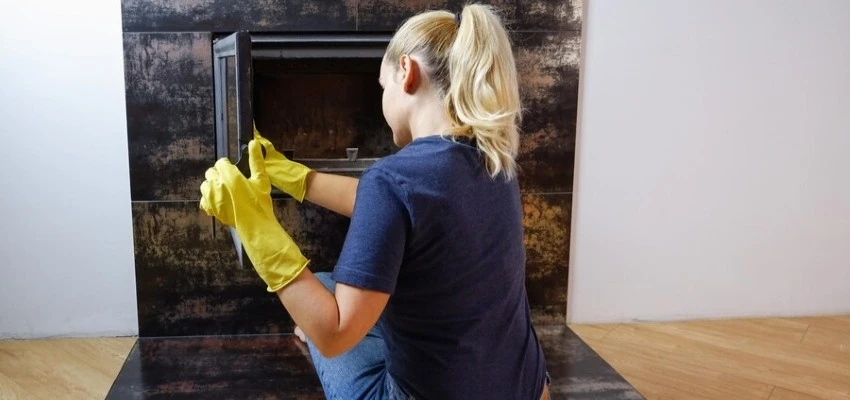
Logs lifted, embers reset: Gas Fireplace Cleaning near Langley
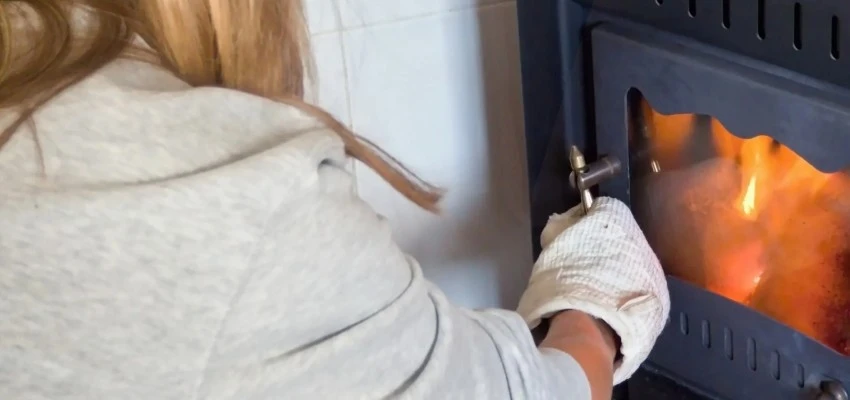
A record of every Gas Fireplace Maintenance visit

