
Chimney work is one of those services where it pays to understand the basics before anyone quotes you a price. A little background makes every conversation with a technician easier and every recommendation easier to weigh. This page offers that background for readers in Langley who searched for “chimney sweep”, with plain explanations of chimney cleaning and the reasoning behind the advice you are likely to hear.

Creosote is condensed wood smoke, and its flammability is the main reason chimney sweeping exists. Smoke carries unburned particles and vapor, and when it meets a cooler surface those compounds stick. We find the heaviest deposits where gases slow down or lose heat quickly: the smoke chamber just above the damper, the bends in a stovepipe and the upper section of chimneys built on an exterior wall. That residue is fuel sitting inside a passage built to carry fire, so a spark or an overloaded firebox can ignite it. That is why we gauge its thickness on every visit and explain what it means for you.
Signs of a chimney fire include a loud roaring or popping sound, dense smoke, a strong hot smell and sparks or flames from the top of the chimney, but many chimney fires burn quietly and are only discovered later. Afterward you might notice puffy, honeycomb-like flakes of creosote on the roof or ground, a warped damper or cap, cracked flue tiles or discolored metal. If you think a fire is happening, get everyone outside and call the fire department. If you suspect one happened in the past, stop using the fireplace or stove until the chimney has been inspected.
The kit is more varied than most people expect. Flexible rods join together to reach the full height of the flue, with brushes in wire or poly to suit clay tile or stainless steel. Rotary systems spin cleaning heads for stubborn deposits. A strong vacuum with fine filtration keeps soot out of the room, and drop cloths protect the floor. For checking condition, sweeps carry flashlights, mirrors and often a camera on a cable. Ladders, roof anchors and harnesses round it out. When a search for “chimney sweep” leads you to a company, ask what each tool is for; a well-equipped crew can explain it in a sentence.
A chimney camera is worth using because it shows the full length of the flue, where cracks, gaps and hidden buildup sit far beyond the reach of a flashlight. From the bottom or top you can see only a few feet in; the camera travels the whole way on a flexible rod and records what it finds. It can reveal broken or shifted tiles, missing mortar between sections, damage from an old chimney fire, separated metal joints and obstructions partway up. Ask to see the footage or still images. They make a recommendation much easier to understand and to compare if you want a second opinion.
About an hour covers a typical single flue; when a visit runs longer, the chimney is almost always the reason. Laying drop cloths, setting up the vacuum, sweeping, cleaning the smoke chamber and packing up form the core. A wood stove or insert adds time because pipes and baffles come apart. Steep or slippery roofs slow everything down, since roof safety is not something we rush. Heavy creosote or a camera inspection add more. When we book, a few questions about the appliance and the roof let us give you an arrival time and an honest estimate of how long we will need.

A common guideline is to have a chimney inspected once a year and swept whenever that inspection finds meaningful buildup, which for a fireplace or stove used regularly usually means about once a year. Heavy users, such as households heating mainly with wood, may need sweeping more than once per season. A fireplace lit only a few times each winter may go longer between sweeps, yet it still benefits from the yearly look, because nests, water damage and cracks have nothing to do with how often you burn. Many sweeps regard about an eighth of an inch of buildup as the point where cleaning is due.
Not always. Many flues can be swept from below, with rods pushed up from the fireplace or stove while a vacuum captures the debris at the opening. Roof access is still common, though, because it lets the technician inspect the cap, crown and flashing, clean the top section properly and clear anything wedged under the cap. Steep, icy or very high roofs may be handled from below on the day, with the roof check rescheduled. If you have concerns about roof access, raise them when you book chimney cleaning so the plan suits your home and the weather.
We recommend CO alarms on every floor of every home we work in, including one near the bedrooms, because a chimney is a safety system and alarms are its backup. Even a well-swept flue can be blocked overnight by a nest or a fallen tile, and a fireplace can spill fumes when exhaust fans pull against it. We also suggest a smoke alarm in or near the room with the fireplace or stove, placed as its maker directs rather than right above the hearth, and a fire extinguisher within reach. If your alarms are older than anyone can remember, replacing them is a small job with a large payoff.
Some owners do sweep their own chimneys, but we see enough DIY mishaps to suggest leaving the flue to a professional. Wire brushes can scratch stainless steel liners, and rods pushed from below without a vacuum spread soot through the room. Falls from roofs are a real risk. Sweeping logs can make loose creosote flakier so it drops more easily, which helps between visits, yet the debris still has to come out and the flue still needs a look. The parts we encourage owners to handle are good burning habits and visual checks; cleaning and inspecting are where trained eyes and proper tools pay off.

Sometimes the most useful thing is simply knowing whether there is a problem at all. A visit from Chimney Sweep Langley gives you that answer, along with practical advice for keeping things in order. Call (778) 909-9614 to set one up.
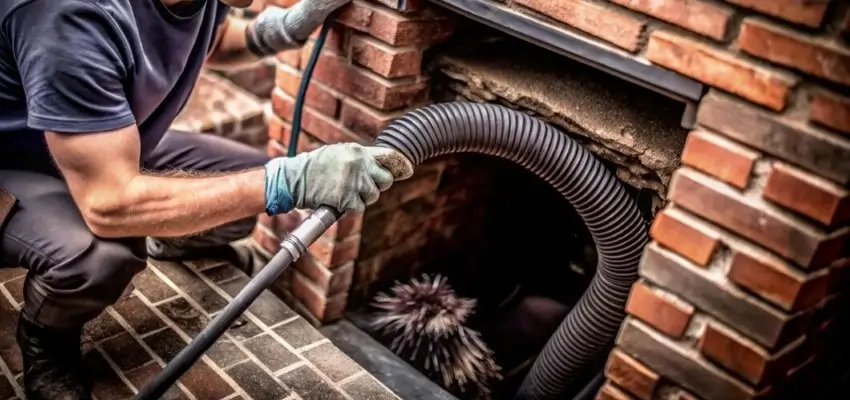
Chimney Cleaning that lifts soot and creosote in Langley
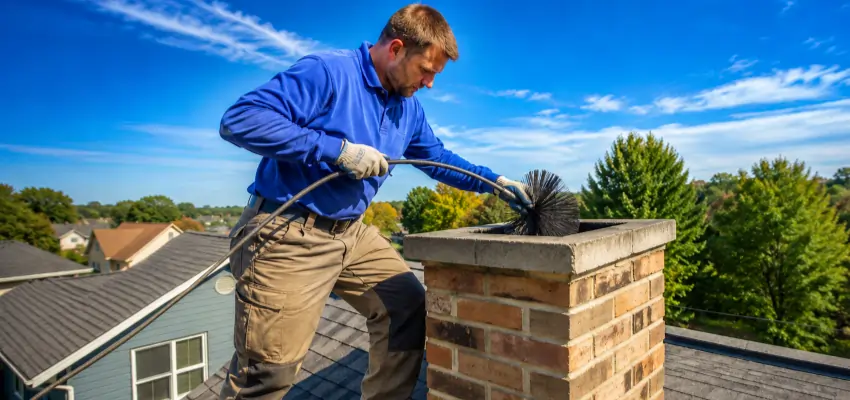
Careful Chimney Sweep for wood fireplaces and stoves in Langley
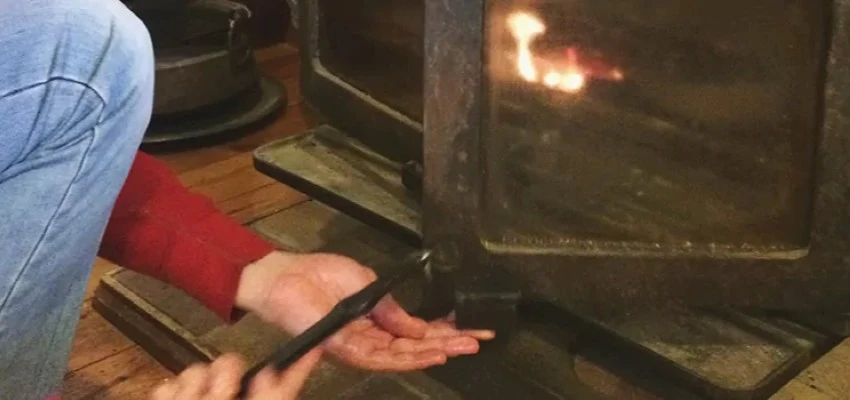
Flue brushing, damper checks, cleanup: Chimney Sweep Services in Langley
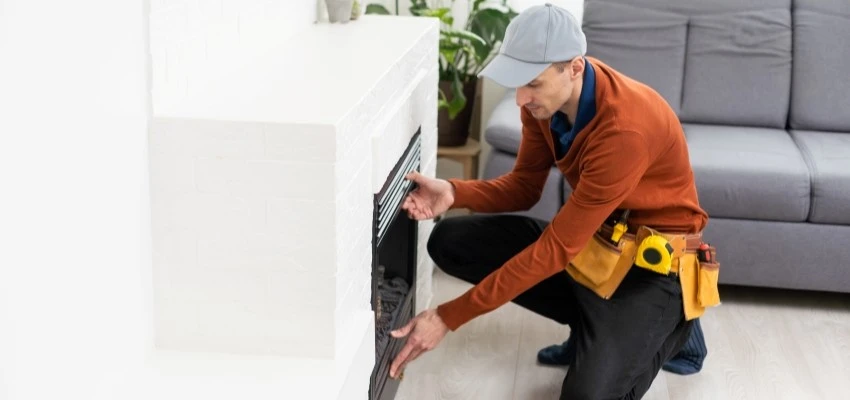
Ready for the season with Fireplace Experts in Langley
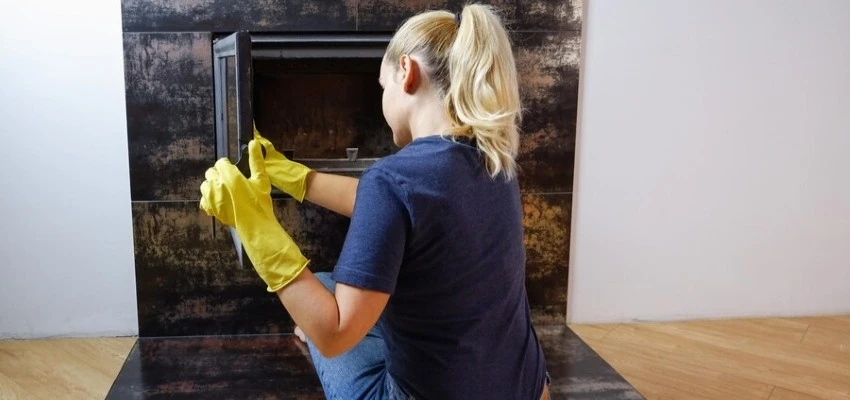
Logs lifted, embers reset: Gas Fireplace Cleaning near Langley
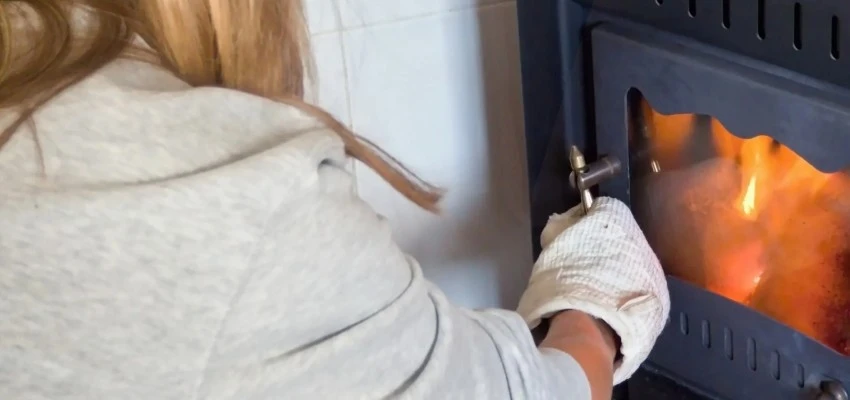
A record of every Gas Fireplace Maintenance visit

