
Heating season has a way of arriving all at once, and so do the calls to chimney companies. Reading up early, as you are doing by searching “commercial chimney services”, gives you time to plan instead of scramble. Here are clear, practical answers about commercial chimney care for properties around Langley, each one short enough to read before you pick up the phone and specific enough to be useful once you do.

From our side, commercial work covers the same kinds of flues we see in homes plus several that only businesses have: pizza and bread ovens that burn wood, banks of fireplaces in a lodge and boiler stacks heating a whole building. What changes is scale and record keeping. A building may have a dozen flues that need labeling so each one is tracked separately, and managers usually want photos and dated reports for their files. Access takes more planning as well, since a commercial roof can involve hatches, parapets or heights a house never does. The core job is still clearing deposits and checking condition.
Usually yes, even though the units are homes. A building with many fireplaces, a shared boiler stack or several stacked flues is managed more like a commercial property: the board or property manager arranges the work, access runs through common areas and the roof, and every flue needs its own record. Scheduling also has to respect residents. Owners in these buildings should check whether their fireplace is cleaned under a building-wide contract before booking privately. Managers looking at “commercial chimney services” should ask whether the provider is comfortable coordinating visits across many units.
Smoke comes back into the room when the chimney cannot pull it upward fast enough, and the usual causes are a cold flue, a partly closed damper or a house that is short of air. Make sure the damper is fully open and start with a small, hot kindling fire so the flue warms gradually. Kitchen and bathroom fans can draw air down the chimney, so switch them off and open a nearby window slightly. Wet wood produces heavy smoke too. If smoke still spills in after those changes, a blockage or a problem with the chimney itself needs a professional look.
Kitchen staff often notice the signs first. Smoke that lingers in the dining room, an oven that is harder to bring up to temperature, black flakes falling onto the oven floor and a stronger smoke smell outside near the stack all suggest the flue is restricted. A fire that needs more fuel than usual to stay hot is another clue. Because wood-fired ovens can build up deposits quickly, these signs can appear between scheduled visits. If staff report any of them, book commercial chimney care promptly and ask for a check of both the oven outlet and the full flue.
About an hour covers a typical single flue; when a visit runs longer, the chimney is almost always the reason. Laying drop cloths, setting up the vacuum, sweeping, cleaning the smoke chamber and packing up form the core. A wood stove or insert adds time because pipes and baffles come apart. Steep or slippery roofs slow everything down, since roof safety is not something we rush. Heavy creosote or a camera inspection add more. When we book, a few questions about the appliance and the roof let us give you an arrival time and an honest estimate of how long we will need.

Anywhere from monthly for a busy wood-fired oven to yearly for a boiler flue, and we set the exact schedule from what we measure. A pizza oven burning from lunch to close can coat its flue faster than a house fireplace does in a whole winter, so those kitchens often start on a monthly or every-other-month rotation. After two or three visits we know the real rate and can adjust. Boiler stacks and gas-fired equipment produce little creosote, but their flues still need a yearly look for corrosion, debris and draft. Fireplaces in common areas sit somewhere in between. A written log of each visit keeps staff and owners on the same page.
We tell most owners to plan on a yearly visit and let the findings set the sweeping schedule. If we pull out a heavy load after one season, the chimney should be checked sooner next time; if the flue is lightly coated, stretching the interval is reasonable. Fuel and habits matter more than the calendar. Dry hardwood burned hot leaves far less behind than damp wood or a stove turned down overnight, and inserts and stoves often need attention more often than open fireplaces. Keeping a note of each visit and what came out makes the right rhythm for your chimney easy to see.
Commercial chimney work is usually scheduled before opening, after closing or during a quieter season, so customers, guests and tenants are disturbed as little as possible. Ovens and fireplaces need to be out and cool beforehand, which for a busy kitchen often means booking the morning after a closed day. Arrange roof access, keys and parking for the service vehicle ahead of time, and let staff or residents know when someone will be on the roof. Buildings with many flues can often be done in stages over several visits. Agree on the order of work and a contact person on site before anything begins.
The chimneys we find cleanest belong to owners who burn hot and dry. Creosote forms when smoke cools before it leaves the flue, so anything that keeps smoke hot and thin helps. Well-seasoned wood looks gray, has cracked ends and knocks hollow; heavy, fresh-looking logs hiss and smoke. Top-down fires, with kindling above the larger pieces, tend to burn cleanly from the start. Stove owners who run a brisk fire for a while each morning, rather than smoldering it all night, also see less buildup. A flue that stays lightly coated from one year to the next is the clearest proof the routine is working.

Our technicians work in homes across Langley and the surrounding area. When you reach out, we confirm a convenient arrival window, explain what the visit includes and answer any last questions before anyone arrives. Pick a time that suits you and we will take it from there.
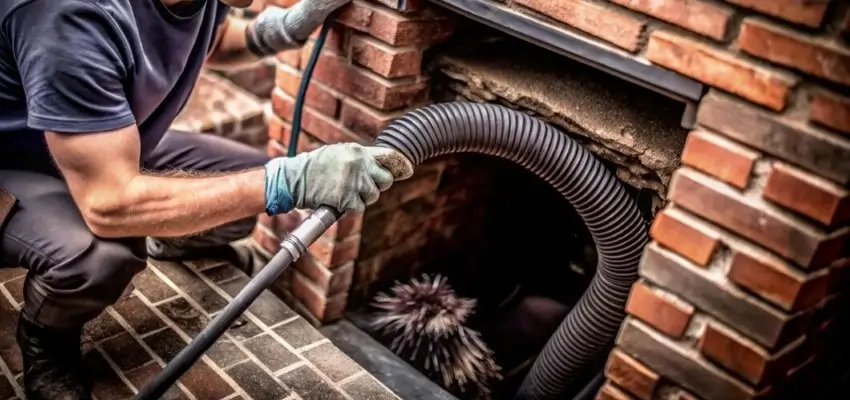
Chimney Cleaning that lifts soot and creosote in Langley
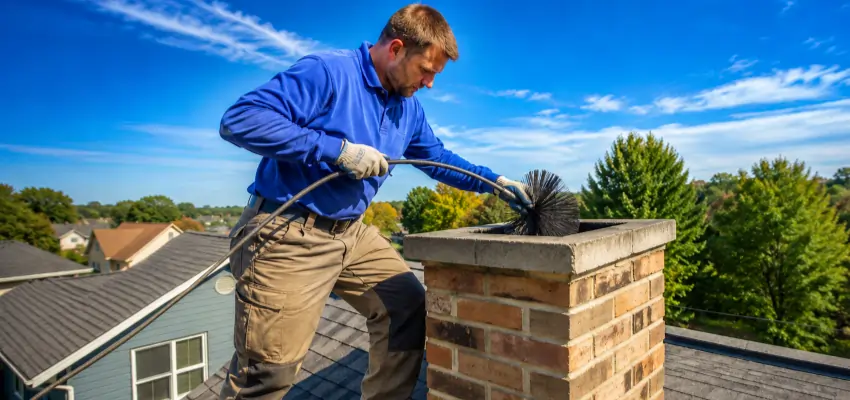
Careful Chimney Sweep for wood fireplaces and stoves in Langley
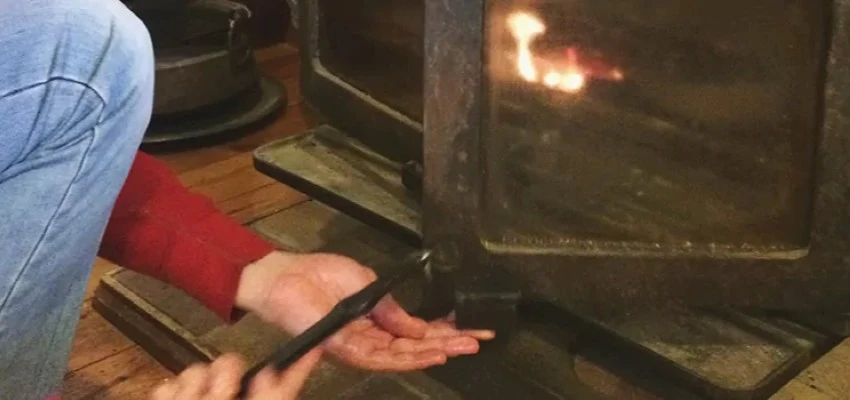
Flue brushing, damper checks, cleanup: Chimney Sweep Services in Langley
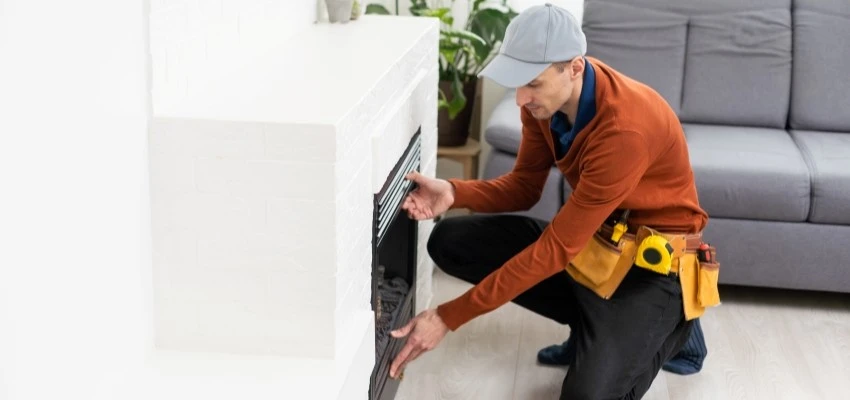
Ready for the season with Fireplace Experts in Langley
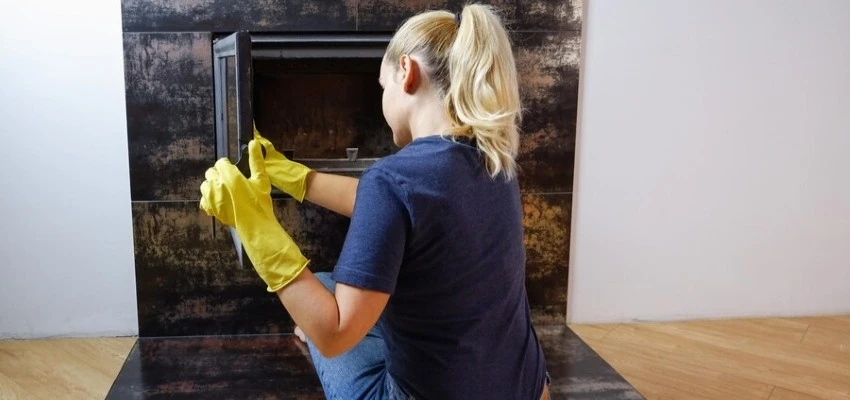
Logs lifted, embers reset: Gas Fireplace Cleaning near Langley
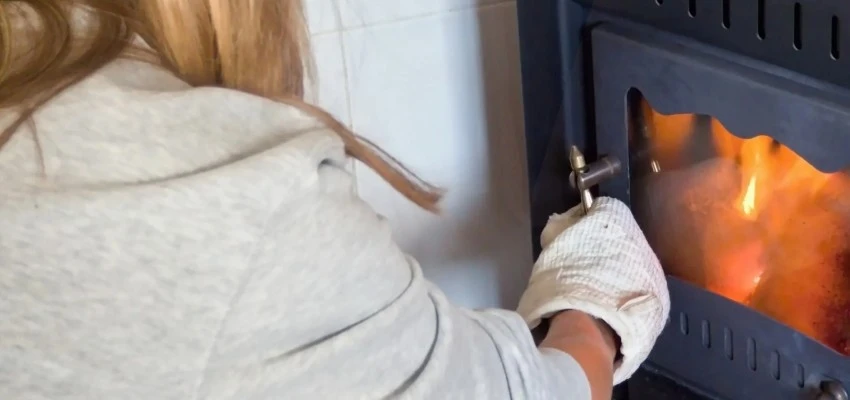
A record of every Gas Fireplace Maintenance visit

