
A wood fire is one of the simple pleasures of the colder months, and keeping it that way takes a little care behind the scenes. If you searched for “fireplace cleaning”, you are probably weighing what your fireplace needs now and what can wait. This page gathers straight answers for homeowners in Langley about fireplace cleaning: what a technician looks at, what tends to wear out and which small habits keep fires burning cleanly between visits.

A wood-burning fireplace or stove needs regular care because every fire leaves residue behind, and that residue builds up where you cannot see it. Smoke cools as it rises and coats the flue with soot and creosote, which narrows the passage and can catch fire. Heat also slowly wears down mortar, firebrick, door seals and metal parts. Left alone for years, those small changes add up to poor drafts, smoky rooms and costly repairs. A yearly check, plus a sweep when buildup calls for it, keeps the fire drawing well and catches problems while they are still minor. Working smoke and carbon monoxide alarms complete the picture.
The chimney is the main part of any cleaning we do, and the firebox is only the starting point. Soot settles on every surface the smoke touches, from the damper or stove outlet all the way up to the cap, and the heaviest deposits usually sit just above the fire, where the gases first cool. We brush that entire path, pull the debris down into a contained vacuum, then clear the firebox and the hearth. When a company only scoops ashes and wipes the doors, the part that matters for safety has been skipped, and the next fire runs through the same dirty flue.
You know it is time when the flue shows visible buildup or the fire starts behaving differently. With everything cold, shine a flashlight up past the open damper or into the stove outlet: a layer of soot or creosote that you can scrape with a poker is a common sign. Other clues include fires that are harder to start or keep going, smoke lingering in the room, a strong smoky smell, black flakes falling onto the hearth and stove glass that darkens quickly. If nobody remembers the last cleaning, that alone is a good reason to book one.
A sweep cleans the whole smoke path, and we work from the fire upward and from the room outward. First the hearth and nearby floor are covered, then a high-suction vacuum goes on, keeping the room under slight negative pressure so soot is drawn toward our equipment instead of drifting out. Brushing comes after that: rotary or wire brushes sized to the flue, pushed through in sections until the walls are clear. The smoke shelf behind the damper is where loose debris piles up, so it gets cleaned by hand. We finish by checking the damper seal, looking at the cap and showing the homeowner photos of anything worth discussing.
Cleaning a fireplace properly relies on a handful of specialized tools. Brushes come in wire for masonry flues lined with clay tile and in stiff poly for metal flues that a wire brush could scratch, sized to match the shape of the flue. They attach to flexible rods that snap together to reach the full height of the chimney, and some technicians use rotary systems that spin the brush with a drill. A vacuum with fine filtration keeps soot contained, while lights, mirrors and inspection cameras show what the brushes have reached. Drop cloths and hand tools finish the smoke shelf and firebox.

One to two hours covers most cleaning and inspection visits we make, with the chimney deciding which end of that range applies. Setup and floor protection take a few minutes, brushing takes the bulk of the time, and clean-up plus a walkthrough close things out. Tall chimneys, steep roofs and several flues stretch the visit, as do thick layers that need extra passes or special tools. Repairs are their own matter: a damper handle may be fixed on the spot, while firebrick or crown work gets a separate appointment. Since time shapes the price, an accurate description up front helps everyone.
It depends on the chimney, and the decision is made on the day. Plenty of flues are swept from the firebox upward with rods, which keeps us off delicate roofing. We still like to see the top, because the cap, the crown and the last few feet of flue are where weather and animals cause trouble. On steep or slippery roofs, we may set a ladder at the eave and use a camera instead of walking the surface. Rain, ice and strong wind mean the roof portion waits for a better day. Either way, you should hear what the top looks like, not just the bottom.
Remove ashes only when they are completely cold, using a metal shovel and a metal container with a tight lid. Ashes can hide live embers for several days, so wait well after the last fire and stir them gently to check for warmth. Set the closed container outside on a non-combustible surface, away from the house, decks and anything that burns, and never put ashes in a paper bag, plastic bin or household vacuum. In an open fireplace, a thin bed of ash can help the next fire, while stoves need more regular emptying so air can reach the coals.
Usually, yes, and the stain is worth reading before you scrub it. Soot on the brick or stone above the opening often means smoke has been rolling out of the firebox, so the draft deserves a check along with the fireplace cleaning visit. For the stain itself, a dry soot sponge lifts loose residue without smearing it deeper, and a mild soap solution can follow on sealed or glazed surfaces. Avoid wire brushes and harsh acids, which can scar soft brick and mortar. Test any method on a hidden spot first, and leave stubborn or porous stone to a professional.

Moving brings a long list of unknowns, and the condition of your fireplace is one of them. A visit from Chimney Sweep Langley replaces guesswork with a clear picture. Schedule fireplace cleaning as part of settling in.
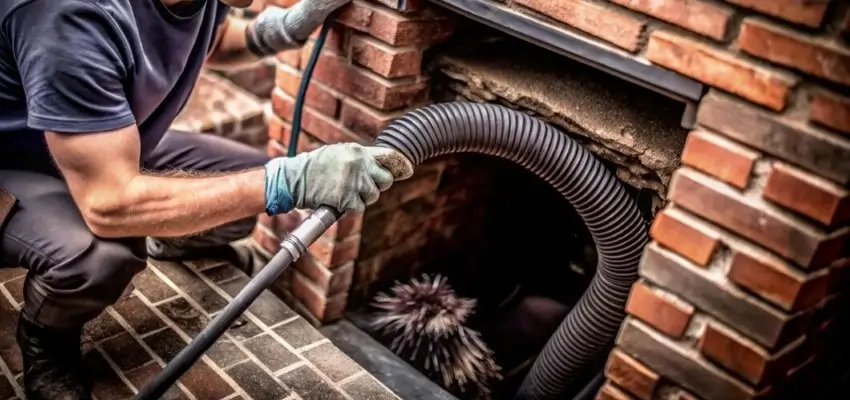
Chimney Cleaning that lifts soot and creosote in Langley
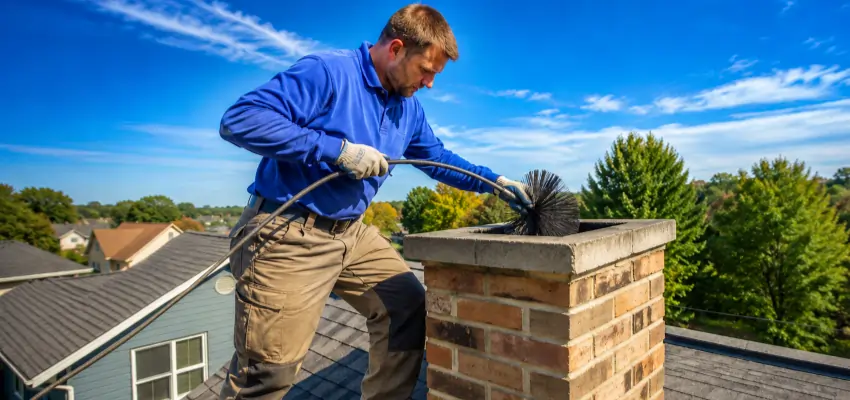
Careful Chimney Sweep for wood fireplaces and stoves in Langley
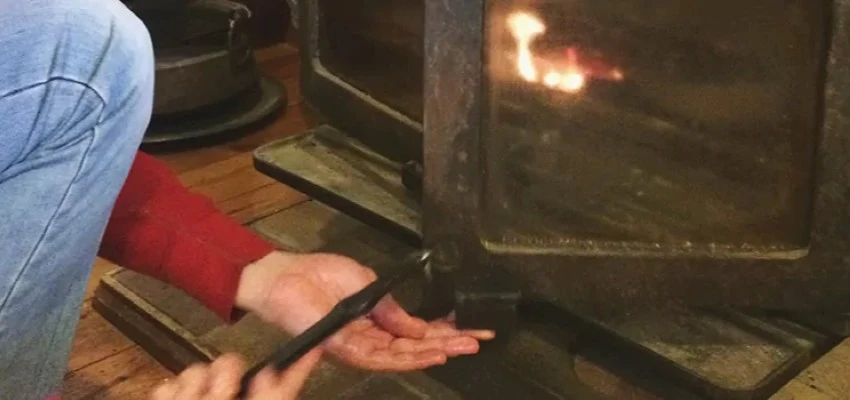
Flue brushing, damper checks, cleanup: Chimney Sweep Services in Langley
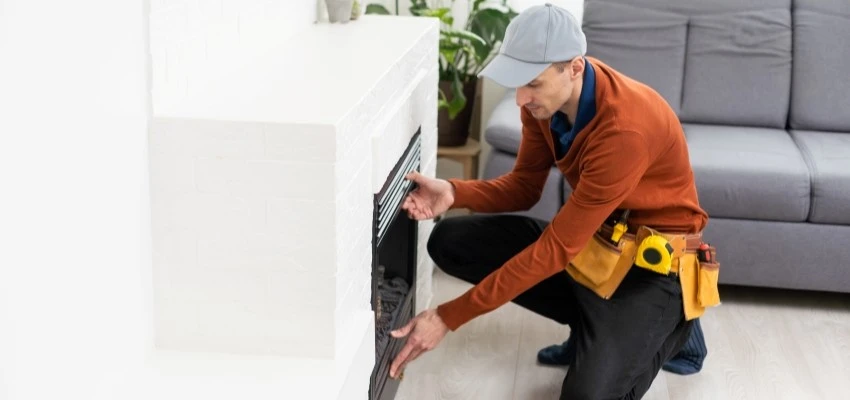
Ready for the season with Fireplace Experts in Langley
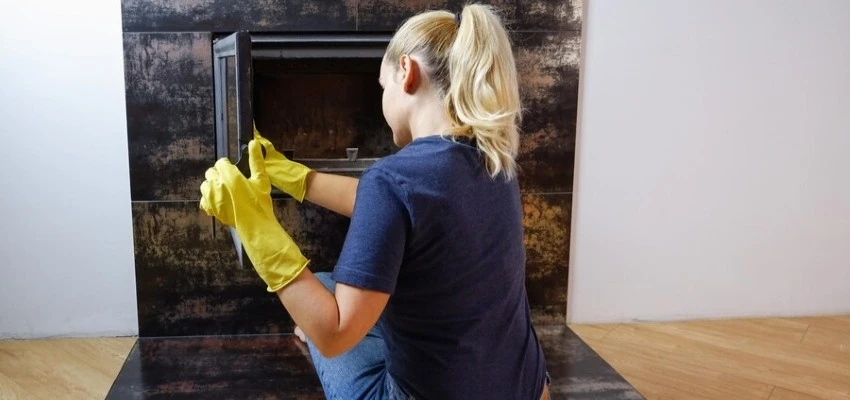
Logs lifted, embers reset: Gas Fireplace Cleaning near Langley
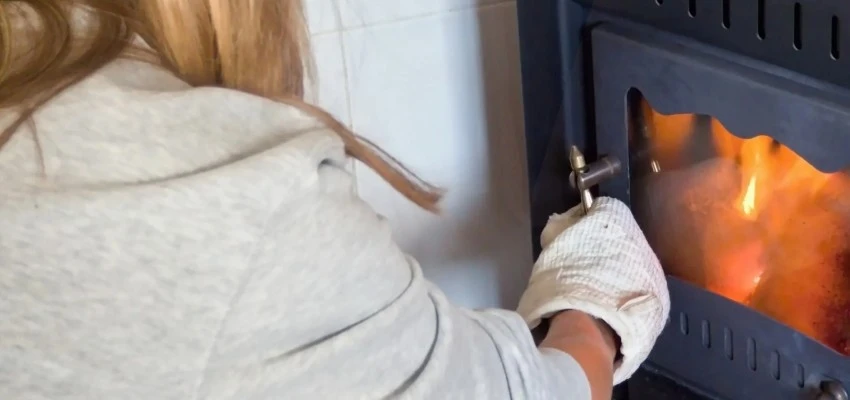
A record of every Gas Fireplace Maintenance visit

