
Advice about wood fires tends to swing between extremes. One neighbor never has the chimney touched, while another is told every hairline crack is a disaster. Neither helps much when you are trying to decide what your own fireplace needs. If you searched for “fireplace contractors”, the answers here aim for the practical middle, explaining fireplace repair and upkeep for homes in Langley with enough detail to make a confident decision.

Smoke spills when the house wins a tug-of-war with the chimney. A warm chimney pulls air upward; anything that weakens that pull lets smoke roll out of the opening instead. On calls like this we check the damper first, then look up the flue for blockages, then consider the house itself, because range hoods, dryers and tight windows can make the home pull harder than the chimney. Sometimes the opening is simply too large for the flue, or the chimney is too short for nearby rooflines. Each cause has its own fix, from a smoke guard to a taller flue or a better air supply.
During a fireplace sweep, the technician cleans the full smoke path from the firebox to the top of the chimney while keeping soot out of your room. A typical visit starts with drop cloths and a sealed opening, with a vacuum running to hold fine dust back. Brushes on flexible rods are then run through the flue, from below, from the roof or both. The smoke shelf and smoke chamber above the damper are cleared, the damper is cleaned and tested, and ash and debris are removed from the firebox. You should get a short summary of what was found.
Good contractors treat dust control as part of the job. Expect plastic sheeting around the work area, covered floors along the route to the door and a vacuum or air scrubber running while old mortar and brick are removed. Cutting is often done outdoors or with tools fitted with dust collection. Debris goes out in sealed bags or tubs rather than loose armfuls, and roofing is protected with pads or boards when crews work up top. Before hiring “fireplace contractors” for a larger job, ask how they set up the room, and you will learn a lot about how carefully they work.
The cost depends mainly on how much work the visit involves and how hard the chimney is to reach. Key factors include the height of the chimney and the pitch of the roof, the number of flues, how much creosote has built up and whether it has glazed, and whether the visit includes an inspection or a camera scan. Stoves with pipe to take apart and older fireplaces with rough smoke chambers can add time. Repairs and parts are normally quoted separately. A written quote that lists what is included makes it easier to compare companies fairly.
Many chimneys can be cleaned from inside, through the fireplace opening or stove, but a complete job often includes a look from the roof as well. Working from below with flexible rods handles plenty of flues, especially with a vacuum holding the dust back. The roof is where the cap, crown, flue top and outside masonry can be checked, and some caps or tight bends make cleaning from the top easier. Technicians only go up when weather and roof conditions allow it safely. Mention steep pitches, fragile roofing or tight ladder space when you book.

You can keep things tidy between visits, but the flue is where do-it-yourself efforts fall short. We regularly find chimneys that were brushed from below with a kit that missed the smoke shelf, pushed debris onto a closed damper or knocked soot loose without anyone noticing a cracked tile. Any work on the liner or masonry belongs with a professional. A sensible split is simple: ashes, glass, alarms and firewood are yours; sweeping, inspection and anything structural go to a technician. That division keeps you safe and puts experienced eyes on the parts that matter.
Local knowledge is the main reason: after enough visits in one area, we know its chimneys almost by heart. We learn which subdivisions have factory-built fireplaces from the same period, which older streets have unlined masonry flues and how local freezes, heat waves or storms treat crowns and caps. That background makes quotes more accurate and visits quicker. It also means Chimney Sweep Langley is close by if something comes up later or you want a second look. For homeowners in Langley, that familiarity usually saves time on the first visit and every one after it.
The questions that reveal the most are about scope and evidence: what is cleaned, what is inspected, how findings are shared and how extra work is priced. It is also reasonable to ask who will do the work, whether they handle masonry repairs themselves and how long any repair would need before the first fire. Asking how they deal with glazed creosote or a stovepipe that has to come apart shows quickly whether they have done it before. A technician who knows wood-burning systems answers each of these in a sentence or two, without hedging or upselling.
Fireplace contractors usually fall into a few groups: service companies that sweep, inspect and handle common repairs; masons who rebuild fireboxes, chimneys and stone or brick surrounds; and installers who fit stoves, inserts and factory-built units. Some businesses cover all three. When you search for “fireplace contractors”, it helps to match the problem to the trade, since a crew that builds new surrounds may not sweep chimneys, and a sweep may not lay brick. Describe the issue clearly and ask which parts of the job the company handles with its own people.

Older homes often hide earlier repairs, odd layouts and materials that need a careful approach. Our technicians take the time to see how earlier work on your fireplace was done before recommending anything. Call (778) 909-9614 to talk about your home.
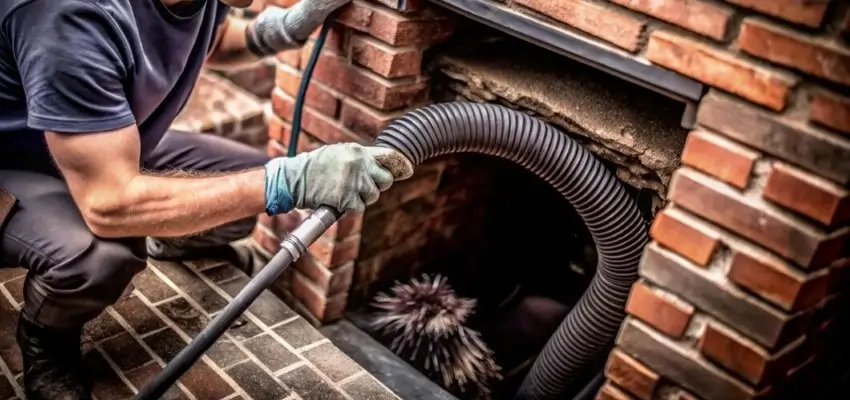
Chimney Cleaning that lifts soot and creosote in Langley
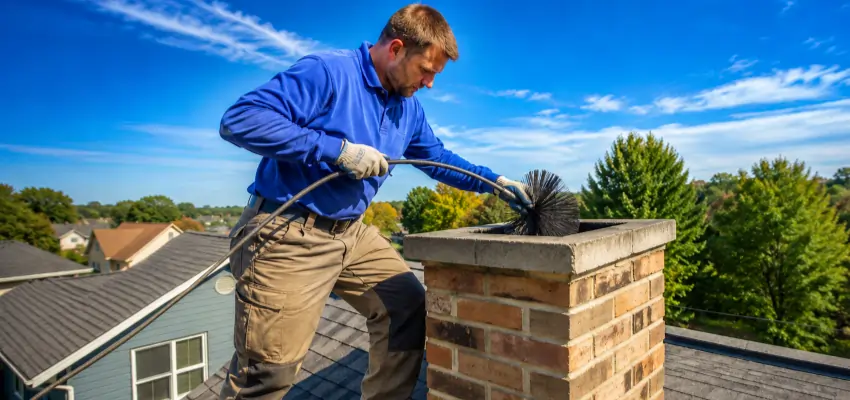
Careful Chimney Sweep for wood fireplaces and stoves in Langley
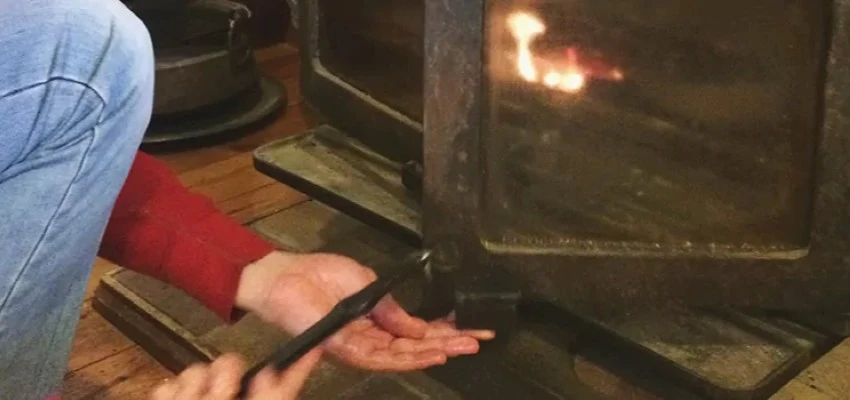
Flue brushing, damper checks, cleanup: Chimney Sweep Services in Langley
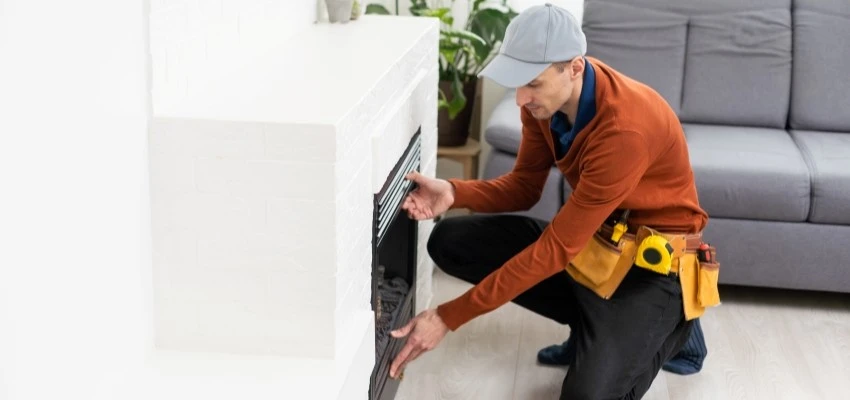
Ready for the season with Fireplace Experts in Langley
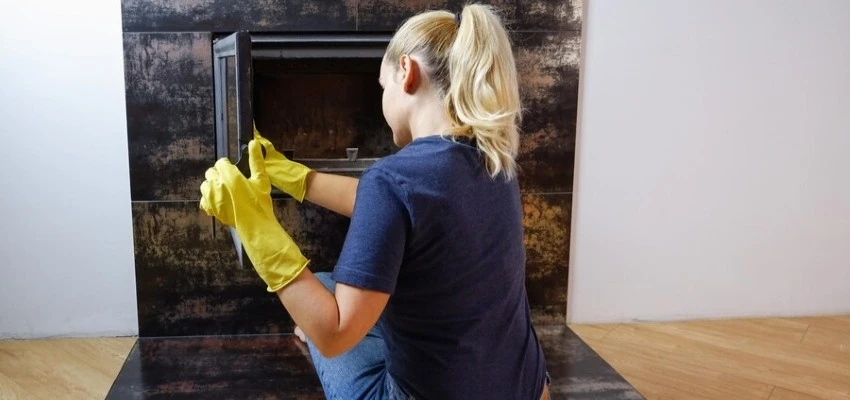
Logs lifted, embers reset: Gas Fireplace Cleaning near Langley
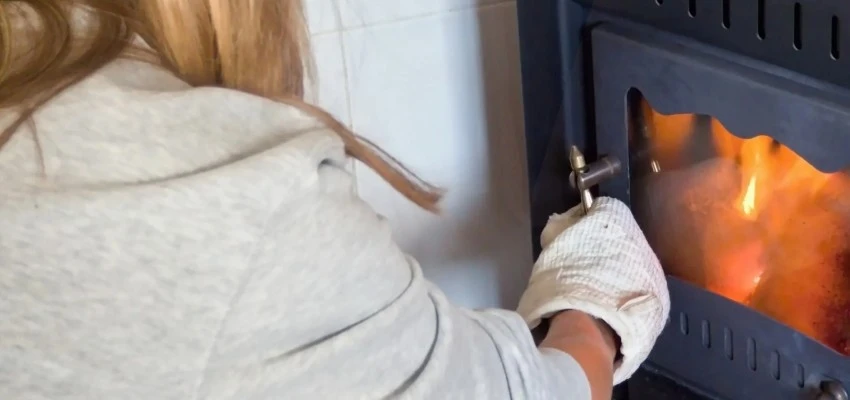
A record of every Gas Fireplace Maintenance visit

