
Older homes often come with fireplaces that have seen many winters and a few questionable repairs along the way. If that sounds like yours and you typed “fireplace conversion services” into a search bar, you are probably weighing what to fix, what to keep and what to change. This guide is written for homeowners around Langley and explains fireplace conversion honestly, including the cases where a simpler job makes more sense than a big one.

The line we draw is between the parts you see and the parts that handle fire and smoke. Remodeling deals with surfaces and fuel: tile, stone, mantels, surrounds and conversions. Repair deals with the working core: the firebox, the throat and damper, the smoke chamber and the metal components that seal or protect them. On real jobs the two often overlap. Pull off an old surround and you may find gaps that let heat reach framing; open the damper and you may find a crumbling smoke shelf. We sort each finding into must-fix and nice-to-have so you can plan sensibly.
It depends on what kind of fireplace it is. A factory-built gas fireplace or a gas insert cannot burn wood, because it was designed and tested only for gas; it would have to be removed and replaced with a unit made for wood. A masonry fireplace that simply has gas logs in it can usually return to wood burning once the logs are taken out, the gas line is capped by a qualified gas technician and the chimney is inspected and swept. People researching “fireplace conversion services” often ask this before deciding, and it is a fair question to raise early.
The problems that concern us most are the ones that let heat or smoke go where they should not. Open cracks in the firebox, mortar joints washed out deep enough to catch a fingernail, a smoke chamber shedding chunks onto the smoke shelf and a damper plate rusted through all fall into that group. Cosmetic issues, like hairline crazing in a tile surround or a scuffed mantel, can be planned around your schedule. When homeowners send photos, we usually ask for three: the firebox walls, the view up past the damper and the outside of the chimney.
For some homes it is. An electric insert slides into the existing opening, plugs into an outlet and produces a flame effect with modest heat, so it needs no gas line or venting. It suits homeowners who mainly want the look of a fire, live where gas is not available or want to avoid combustion indoors altogether. The trade-offs are less heat than a gas insert and a flame that is a visual effect rather than real fire. The chimney should still be capped or sealed against drafts. If you are weighing options for fireplace conversion, ask to see both types running before you decide.
A conversion usually starts with an inspection and a thorough sweep, because the chimney will now carry gas exhaust and must be clean and sound. The firebox and damper area are checked, and any needed repairs are made. A qualified gas technician then runs the gas line to the fireplace and makes the connection. For an insert, a liner is installed from the insert up through the chimney and the unit is set in place with its surround. Gas logs are arranged to the manufacturer’s diagram. Finally, everything is leak-tested, lit and adjusted, and you are shown how to operate it.

An inspection comes first because it shows whether the fireplace is safe to use and sound enough for the planned work, so you do not spend money on a new face over a failing core. A technician typically checks the firebox walls and floor, the damper and throat, the smoke chamber, the flue and the clearances around the opening, often with a camera for the hidden parts. If problems turn up, they can be fixed before finishes go on, when access is easiest. It is a sensible routine on its own too: many homeowners have the fireplace and chimney inspected once a year.
The cost depends mostly on the scope of work, the materials and what turns up once old surfaces come off. A simple refresh with paint or a new mantel shelf costs far less than full stone refacing, a gas conversion or rebuilding a firebox. Material choice matters too: natural stone, custom millwork and specialty tile cost more than standard options. Access, the size of the fireplace and any hidden damage add time, while gas work, liners and venting add parts. A clear, itemized quote that separates repairs from finishes makes options much easier to compare.
Ask the contractor for a specific date, because it depends on the materials used. Mortar, refractory cement and some adhesives need time to cure before they face heat, and lighting a fire too soon can crack fresh joints or loosen new finishes. After masonry work, the first fires are usually kept small to drive out remaining moisture gradually. Gas conversions are tested by the installer before handover. Keep the first few fires modest, watch for smoke in the room and make sure your smoke and carbon monoxide alarms work.
When homeowners show us competing quotes, the gap usually comes from scope. One quote may cover a new surround but say nothing about the cracked firebricks behind it; another includes the repair and the curing time. We suggest laying them side by side and asking three questions of each: what exactly is being fixed, what exactly is being installed and what happens if something unexpected turns up when the old finish comes off. Clear, specific answers point to a contractor who has thought the job through. Vague ones usually mean extras later.

No jargon, no surprise add-ons and no long sales pitch. We explain what the work on your fireplace involves, what it costs and how long it takes, then you decide. Call (778) 909-9614 to talk it over with Chimney Sweep Langley.
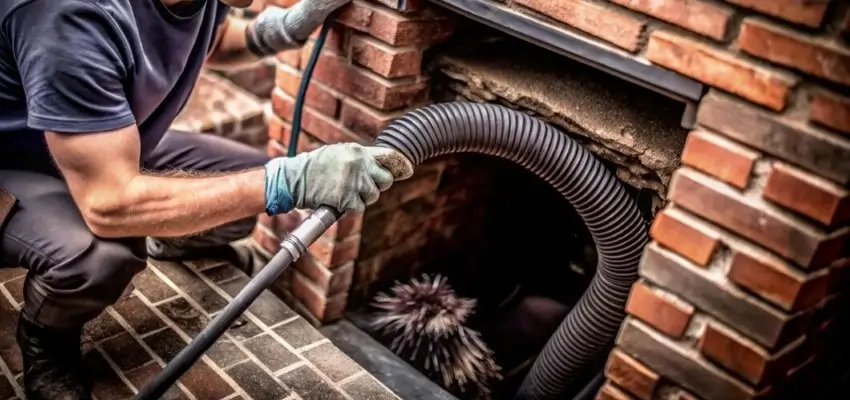
Chimney Cleaning that lifts soot and creosote in Langley

Careful Chimney Sweep for wood fireplaces and stoves in Langley
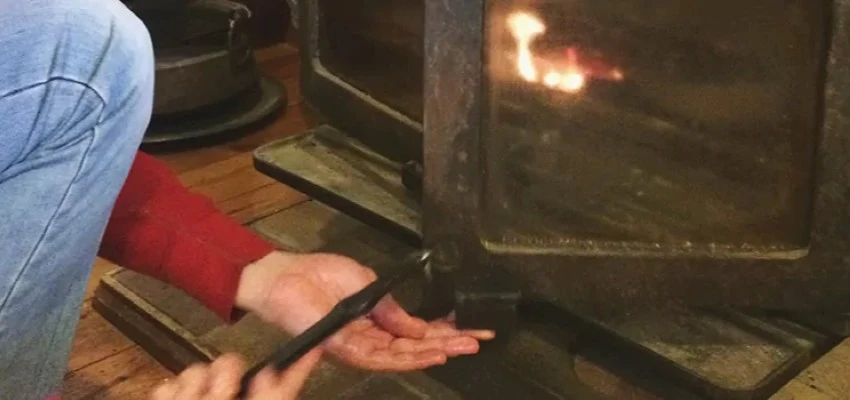
Flue brushing, damper checks, cleanup: Chimney Sweep Services in Langley
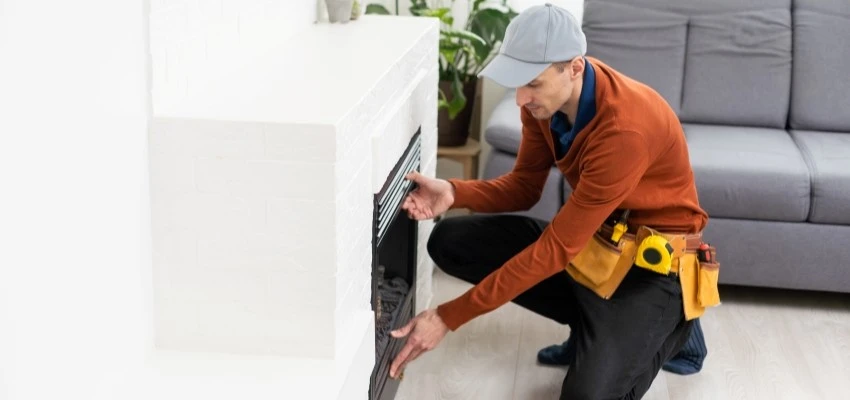
Ready for the season with Fireplace Experts in Langley
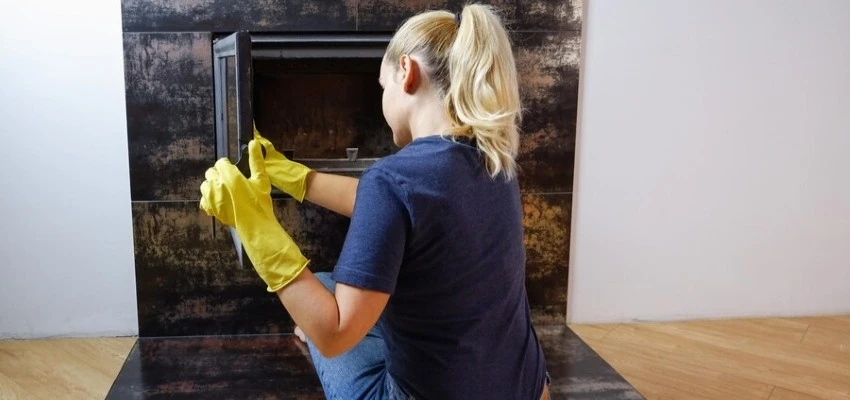
Logs lifted, embers reset: Gas Fireplace Cleaning near Langley
A record of every Gas Fireplace Maintenance visit

