
A hazy room after the last fire, a campfire smell on a warm afternoon, a brick that wobbles when you touch it: small things like these send many homeowners in Langley looking for “fireplace fixing services”. Sometimes they mean nothing serious, and sometimes they are an early warning. The answers on this page explain fireplace repair clearly, so you can tell the difference and decide what your fireplace needs.

Creosote is unburned fuel: tiny droplets of tar and gas that leave the fire, cool on the way up and stick to the flue walls. We grade it by texture on every job. A light, powdery coat brushes away easily. A thicker, flaky or bubbly layer takes more effort and tells us fires are running cool or the wood is wet. A glossy, glazed coating is the one that concerns us, because it is stubborn to remove and burns intensely if it catches. Where we find heavy deposits, we talk through wood and burning habits, since changing those is what slows the next round of buildup.
A fireplace or stove needs cleaning when the flue turns matte black and furry with deposits, or when fires start losing their pull. We judge it by thickness and texture, but homeowners can spot the effects from the hearth. Fires get lazy, drafts weaken and the room picks up a stale smell between uses. In stoves, the glass blackens faster and the baffle collects a crust. Heavy users often reach that point before the season ends, while occasional users may go a full year or more. When in doubt, a quick inspection settles it without guesswork.
The signs that matter most are small physical changes: a brick that wobbles, crumbs of mortar on the hearth, a damper that needs a shove or a stain where none used to be. When homeowners call about one of those, we usually find it connects to something larger, such as rain entering through a cracked crown or heat slowly eating at the joints of the back wall. Gaps in the firebox matter most, since they can let heat reach the framing behind the masonry. Catching these early keeps the fix to a patch rather than a rebuild.
A firebox rebuild, the step taken once patching can no longer keep up, means removing the worn firebrick and mortar and laying new firebrick with refractory mortar made for high heat. It is usually recommended when many bricks are cracked, loose or crumbling, when gaps run through the back or side walls, or when earlier patches have failed. The work is done from inside the opening, with the room protected from dust. Afterward, the mortar needs time to cure before the first fire, and the first few fires should be small. Done properly, a rebuilt firebox can handle many seasons of regular use.
Most fireplace repairs take from a few hours to a full day of work, while bigger jobs such as a firebox rebuild or major chimney work can stretch over several days. The schedule also depends on dry weather for anything done on the roof, on how quickly specific parts or matching materials can be found, and on cure time for mortar. Masonry repairs usually need a waiting period before the first fire, so the fireplace may be out of use a little longer than the work itself. Booking repairs outside the burning season keeps that downtime out of the way.

The cost of fireplace repair depends on what is damaged, how far the damage has spread and how easy the area is to reach. A few loose firebricks or a new damper are smaller jobs; a full firebox rebuild, smoke chamber work or repairs to the chimney above the roofline involve more labor and materials. Matching older brick, tile or stone adds time, and so does fixing the cause, such as a leaking crown that let water in. Factory-built fireplaces depend on parts made for that model. Ask for a written scope so every quote covers the same work.
Most repair quotes start with an inspection, because the visible damage rarely tells the whole story. After looking at the firebox, damper, flue and chimney exterior, the company writes a scope that lists each repair, the materials it plans to use and any cure time involved. Good quotes separate required work from optional improvements and explain how unexpected damage would be handled. When comparing “fireplace fixing services” offers, make sure each one covers the same items, since a lower figure can simply mean less work. Ask for photos of the problems so you can follow the reasoning yourself.
Plan for a longer, busier visit than a sweep. Clear the room around the fireplace, not just the hearth, since masons need space for mixing tubs, tools and material. Move valuables and electronics out of the room or cover them, and expect some noise from chiseling and cutting. Let the company know where an outdoor water tap and a power outlet are, and leave room in the driveway for a vehicle and materials. If the work involves the chimney top, keep the yard below clear. Pets and children are happier elsewhere while the work goes on.
That depends on the repair: simple fixes can be used right away, while many masonry and sealing repairs need a curing period followed by a few small fires. Fresh refractory mortar, firebrick work and crown patches can crack if hit with high heat too soon. Stove gaskets set with high-heat cement and new glass seals also hold up longer after a few gentle first fires. A new damper handle, cap or screen usually needs no wait at all. Ask the technician for clear instructions on how long to wait and how small to keep the first fires, and follow them closely.

A storm, a heat wave or a long cold snap is a good moment to make sure everything at home still works the way it should. If anything about your fireplace has changed since the weather turned, a quick check is a sensible next step. Arrange a visit in Langley with Chimney Sweep Langley.
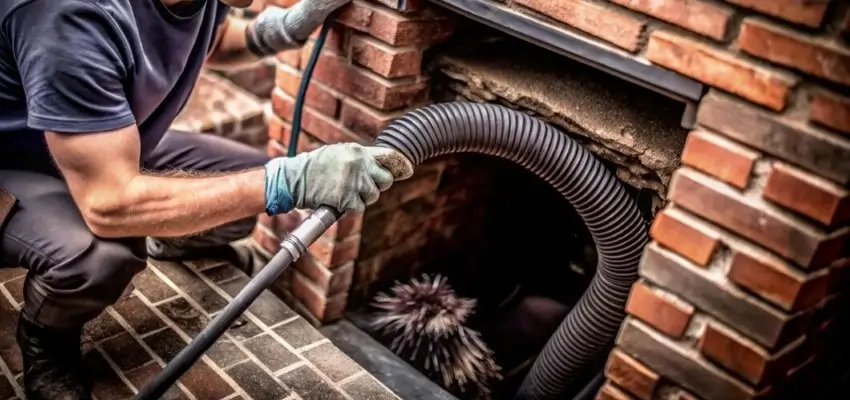
Chimney Cleaning that lifts soot and creosote in Langley

Careful Chimney Sweep for wood fireplaces and stoves in Langley
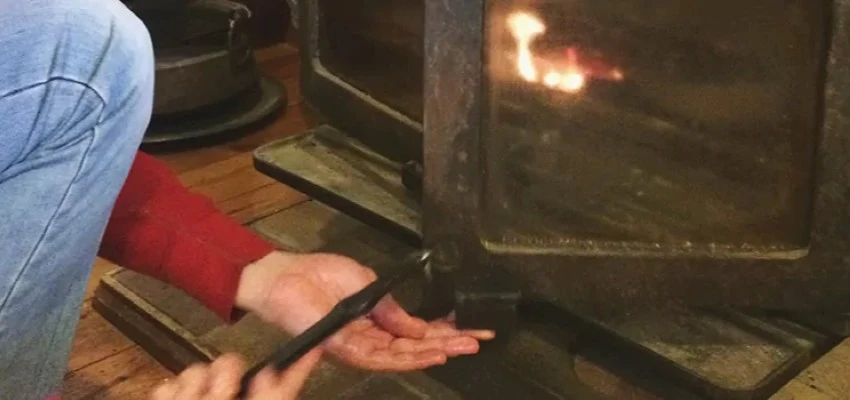
Flue brushing, damper checks, cleanup: Chimney Sweep Services in Langley
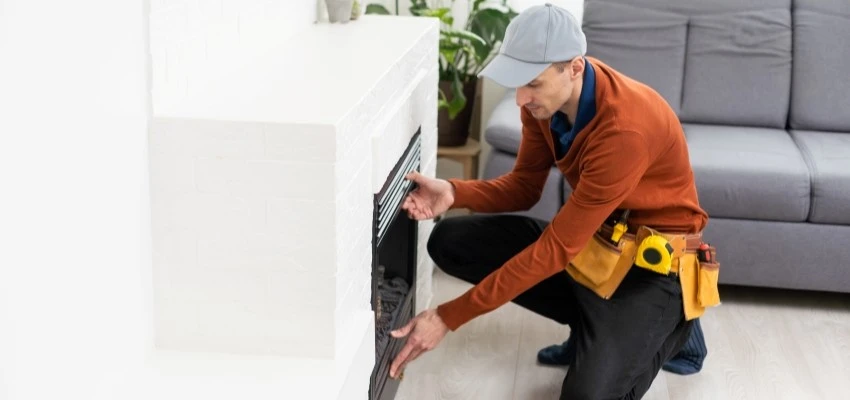
Ready for the season with Fireplace Experts in Langley
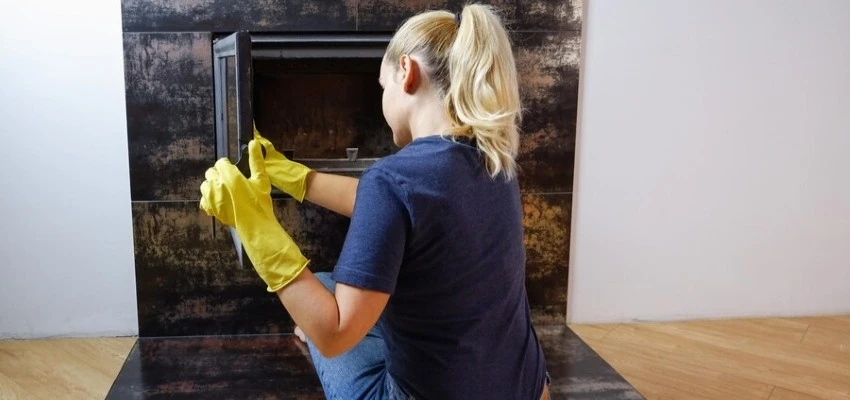
Logs lifted, embers reset: Gas Fireplace Cleaning near Langley
A record of every Gas Fireplace Maintenance visit

