
Plenty of people around Langley inherit a fireplace or wood stove along with a house and have no idea when anyone last looked at it. Typing “fireplace inspection” into a search bar is a sensible first move. The questions below are the ones homeowners raise most often about fireplace inspection, answered in plain language and with the reasoning behind each answer, so you can judge what applies to your home and what does not.

Regular care catches problems that build slowly and out of sight, and a fireplace that has gone years without a visit shows exactly that pattern. The flue carries a crust of creosote, the cap is clogged with leaves or missing, and joints in the firebox have eroded from repeated heating. None of it happened overnight, and most of it would have been a simple fix earlier on. Neglect also hides things like a cracked flue tile or a rusted damper, which only show up when someone looks. Routine service is really about knowing the condition of a system you trust with an open flame indoors.
A fireplace or stove usually smells when it is not in use because creosote and soot in the flue give off odor, especially in humid weather. Moist summer air reacts with those deposits and makes the smell stronger, and rain coming down an uncapped chimney adds a damp, musty note. The house can make it worse: kitchen and bathroom fans or a running dryer can pull air down the chimney and into the room. A sweep removes most of the source, a cap keeps rain out and a tightly closing damper cuts the downdraft. A sharp, rotten smell is different and can mean an animal in the flue.
A chimney fire often announces itself with a loud roaring or rumbling sound, popping and cracking noises, thick smoke and a strong, hot smell, sometimes with flames or sparks shooting from the top. If you notice these, get everyone out of the house and call the fire department from outside. Not every chimney fire is dramatic, though. Slow-burning ones can go unnoticed and leave quieter clues: flaky, puffed-up creosote, a warped damper or cap, cracked flue tiles and debris on the roof or ground. After any suspected chimney fire, have the system inspected before it is used again.
A visual check suits a fireplace that has been used and maintained regularly with no changes or warning signs. A camera scan is worth it when part of the flue cannot be seen, when there has been a chimney fire, a storm or a renovation, when a home is being bought or sold, or when smoke and odors have no obvious cause. The camera travels up the flue and shows cracks, gaps and deposits that a flashlight cannot reach. Ask the company which level of inspection they recommend for your situation and why.
It often should, because some of the most important clues sit outside the living room. Where the chimney passes through an attic, the technician can check for water stains, scorched wood or framing too close to the masonry. On the roof, the crown, cap, flashing and upper brick show how well the chimney sheds weather. Some inspections are limited to what can be reached from inside, so ask what a “fireplace inspection” visit from each company covers. If the attic or roof is skipped, the report should say so clearly.

A fireplace inspection checks every accessible part of the system for damage, blockages and unsafe setup. That usually covers the firebox, firebrick and mortar, the damper, the smoke chamber, the visible flue liner, the hearth and the area around the opening, plus the chimney exterior, crown and cap. The technician also looks at how close mantels and wood trim sit to the opening and whether the hearth in front extends far enough. A camera often helps with hidden parts of the flue. You should receive clear findings, ideally with photos, that separate urgent issues from items to watch.
A routine cleaning or inspection usually takes about one to two hours, and a combined sweep and inspection can run a little longer. Time depends on how much creosote has built up, how tall the chimney is, whether the roof has to be accessed and whether a stovepipe must come apart. Glazed deposits and any small repairs agreed on during the visit add time, while larger masonry work is normally scheduled separately. Plan to be home for the whole visit and allow a few minutes at the end to go over the findings. Describing your setup when booking helps the company estimate the time.
It depends on the chimney, and the decision is made on the day. Plenty of flues are swept from the firebox upward with rods, which keeps us off delicate roofing. We still like to see the top, because the cap, the crown and the last few feet of flue are where weather and animals cause trouble. On steep or slippery roofs, we may set a ladder at the eave and use a camera instead of walking the surface. Rain, ice and strong wind mean the roof portion waits for a better day. Either way, you should hear what the top looks like, not just the bottom.
Ashes are cleaned out safely by waiting until they are cold, scooping them into a lidded metal bucket and taking that bucket straight outside. Cold ash only, every time; any warmth deep in the pile means it waits. Once outside, the bucket belongs on bare ground or concrete, where a surviving ember can do no harm. We have seen ash buckets left on wooden decks and in garages, which is exactly where they should not be. Daily stove users may empty the pan every day or two, and ash vacuums made for the job are an option once everything is fully cold.

Not every issue makes a noise or a smell before it grows. A routine look at your fireplace is the simplest way to find out where things stand. Call (778) 909-9614 and book fireplace inspection with the Chimney Sweep Langley team.
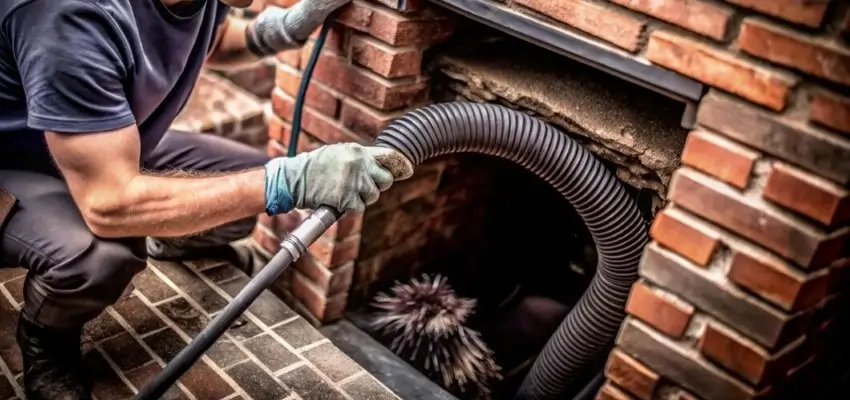
Chimney Cleaning that lifts soot and creosote in Langley
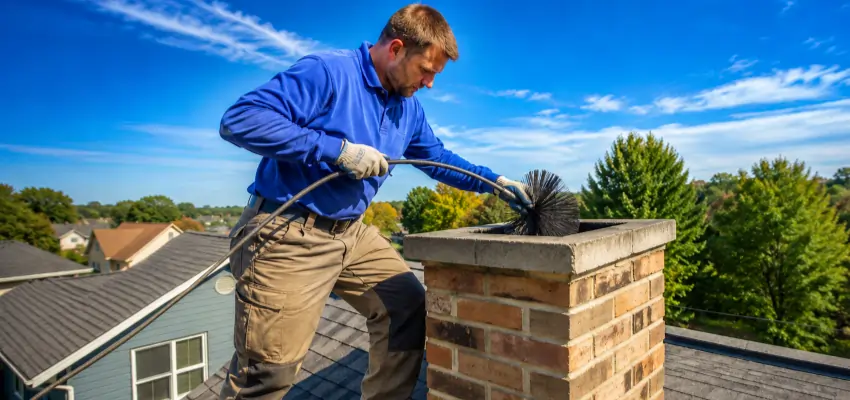
Careful Chimney Sweep for wood fireplaces and stoves in Langley
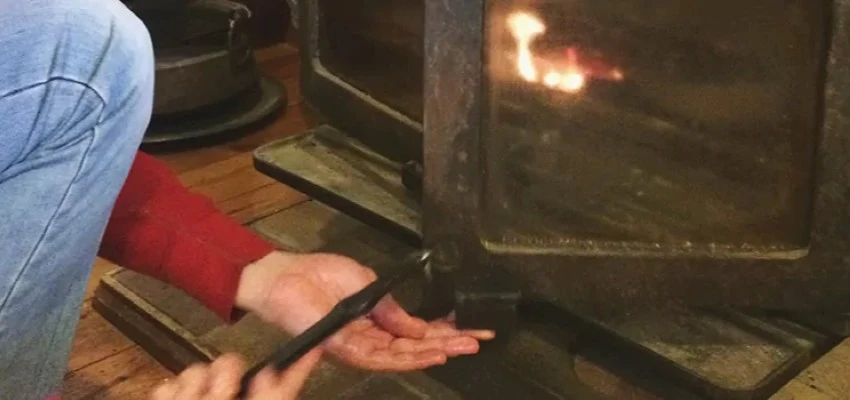
Flue brushing, damper checks, cleanup: Chimney Sweep Services in Langley
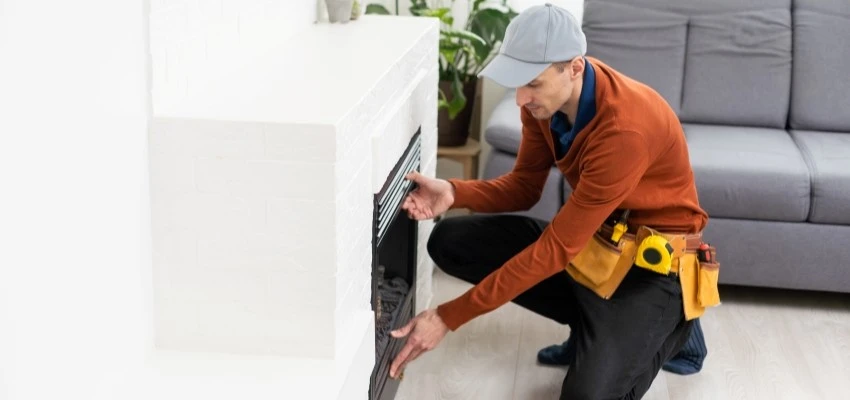
Ready for the season with Fireplace Experts in Langley
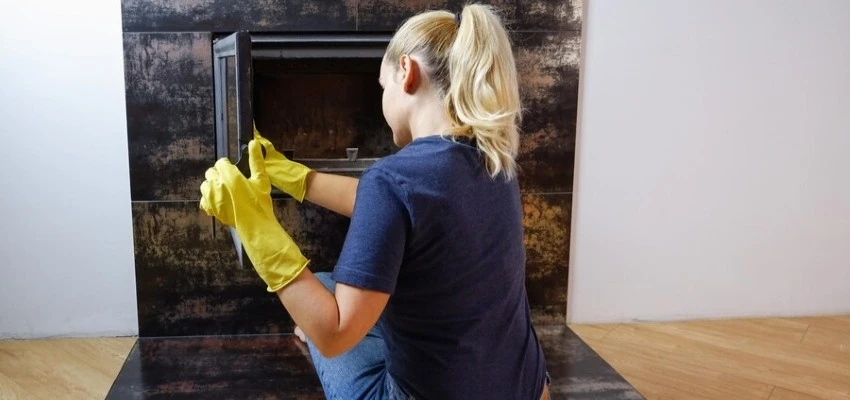
Logs lifted, embers reset: Gas Fireplace Cleaning near Langley
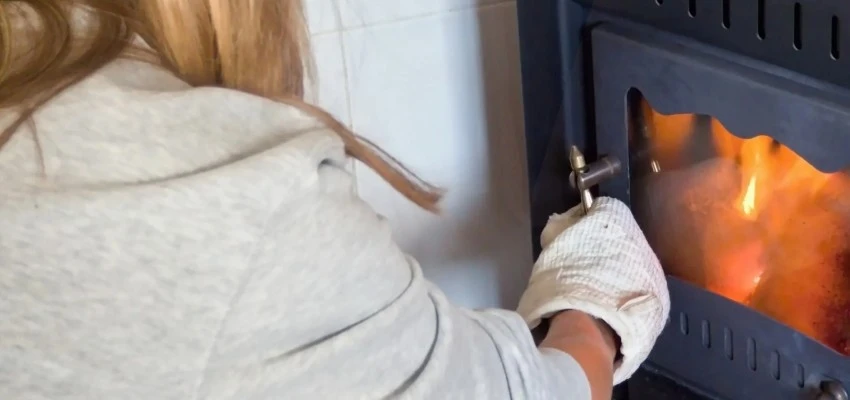
A record of every Gas Fireplace Maintenance visit

