
How long will it take? Can it be done without tearing everything out? When can we light a fire again? These questions come up in almost every conversation we have about fireplace work. For homeowners in Langley who searched for “fireplace mantel services”, we have gathered the answers in one place, with practical notes on fireplace mantel installation drawn from jobs in homes much like yours.

The main types are floating shelves, full surrounds and stone or cast mantels. A floating shelf is a single beam or box mounted above the opening on a hidden bracket, popular in rustic and modern rooms. A full surround frames the opening with legs and a shelf, often in painted or stained wood. Stone, cast stone and plaster mantels add weight and a more formal look, and reclaimed timber beams are another option. When you browse ideas after searching for “fireplace mantel services”, consider the projection of the shelf, because deeper mantels have to sit higher above the opening to stay clear of the heat.
The line we draw is between the parts you see and the parts that handle fire and smoke. Remodeling deals with surfaces and fuel: tile, stone, mantels, surrounds and conversions. Repair deals with the working core: the firebox, the throat and damper, the smoke chamber and the metal components that seal or protect them. On real jobs the two often overlap. Pull off an old surround and you may find gaps that let heat reach framing; open the damper and you may find a crumbling smoke shelf. We sort each finding into must-fix and nice-to-have so you can plan sensibly.
Most mantels are fastened to the wall with a hidden cleat or bracket anchored into the masonry or framing, and the mantel slides over it and is secured from below or behind. On brick or stone, that means drilling into solid material with masonry anchors, avoiding mortar joints that may crumble. Full surrounds with legs are anchored to the wall and sometimes the hearth. The installer checks clearances to the opening, levels the piece carefully and fills or caulks gaps for a finished look. Heavy solid-wood or stone mantels may need extra support planned in advance.
We protect the room with floor coverings, sealed openings and a contained work area, and the setup takes time on purpose because masonry dust travels. The floor is covered from the door to the hearth, plastic is taped around the fireplace opening and, for messy demolition, we build a small enclosure so dust stays in one spot. Cutting is done with dust collection where the tools allow, and mixing happens outside or on protected ground. At the end of each day we vacuum and tidy. Some fine dust can still escape on a demolition day, but it should be minor.
The working time is usually shorter than the calendar time. A damper or firebrick repair may take a few hours, and a surround can be refaced in a few working days, but mortar and adhesives need curing time and gas work needs scheduling and testing. Materials are the other variable: custom stone, a made-to-order mantel or an insert can take weeks to arrive. We give homeowners two dates when we plan: when work starts and when the fireplace can be used again. For most families the second date matters most, especially heading into the colder months.

Often it can, and it may be the more charming choice. Loose mantels can be re-anchored, split joints glued and clamped, missing trim pieces copied and worn finishes stripped and refinished or painted. Original mantels in older homes are frequently worth saving, since their size and detail are hard to match. Replacement makes sense when the wood is badly scorched, the mantel sits too close to the opening to meet clearances or the style no longer suits a remodeled room. If you are weighing options while researching “fireplace mantel services”, ask for both a repair and a replacement price.
The ideal start is an empty room around a cold fireplace. We need space to set up dust protection, a route for heavy materials such as stone or a mantel and somewhere to mix or cut outside. Take down pictures or a TV mounted above the opening, since vibration from chipping can loosen them. Let us know about alarms, pets and parking. If a gas line is involved, the gas technician may need access to the meter or the basement. Final finish choices, like grout color or stain, should be settled before day one so the job does not stall.
It depends on where you live and what the work involves. Purely cosmetic changes, such as painting brick or swapping a mantel shelf, often need no permit, while gas line work, installing a new insert or fireplace, changes to the chimney or structural masonry frequently do. Rules differ from one municipality to the next, so check with your local building department or ask the contractor to confirm. A professional company should know the local requirements and tell you whether it will arrange the permit and inspection or whether that falls to you. Get that answer in writing before work begins.
Keep up the basics: have the chimney and fireplace inspected once a year and swept when needed, burn only dry, seasoned wood and keep the damper closed when the fireplace is not in use, unless it serves gas logs that need it open. Clean new stone or tile with products suited to the material, since harsh cleaners can stain or etch them. Avoid hanging heavy items from a new mantel unless it was built for that load. Check the firebox walls now and then for new cracks. A small problem caught early, like a single loose firebrick, is a quick fix rather than a project.

A recent look at the parts of a home buyers ask about can make a sale go more smoothly. We can fit fireplace mantel installation around showings, inspections or move-in dates. Tell us your timeline and we will plan around it.
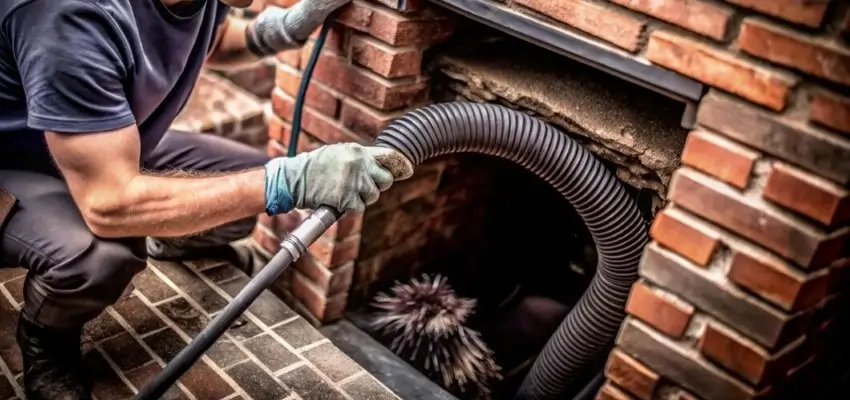
Chimney Cleaning that lifts soot and creosote in Langley

Careful Chimney Sweep for wood fireplaces and stoves in Langley
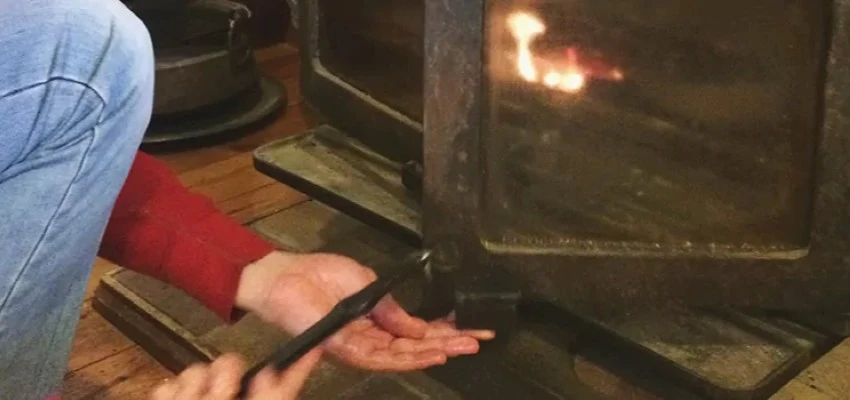
Flue brushing, damper checks, cleanup: Chimney Sweep Services in Langley

Ready for the season with Fireplace Experts in Langley
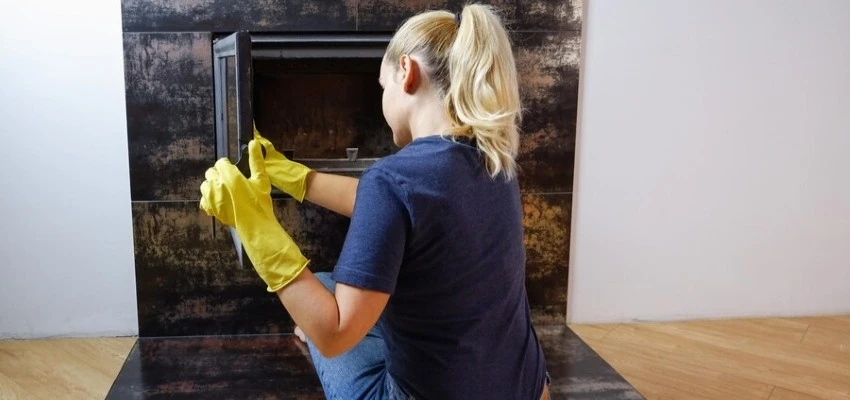
Logs lifted, embers reset: Gas Fireplace Cleaning near Langley
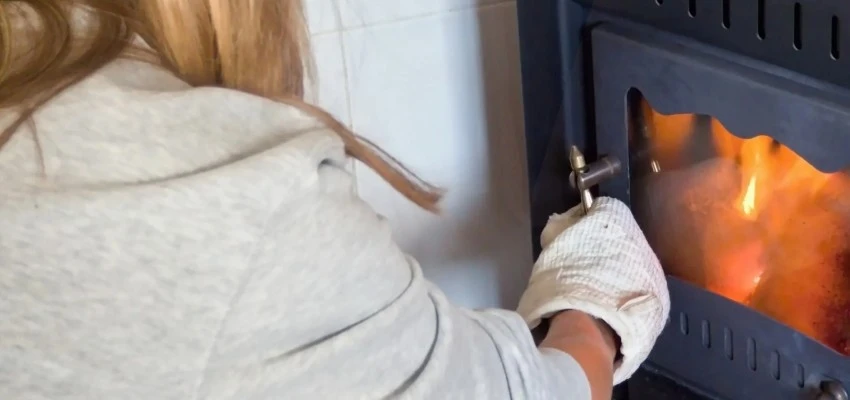
A record of every Gas Fireplace Maintenance visit

