
Some fireplace projects start with a wish for a fresh look; others start with a crumbling brick, a stuck damper or a smoky room. Either way, people around Langley who search for “fireplace refacing” tend to ask the same practical questions. This page answers them plainly, from what the work involves and how long it takes to how to prepare and what to ask before hiring anyone, so you can plan surround and hearth refacing with fewer surprises.

Far enough that heat never reaches the wood, and the exact figure comes from the fireplace manufacturer for factory-built units and from local rules for masonry ones. Projection matters: a deep mantel shelf needs more height above the opening than a slim trim piece. We measure before anything is ordered, because one of the most common problems we correct is a mantel installed too low on an otherwise sound fireplace. Long exposure to heat can darken and dry out wood well before it ever burns, so a scorched underside is a sign the distance is too short.
Common refacing materials include natural or manufactured stone veneer, ceramic and porcelain tile, thin brick, plaster or stucco finishes and painted or limewashed existing brick. The area right around the opening needs noncombustible materials suited to the heat, while wood trim and mantels must sit farther back, as the fireplace manufacturer or local rules require. Each material affects weight, cost and upkeep: natural stone is heavy and may need extra support, tile is easy to clean and paint is the quickest refresh. Samples viewed in your own room’s light make the choice easier.
Often, yes. Sound, clean brick can usually take tile, thin stone or a plaster finish directly, once it is cleaned, any loose mortar is repaired and a bonding layer or backer is added where needed. Painted or glazed brick may need extra preparation so new adhesive grips. Heavy natural stone may need support at the base or ties into the wall. Tearing out the old surround is necessary when the brick is crumbling, badly out of plumb or hiding damage. A contractor should check the surface first and explain whether an overlay or removal makes more sense for your fireplace.
Yes, and doing both at once usually gives a more unified look. A hearth can be covered with tile, stone slab or thin brick, or rebuilt as a raised or extended hearth. The material must be noncombustible and able to cope with heat and the occasional dropped log or ember. Watch the height change: adding thickness to a floor-level hearth can create a small step that is easy to trip on, while a raised hearth may need new support underneath. The hearth extension in front of a wood-burning fireplace also has to keep its protective depth. Ask about these details when planning surround and hearth refacing.
It should not change how the fireplace burns, because the firebox, damper and chimney stay as they were. What can change is fit: a thicker surround may affect how glass doors or an insert surround panel sit against the face, and a deeper hearth can alter clearances to the mantel. Good planning measures these before materials are ordered. Refacing is also a chance to fix problems you could not reach before. If your “fireplace refacing” project uncovers loose firebricks or a gap between the firebox and the surround, have those repaired so the new face is not hiding a problem.

Sometimes, and it is a question worth settling at the planning stage rather than afterward. Heat rising from the opening is the main concern, especially above a wood fireplace with no mantel to deflect it. During planning, we look at the fireplace type, the mantel depth and what the manufacturer allows above the unit. We also plan the mounting: lag bolts into framing or anchors into solid brick, and a recessed box for cables so nothing runs across warm stone. The last question is comfort, since a screen mounted high can strain the neck. We help homeowners weigh both.
Keep up the basics: have the chimney and fireplace inspected once a year and swept when needed, burn only dry, seasoned wood and keep the damper closed when the fireplace is not in use, unless it serves gas logs that need it open. Clean new stone or tile with products suited to the material, since harsh cleaners can stain or etch them. Avoid hanging heavy items from a new mantel unless it was built for that load. Check the firebox walls now and then for new cracks. A small problem caught early, like a single loose firebrick, is a quick fix rather than a project.
Choose a contractor who inspects before quoting, explains the plan in plain language and shows photos of similar finished work. Fireplace projects mix trades, so ask who does the masonry, who handles any gas work and whether a qualified gas technician is involved for conversions. A written quote should list materials, curing or waiting time and how surprises are handled. Read recent reviews for comments on tidiness, communication and whether jobs finished on schedule. Be wary of anyone who wants to cover a damaged firebox or smoke chamber with a new finish without fixing it.
Compare quotes line by line rather than by the total. Each should describe the same scope: what is removed, what is repaired, what new materials go in and who handles any gas, liner or venting work. Look for the material types, the finish details, protection and cleanup, disposal of old materials and any permit costs. Check how hidden damage would be priced if it turns up. A quote that looks much lower may simply leave out repairs another contractor included. Ask each company to explain anything vague before you decide.

You do not need to know the right terms before you call. Describe the problem in your own words and we will translate it into a plan for your fireplace. Reach us at (778) 909-9614 or ask for a quote online, whichever is easier for you.
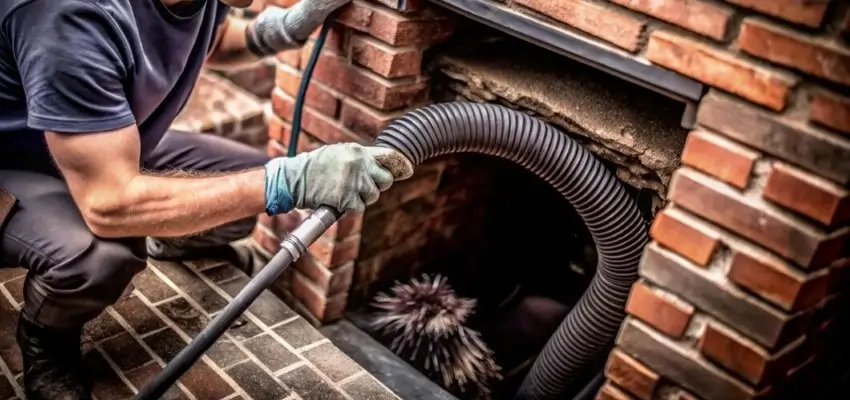
Chimney Cleaning that lifts soot and creosote in Langley
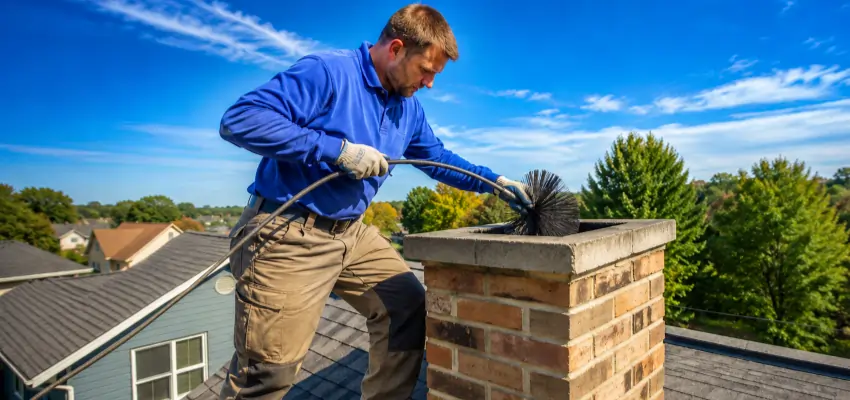
Careful Chimney Sweep for wood fireplaces and stoves in Langley
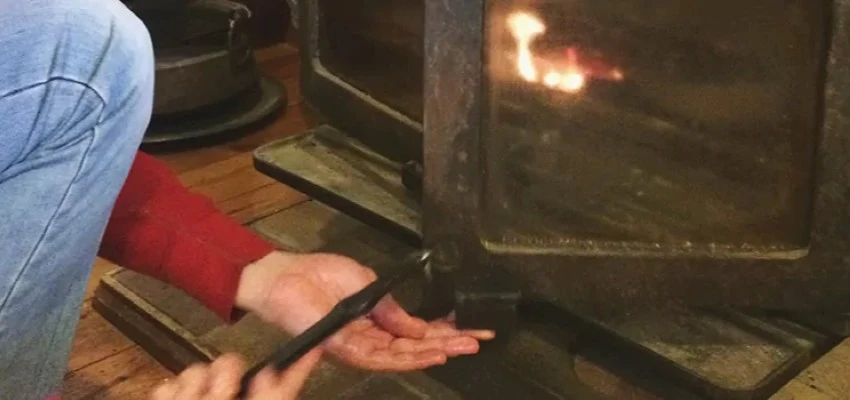
Flue brushing, damper checks, cleanup: Chimney Sweep Services in Langley
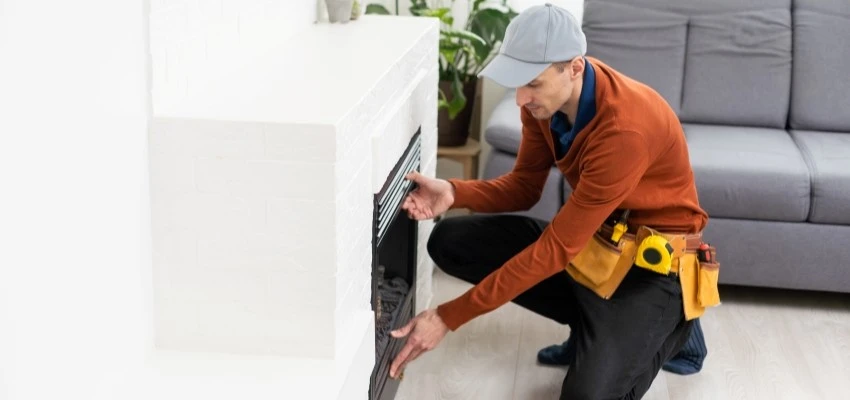
Ready for the season with Fireplace Experts in Langley
Logs lifted, embers reset: Gas Fireplace Cleaning near Langley
A record of every Gas Fireplace Maintenance visit

