
Some households light a fire every evening all winter; others use theirs a handful of times a year. Both need attention, just on a different schedule. Whatever your routine, if you have been looking up “fireplace repair”, this page explains fireplace repair in a way that fits real homes around Langley, from what wears out first to how often a technician should take a look at your fireplace.

Repair work covers the parts that hold and guide the fire: the firebox and its firebrick, the mortar joints, the damper, the smoke chamber above it, the hearth and surround, and fittings such as glass doors and screens. Many companies also handle the chimney top, including the cap and crown, since water entering there often causes damage below. Factory-built units have their own parts, such as refractory panels and metal flue sections. When you book fireplace repair, describe what you have noticed so the visit focuses on the right area from the start.
Creosote is the dark residue that forms when wood smoke cools and condenses inside a chimney or stovepipe, and it matters because it burns. It starts as dry, flaky soot, can thicken into a crunchy or sticky tar and at its worst becomes a hard, shiny glaze. A thick layer can ignite and cause a chimney fire. Creosote builds faster when wood is damp, when fires smolder with too little air and when the flue stays cold, as it often does in a chimney on an outside wall. Burning dry wood with a lively flame and having the flue swept when buildup appears keeps it under control.
Cracked tiles are replaced one at a time when the base underneath is sound, and that base is the first thing we check. A single crack from a dropped log is a simple swap: we cut out the grout, lift the broken pieces, clean the bed and set a replacement using materials rated for the heat near a fire. Several cracks running in a line usually mean the hearth slab has shifted or the substrate is failing, and swapping tiles alone will not hold. Near the opening we avoid ordinary household tile adhesives, which can break down with heat and leave tiles loose again.
In most cases, yes. Firebox, damper and smoke chamber repairs are done through the fireplace opening, and chimney top work is done from the roof, so the surround and mantel usually stay where they are. The surround comes off only when the damage sits behind it, such as a cracked hearth slab, heat-damaged framing or a gap between the firebox and the facing that cannot be reached otherwise. If someone suggests removing it, ask to see why. Careful fireplace repair work protects the finished surfaces with covers and tape while the job is underway.
A rebuild makes sense when patching would only buy a little time, and the telltale picture is easy to recognize: open joints across the back wall, bricks that shift when pressed and old repair mortar flaking away in layers. The work starts with careful demolition, taking out the damaged firebrick while protecting the damper and smoke chamber above. We check the masonry behind for heat damage, then set new firebrick with thin joints of refractory mortar, keeping the original shape so the fire draws as before. Factory-built fireplaces are different: they use refractory panels, replaced with parts made for that unit.

The repairs wood-burning fireplaces need most often are replacing damaged firebrick, repointing worn mortar joints, fixing or replacing the damper and repairing the chimney cap or crown. Firebrick cracks and joints erode after many fires, which can let heat reach the surrounding structure. Throat dampers rust, warp or seize, and many are replaced with a damper mounted at the top of the chimney. Caps blow off, and crowns crack and let water in. Hearth tiles, glass doors and screens need attention now and then as well. Most of these jobs are fixed in a single visit.
Fireplace repairs range from a single visit to several days, and the hands-on time is often shorter than the waiting around it. Replacing a damper or a few firebricks fits into one appointment. A full firebox rebuild or crown repair may take a day or more of work, and roof jobs depend on calm, dry weather. Then comes cure time, since refractory mortar and crown materials need to set properly before they face heat or rain. We give homeowners a realistic window for the whole project, including the wait before the first small fire, so nobody plans a cozy evening too early.
It varies with the material, and we give every customer a specific answer before we leave. Mortar holds moisture after it is laid, and a roaring fire drives that water out too fast, which can crack fresh joints or pop new firebrick. That is why we suggest waiting through the full cure period and then building a few small, short fires to bring everything up to temperature gradually. Stove repairs follow the same idea on a smaller scale: a new rope gasket, for example, settles in over a couple of gentle burns. Caps, screens and dampers can be used immediately.
Evidence is how you tell: a repair that is truly needed can be shown in photos or footage and explained in plain words. We never mind being the second opinion, and we are happy when homeowners get one on our own quotes. A solid quote breaks the job into steps, lists materials and says what happens if more damage turns up once work begins. When a recommendation feels like a lot, ask what would happen if you waited a season. A straight answer to that question, with the risks spelled out, is one of the clearest signs of a trustworthy quote.

The weeks before heavy use are the calmest time to deal with your fireplace. Appointments are easier to find and any repair can be planned without pressure. Book fireplace repair in Langley while your calendar still has room.
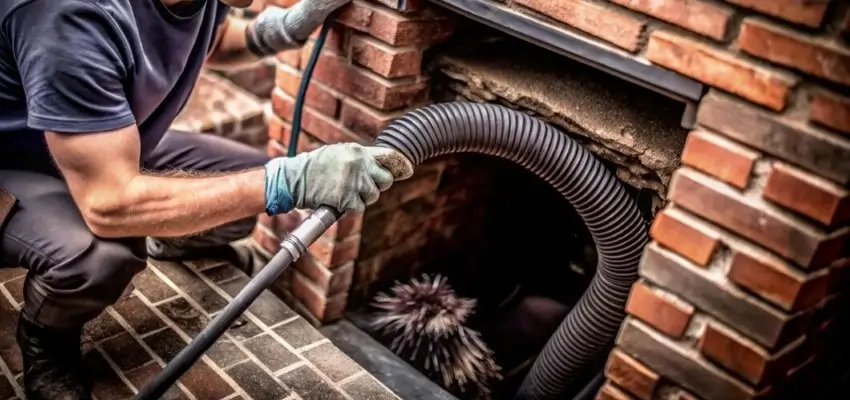
Chimney Cleaning that lifts soot and creosote in Langley
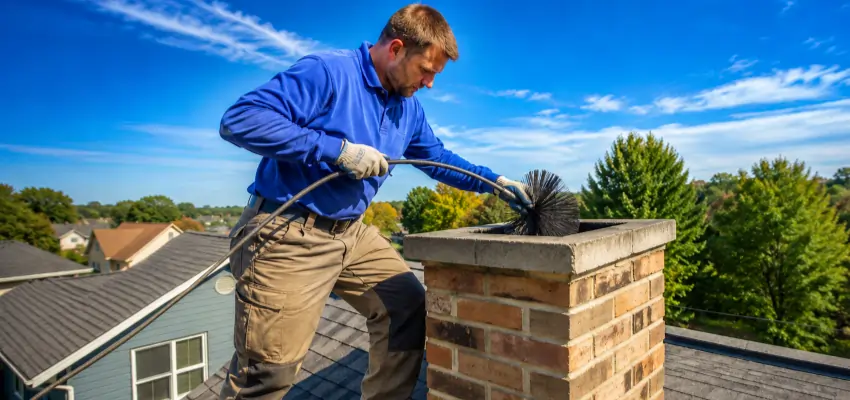
Careful Chimney Sweep for wood fireplaces and stoves in Langley
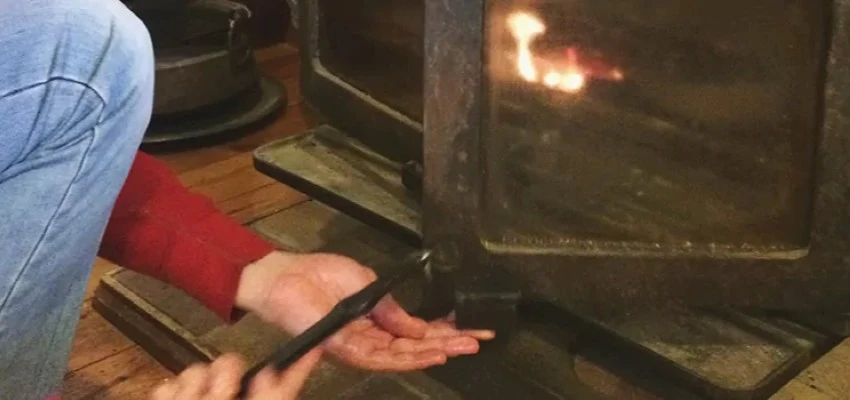
Flue brushing, damper checks, cleanup: Chimney Sweep Services in Langley
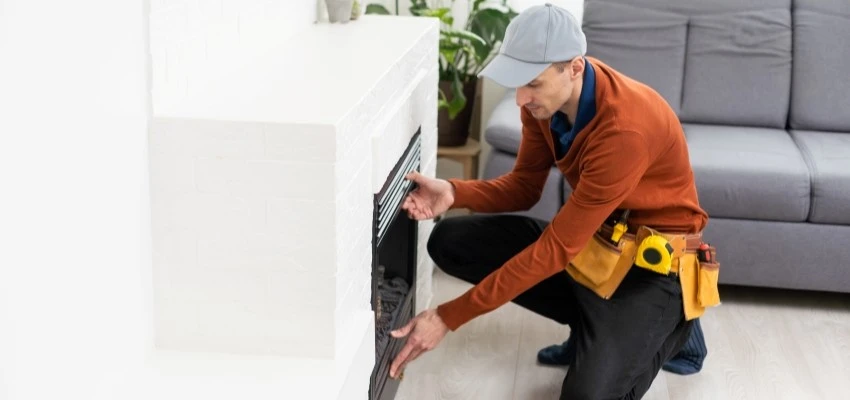
Ready for the season with Fireplace Experts in Langley
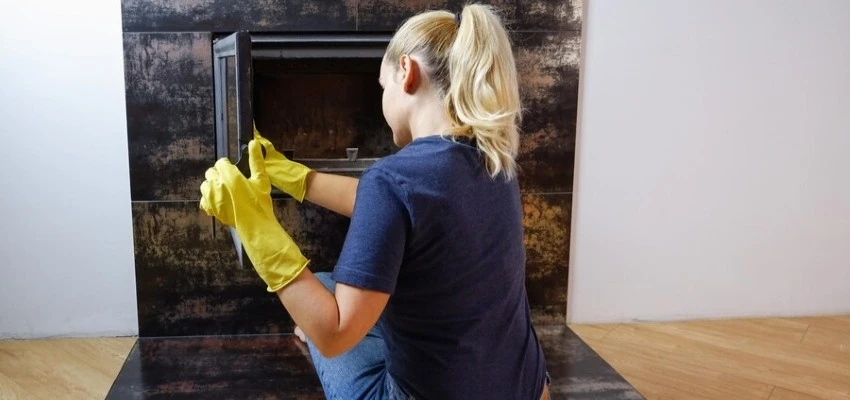
Logs lifted, embers reset: Gas Fireplace Cleaning near Langley
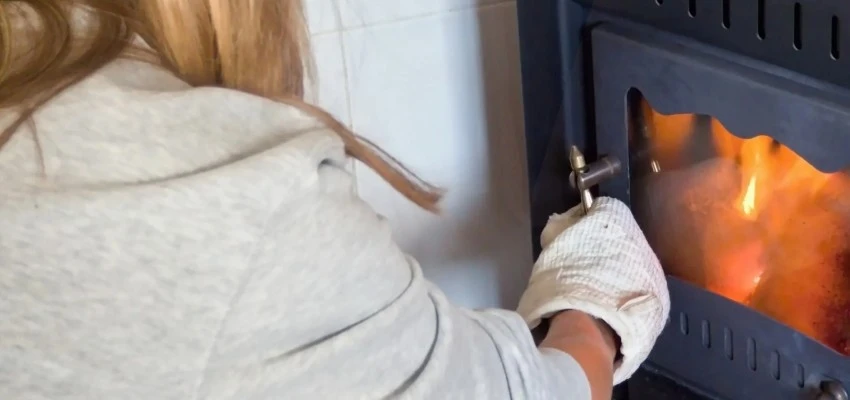
A record of every Gas Fireplace Maintenance visit

