
The months when a fireplace sits unused are often the easiest time to work on it. Masonry needs time to cure, materials may need ordering and nobody wants a half-finished hearth when the weather turns cold. If you searched for “fireplace restoration” while planning ahead, the answers here help households in Langley map out hearth and firebox restoration, from the first inspection to the first fire afterward.

We lean toward restoration whenever the bones are good. Original fireplaces in older homes were often built with care, and their brickwork, tile insets or cast iron fronts are hard to reproduce. Restoring them means rebuilding what has failed out of sight, like eroded firebrick and a deteriorated smoke chamber, and conserving what makes the fireplace distinctive. Replacement enters the conversation when the firebox has shifted or cracked through, when earlier repairs used the wrong materials throughout or when the layout simply cannot be made safe. Either way, you should see the evidence before deciding.
In an older home, fireplace restoration means bringing the original fireplace back to safe working order while keeping the features that give it character. That can involve rebuilding a worn firebox, repairing the damper and smoke chamber, lifting long-built-up soot from brick, resetting original tiles and refinishing cast iron or wood. The aim is authenticity as well as safety, so materials are matched as closely as possible. If you searched for “fireplace restoration” because the fireplace came with the house and its history is a mystery, an inspection will show what can be saved and what must be rebuilt.
Usually, yes, as long as the structure behind the visible parts is sound. A fireplace that drafts well and has a solid firebox can often be refreshed or repaired with far less disruption than a full replacement, and the room gains a working focal point again. The value depends on the condition of the masonry, the damper and the chimney, how often you plan to use it and whether the work fixes a safety issue or is mainly cosmetic. Start with an inspection, then choose between cosmetic, repair and conversion work with a clear picture of what each involves.
The problems that concern us most are the ones that let heat or smoke go where they should not. Open cracks in the firebox, mortar joints washed out deep enough to catch a fingernail, a smoke chamber shedding chunks onto the smoke shelf and a damper plate rusted through all fall into that group. Cosmetic issues, like hairline crazing in a tile surround or a scuffed mantel, can be planned around your schedule. When homeowners send photos, we usually ask for three: the firebox walls, the view up past the damper and the outside of the chimney.
Fireplace doors and screens need repair when glass is cracked, doors no longer close or latch, hinges sag, mesh screens tear or the frame has pulled away from the opening. Cracked glass should be replaced before the next fire with glass made for fireplace use, not ordinary window glass. Gaps around the frame let warm room air escape when the fireplace is off. Warping usually comes from very hot fires with the doors closed. Most frames, hinges, handles and mesh panels can be repaired or replaced without changing the whole set.

We repair a firebox brick by brick before considering a rebuild. Joints are raked back to sound material and refilled with refractory mortar, pressed in tight so no voids remain. Damaged firebricks are chiseled out without disturbing their neighbors, and new ones are set to match the pattern. Surface flaking on an otherwise sound brick can sometimes be left alone. If a whole panel has shifted or the back wall leans toward the fire, we rebuild that section, which is still far less work than a new firebox. Patching compound smeared over cracks is not a lasting repair, so we avoid it.
A careful crew protects the room with drop cloths, plastic sheeting and tape before any cutting, chipping or grinding starts. Masonry and tile work create fine dust, so the fireplace opening is often sealed and a vacuum with fine filtration runs during the dustiest steps. The flooring in front of the hearth and the path to the door should be covered too. Expect some noise and a little dust despite the precautions, especially if old mortar or a surround is being removed. Ask how cleanup is handled at the end of each day and once the job is done.
Often it can, because cast iron rusts on the surface long before it fails. Period fronts, decorative inserts and summer covers are usually taken apart, stripped of old paint and rust, and finished with a graphite polish or a heat-tolerant coating that suits the original look. Hairline cracks in a front that sits away from direct flame can sometimes be repaired by a specialist, while a section that has split through, or a missing piece, may be replaced with a casting made to match. The firebox and damper behind the front still need checking, since a handsome front does not make an unsafe opening usable. Ask about both when planning hearth and firebox restoration.
Clear the area around the fireplace well beyond the hearth: furniture, rugs, artwork above the mantel, screens, tools and anything on the mantel shelf. Stop using the fireplace a day or two before so the firebox is cold, and remove ashes if the crew asks you to. Plan a clear path from the door to the room and a spot to stage materials, such as a garage or driveway. If you are choosing finishes, have samples approved before the start date. Keep pets and children away from the work area and agree on where the crew can wash tools.

Some questions are easier to answer in a quick call than in a form. Phone (778) 909-9614 and tell us about your fireplace. We will explain the options, give you a sense of timing and book a visit in Langley if you decide to go ahead.
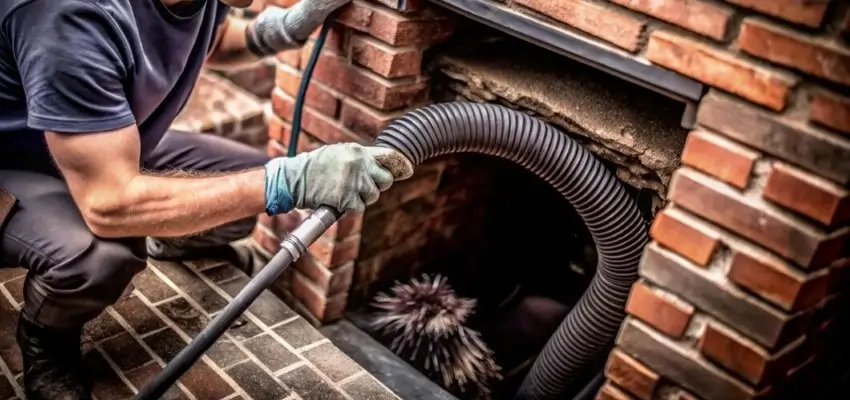
Chimney Cleaning that lifts soot and creosote in Langley
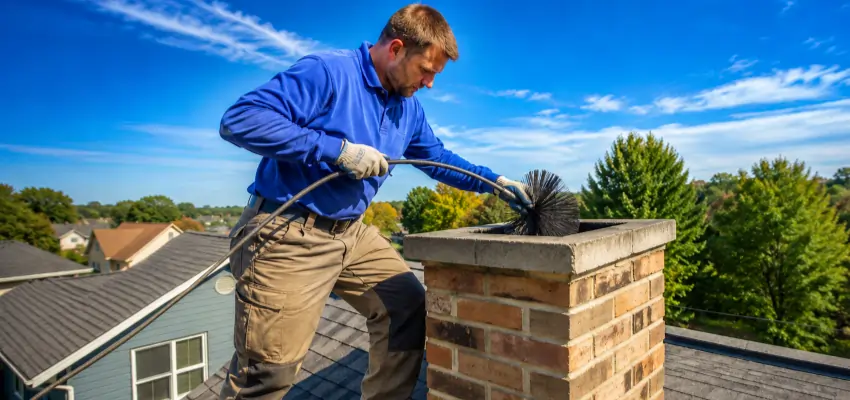
Careful Chimney Sweep for wood fireplaces and stoves in Langley
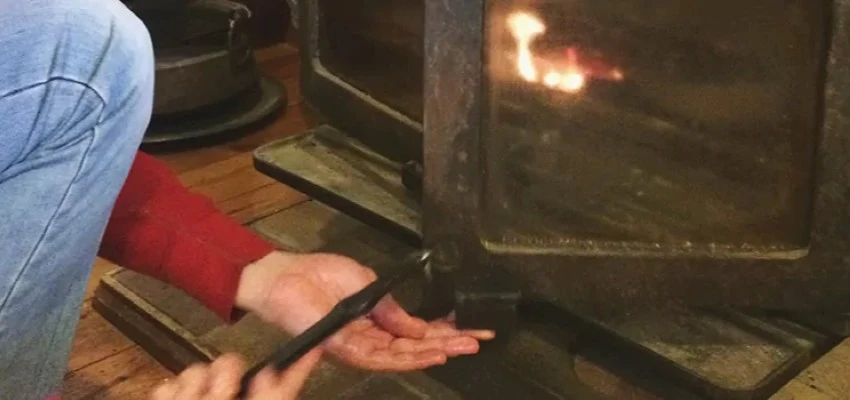
Flue brushing, damper checks, cleanup: Chimney Sweep Services in Langley
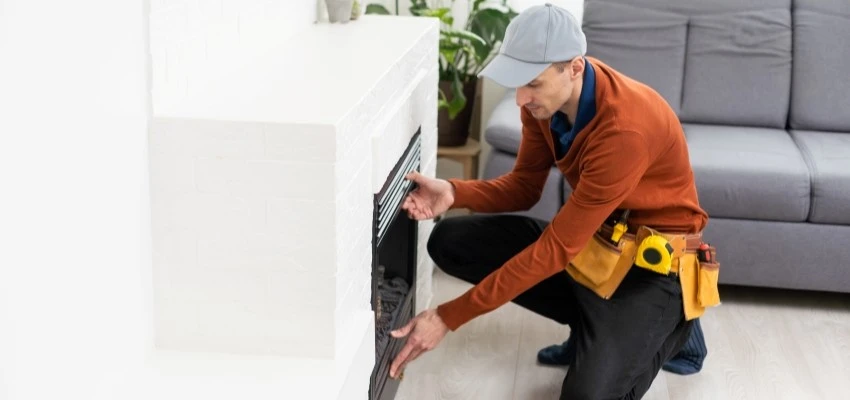
Ready for the season with Fireplace Experts in Langley
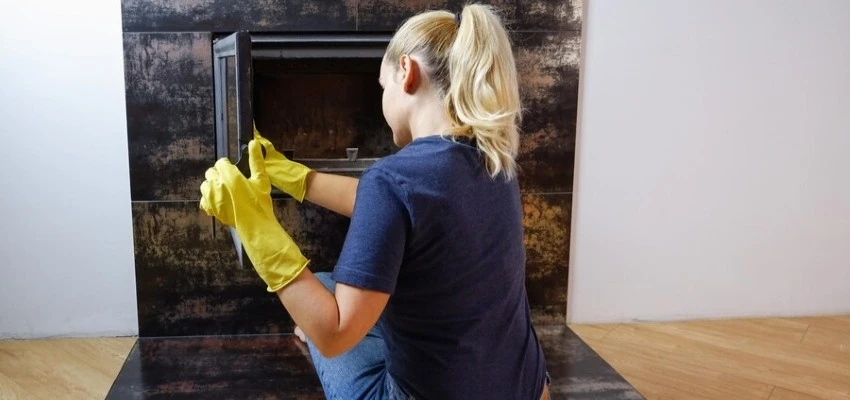
Logs lifted, embers reset: Gas Fireplace Cleaning near Langley
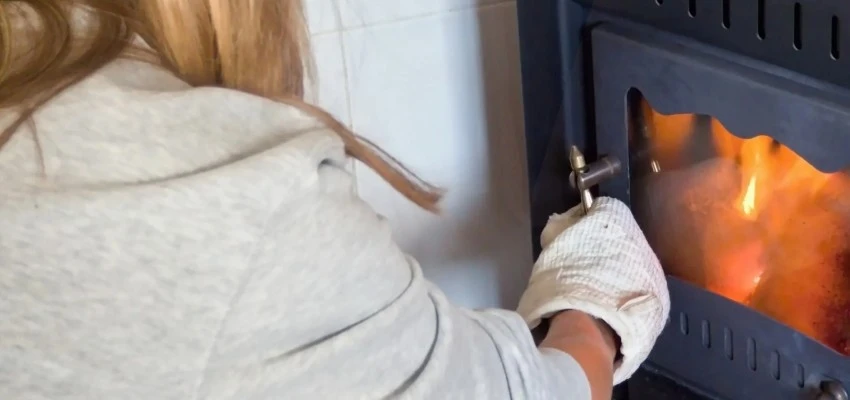
A record of every Gas Fireplace Maintenance visit

