
Fireplace work sits where looks and safety meet. A new surround has to cope with heat, a repaired firebox has to contain fire and every change has to leave the smoke a clear path out. If “fireplace restore & refurbish services” brought you here, the following answers give homeowners in Langley a grounded view of fireplace restoration and refurbishing: what is involved, what can go wrong when corners are cut and how to prepare for a smooth job.

Remodeling changes how a fireplace looks or what it burns, while repair restores parts that have worn out or been damaged. Refacing, a new mantel or a wood-to-gas conversion are remodeling jobs. Fixing cracked firebricks, a stuck damper, a deteriorated smoke chamber or rusted metal parts is repair. Many projects include both: a makeover often uncovers damage that should be fixed while the area is open, and a repair can be a good moment to update the finish. Knowing which kind of work you need helps you find the right people and compare quotes fairly.
Restoring aims to return a fireplace to its original condition and character, while refurbishing renews it, which can include updates the original never had. A restoration might rebuild a firebox with matching brick and reset original tiles; a refurbishment might keep the structure but add new doors, a fresh surround finish or a modern insert. Many projects blend the two: authentic where it matters, updated where it helps. When you look up “fireplace restore & refurbish services”, decide which parts you want preserved and which you are happy to change, since that shapes every quote.
An inspection comes first because it shows whether the fireplace is safe to use and sound enough for the planned work, so you do not spend money on a new face over a failing core. A technician typically checks the firebox walls and floor, the damper and throat, the smoke chamber, the flue and the clearances around the opening, often with a camera for the hidden parts. If problems turn up, they can be fixed before finishes go on, when access is easiest. It is a sensible routine on its own too: many homeowners have the fireplace and chimney inspected once a year.
Restoration typically begins with an inspection and cleaning, then moves from the inside out. Damaged firebricks and mortar joints are repaired with refractory materials, the damper is freed or replaced and the smoke chamber is repaired if needed. Next come the visible parts: brick or stone is cleaned with methods gentle enough for its age, original tiles are reset or matched, metal fronts and doors are cleaned and refinished and the mantel is repaired. The goal is a fireplace that works safely and looks like itself again, not like something new.
The working time is usually shorter than the calendar time. A damper or firebrick repair may take a few hours, and a surround can be refaced in a few working days, but mortar and adhesives need curing time and gas work needs scheduling and testing. Materials are the other variable: custom stone, a made-to-order mantel or an insert can take weeks to arrive. We give homeowners two dates when we plan: when work starts and when the fireplace can be used again. For most families the second date matters most, especially heading into the colder months.

Original fireplace materials are often no longer made. Antique tiles, handmade brick, specific stone and old cast iron pieces may have to be sourced from salvage yards or specialist suppliers, or reproduced to order, and each route takes time. Mortar color also needs testing so new joints blend with old ones. Planning for these lead times keeps the job from stalling halfway. A good contractor will tell you which items are easy to source and which may take weeks, and suggest alternatives if a perfect match is not available. Ask about lead times when you request fireplace restoration and refurbishing quotes.
Sometimes, and the deciding factors are gas, structure and venting. Cosmetic work on the outside of the fireplace rarely triggers a permit. Connecting a gas line, installing an insert with a new liner or rebuilding part of the firebox or chimney often does, depending on the rules where the house sits. Whoever does the work should know which applies and say so clearly in the quote. If a permit is needed, ask who will apply, who will be present for any inspection and whether the price includes it. Skipping this step can cause trouble later, for example when you sell the house.
Keeping water away is nearly the whole game, because almost every badly rusted damper we replace traces back to it. Missing or damaged chimney caps, cracked crowns and condensation in unused chimneys feed moisture down onto steel and cast iron. Ash left in the firebox over a humid summer acts like a sponge. We recommend a cap, a yearly look at the damper and clearing out ashes at the end of the season. Surface rust on doors or grates responds well to a wire brush and stove paint, but rust that has eaten through a damper plate or firebox panel means replacement.
Local contractors know the housing stock, the common fireplace designs and the suppliers nearby, which makes planning and follow-up easier. Builders in the same neighborhoods often used similar fireboxes, dampers and surrounds, so a company that works the area has usually seen your setup before. Nearby crews can also return quickly when a project spans several visits for curing or materials. Before hiring, confirm the company works in your area directly, ask for local examples of similar work and check how it handles questions after the job is done.

When we know what to expect, we can usually plan everything for a single appointment. Share a few details about your home and your fireplace ahead of time. Plan fireplace restoration and refurbishing with Chimney Sweep Langley and keep the disruption small.
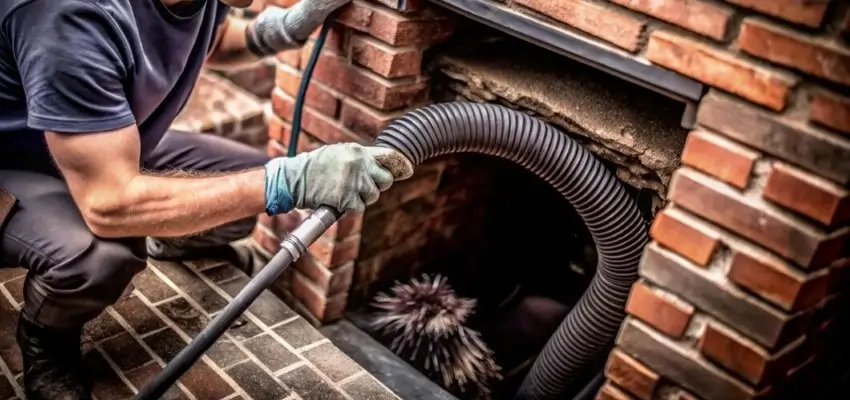
Chimney Cleaning that lifts soot and creosote in Langley

Careful Chimney Sweep for wood fireplaces and stoves in Langley
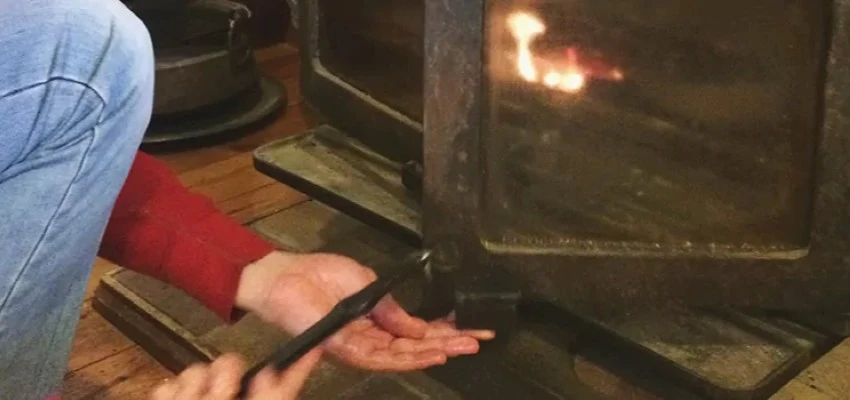
Flue brushing, damper checks, cleanup: Chimney Sweep Services in Langley
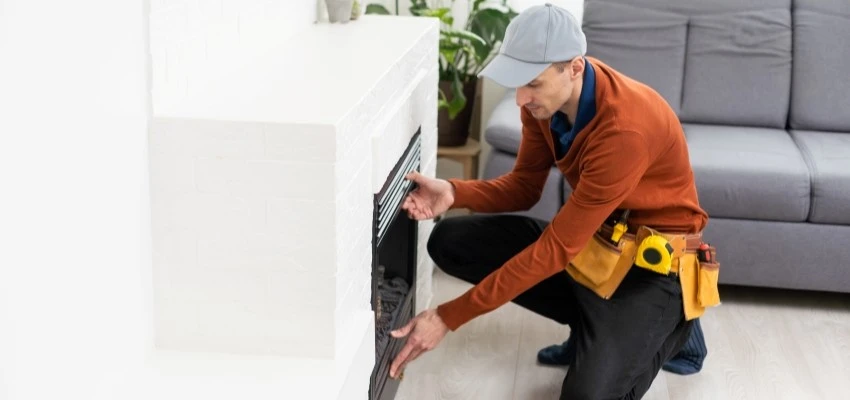
Ready for the season with Fireplace Experts in Langley
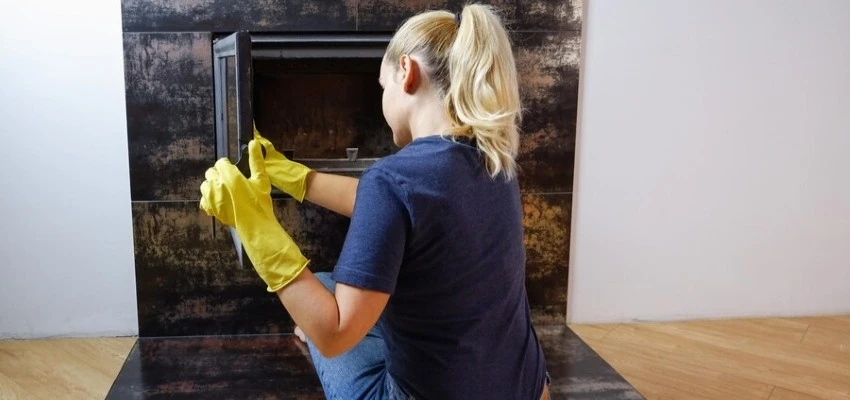
Logs lifted, embers reset: Gas Fireplace Cleaning near Langley
A record of every Gas Fireplace Maintenance visit

