
Wood heat is simple in principle: the fire burns in the box and the smoke rises up the chimney. Keeping it that simple takes a clean flue, sound masonry and parts that seal the way they should. If “fireplace safety inspection” was your search, here is what households around Langley usually want to know about fireplace inspection, explained in a straightforward way, so you can decide what your own fireplace needs.

A sweep removes soot and creosote, while an inspection checks the condition of the fireplace or stove and the chimney it vents into. Cleaning tells you how much buildup there was; an inspection tells you whether everything is sound and set up correctly. Many homeowners book both together, because a clean flue is easier to examine and the technician can spot cracks, gaps or worn parts that the deposits were hiding. If you can only schedule one, start with an inspection, since it shows whether a sweep or a repair is needed at all.
The signs fall into two groups: what you hear during the fire and what we find after it. A fast chimney fire is often described as sounding like a freight train or a jet engine, with popping as tiles and deposits heat up. In that moment, the only job is to leave the house and call the fire department. Afterward, we look for creosote that has swelled into a honeycomb texture, discolored or distorted metal, cracked liner sections and stains where smoke escaped through gaps. Those clues matter because a quiet chimney fire can damage a flue without anyone noticing.
It should. Wood fires produce carbon monoxide, and anything that stops smoke from leaving the house raises the risk. During the inspection, the technician checks for blockages in the flue, gaps or cracks that let gases leak, a damper that does not open fully and signs of smoke spillage such as soot marks above the opening. They may also ask about kitchen and bathroom fans that can pull air down the chimney. Expect a reminder to keep carbon monoxide alarms working on every level and near bedrooms, and to replace them as the maker recommends.
During a fireplace sweep, the technician cleans the full smoke path from the firebox to the top of the chimney while keeping soot out of your room. A typical visit starts with drop cloths and a sealed opening, with a vacuum running to hold fine dust back. Brushes on flexible rods are then run through the flue, from below, from the roof or both. The smoke shelf and smoke chamber above the damper are cleared, the damper is cleaned and tested, and ash and debris are removed from the firebox. You should get a short summary of what was found.
Clean, sound and set up correctly: those are the three verdicts a fireplace inspection should reach. Clean means the level of creosote in the flue and smoke chamber. Sound means the firebrick, mortar, damper, liner, crown and cap are intact, with no cracks or gaps that let heat or smoke escape. Set up correctly covers clearances to mantels, trim and framing, a hearth extension that protects enough floor and a cap that keeps rain and animals out. Where we cannot see, a camera goes up the flue. The report puts each finding in plain terms, with photos.

One to two hours covers most cleaning and inspection visits we make, with the chimney deciding which end of that range applies. Setup and floor protection take a few minutes, brushing takes the bulk of the time, and clean-up plus a walkthrough close things out. Tall chimneys, steep roofs and several flues stretch the visit, as do thick layers that need extra passes or special tools. Repairs are their own matter: a damper handle may be fixed on the spot, while firebrick or crown work gets a separate appointment. Since time shapes the price, an accurate description up front helps everyone.
Ashes are cleaned out safely by waiting until they are cold, scooping them into a lidded metal bucket and taking that bucket straight outside. Cold ash only, every time; any warmth deep in the pile means it waits. Once outside, the bucket belongs on bare ground or concrete, where a surviving ember can do no harm. We have seen ash buckets left on wooden decks and in garages, which is exactly where they should not be. Daily stove users may empty the pan every day or two, and ash vacuums made for the job are an option once everything is fully cold.
If a fireplace does not pass an inspection, the technician has found something to fix before the next fire, and the report should say exactly what. Findings usually fall into three groups: issues that make the fireplace unsafe to use now, repairs to plan soon and items to watch. Stop using the fireplace for anything in the first group, such as cracked flue tiles, gaps in the firebox or a blocked chimney. Ask for photos, a written description and a repair quote for each item, and get a second opinion on major work if you want one.
Most fireplace safety comes down to daily habits. Use a screen or glass doors whenever a fire burns, never leave a fire unattended and make sure it is fully out before bed or leaving the house. Keep children and pets back from the hearth, and keep rugs, furniture and decorations a safe distance from the opening. Never use gasoline or other accelerants to start a fire. Keep a fire extinguisher nearby and test your alarms monthly. These habits work alongside a yearly “fireplace safety inspection” visit, which catches what you cannot see.

If you have never had this done before, it helps to know what to expect. We walk you through the visit, how long it usually takes and what you will see when we finish. Start with a quote and ask us anything along the way.
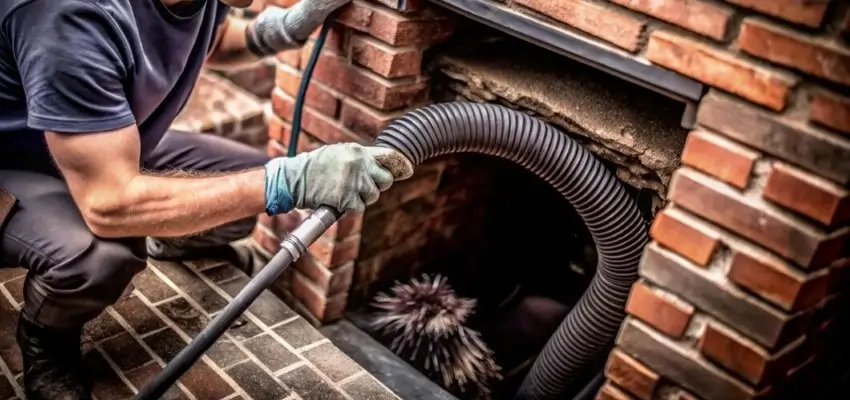
Chimney Cleaning that lifts soot and creosote in Langley
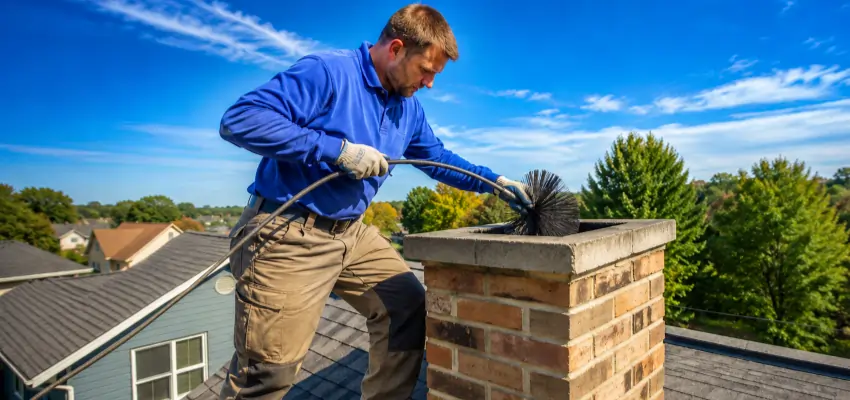
Careful Chimney Sweep for wood fireplaces and stoves in Langley
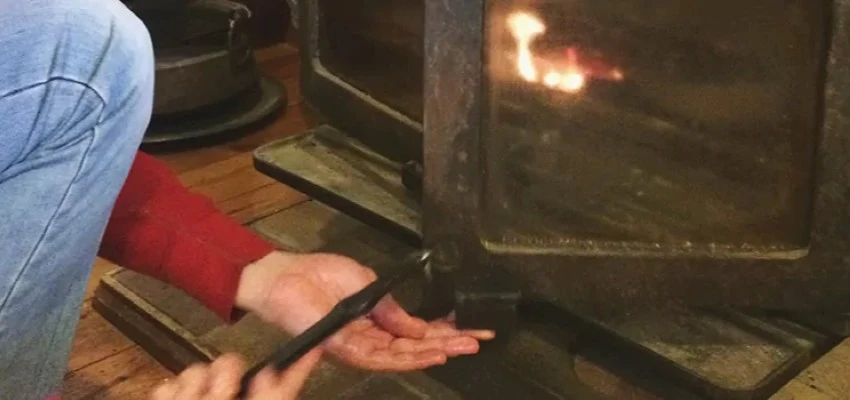
Flue brushing, damper checks, cleanup: Chimney Sweep Services in Langley
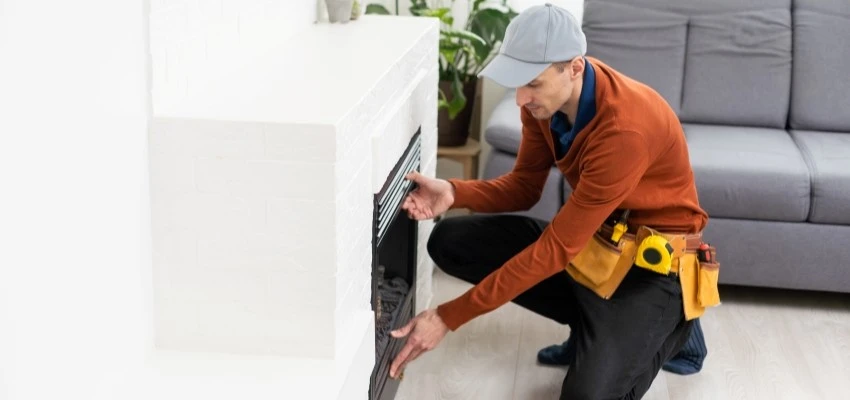
Ready for the season with Fireplace Experts in Langley
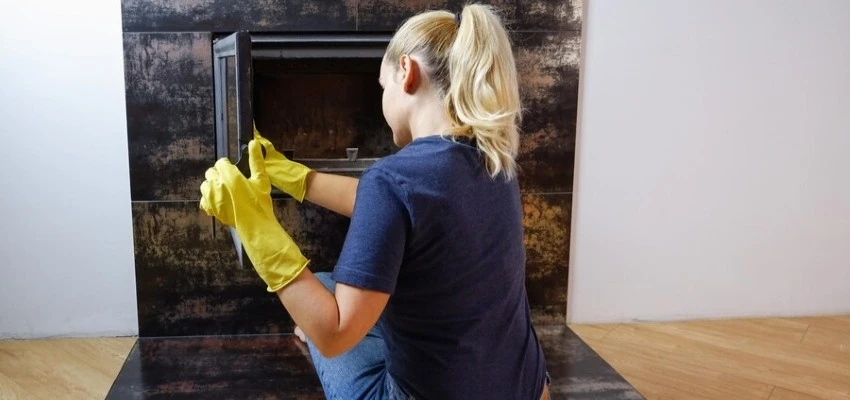
Logs lifted, embers reset: Gas Fireplace Cleaning near Langley
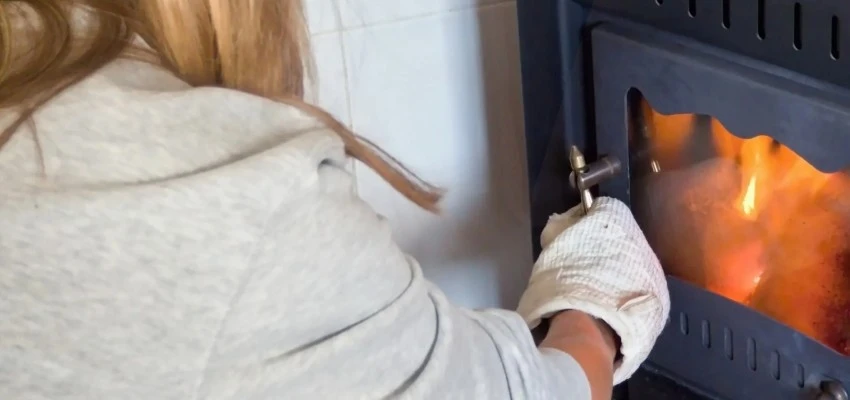
A record of every Gas Fireplace Maintenance visit

