
Knowing a little about how your fireplace works makes every conversation with a technician easier. Why does creosote form? Which parts wear out? What is worth fixing now? Those threads run through this page, written for homeowners in Langley who searched for “fireplace smell removal” and prefer to understand fireplace odor removal before deciding anything. Read it as a reference, whether or not you end up booking a visit.

Creosote is unburned fuel: tiny droplets of tar and gas that leave the fire, cool on the way up and stick to the flue walls. We grade it by texture on every job. A light, powdery coat brushes away easily. A thicker, flaky or bubbly layer takes more effort and tells us fires are running cool or the wood is wet. A glossy, glazed coating is the one that concerns us, because it is stubborn to remove and burns intensely if it catches. Where we find heavy deposits, we talk through wood and burning habits, since changing those is what slows the next round of buildup.
A wood-burning fireplace or stove needs regular care because every fire leaves residue behind, and that residue builds up where you cannot see it. Smoke cools as it rises and coats the flue with soot and creosote, which narrows the passage and can catch fire. Heat also slowly wears down mortar, firebrick, door seals and metal parts. Left alone for years, those small changes add up to poor drafts, smoky rooms and costly repairs. A yearly check, plus a sweep when buildup calls for it, keeps the fire drawing well and catches problems while they are still minor. Working smoke and carbon monoxide alarms complete the picture.
It can be, but only after a proper inspection and cleaning. A fireplace or stove that sits idle for years often collects things that make the first fire risky: bird or animal nests, leaves, fallen debris and old creosote in the flue, rust on the damper and cracks that formed as the masonry went through many seasons of heat and cold. Water may also have damaged the cap or crown. Have a technician inspect and clean the system, test the damper and look up the full flue before you light anything, so the first fire back is pleasant rather than smoky.
Smoke comes into the room when the chimney is not pulling air upward strongly enough, and the cause is usually one of a few things. The damper may be partly closed, the flue may be cold when the fire is lit, or a nest, debris or heavy creosote may be blocking the path. Strong kitchen or bathroom fans and very airtight homes can also pull air down the chimney. Open the damper fully and crack a nearby window when lighting the fire. If smoke keeps spilling, stop using the fireplace, have it checked and make sure your carbon monoxide alarms work.
Odor in warm months is one of the most common calls we get, and the cause is nearly always creosote reacting with humidity. Those deposits absorb moisture and release a stale campfire smell, which drifts indoors whenever the house draws air down the flue. We clean the flue to remove the source, check whether the damper seals and look at the cap, since rain soaking into soot makes things noticeably worse. In homes around Langley where the problem keeps returning, a top-sealing damper that closes at the very top of the chimney is often the change that settles it.

Each smell points to a different cause. A stale campfire smell, strongest in humid weather, usually means creosote in the flue. A musty or damp odor suggests water getting in through the cap, crown or masonry. A sharp, rotten smell can mean an animal has died in the chimney. A burning-dust smell on the first fire of the season is common and fades quickly. A chemical odor may come from new paint or parts curing after a repair. Matching the smell to its source is the first step in fireplace smell removal, since each one needs a different fix.
A smoky odor is handled by removing the creosote and soot that cause it, then stopping air from carrying what remains into the room. A thorough sweep of the flue and firebox is the first step and takes care of most of the smell. After that, a damper that seals properly, a cap that keeps rain off the deposits and glass doors on an open fireplace all help. Some homeowners leave a tray of baking soda or activated charcoal in the cold firebox during warm months to absorb lingering odor. A sharp or rotten smell points to an animal in the flue instead.
A careful sweep should leave little or no mess, because the soot is contained and vacuumed as the work happens. Expect drop cloths around the hearth, the fireplace opening or stove door sealed off and a vacuum running for much of the visit. A little fine dust can still escape when the damper is opened or stovepipe comes apart, so clear the mantel and move rugs and furniture back a few feet. If you have light carpet or upholstery nearby, mention it when booking. A good crew leaves the hearth cleaner than they found it.
They can mask it briefly, but they do not touch the source. Fireplace odors come from deposits, moisture or debris in the chimney, and air moving down the flue keeps carrying them into the room. Scented products simply add another smell on top, and candles placed in or near the fireplace bring their own fire risk. A lasting fix means cleaning out the deposits, stopping water from getting in and reducing the downdraft with a sealing damper or cap. Once that is done, the room usually smells like the rest of the house again.

We know most people are juggling work, family and errands. Let us know which days and times are easiest and we will try to match them. Choose a time for fireplace odor removal and the Chimney Sweep Langley team will confirm it with you.
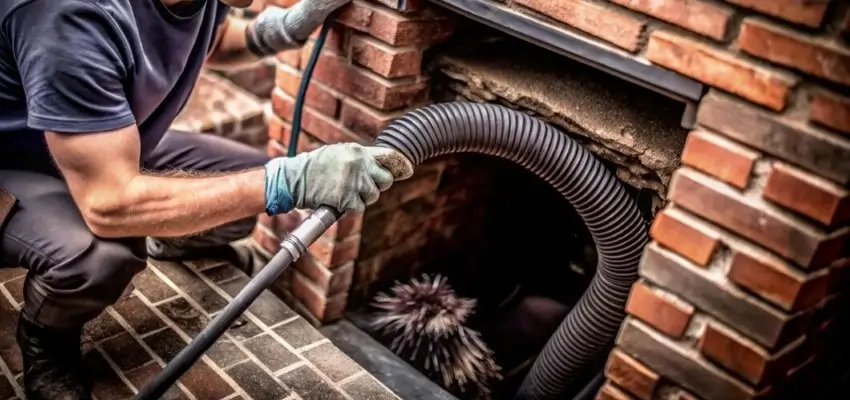
Chimney Cleaning that lifts soot and creosote in Langley
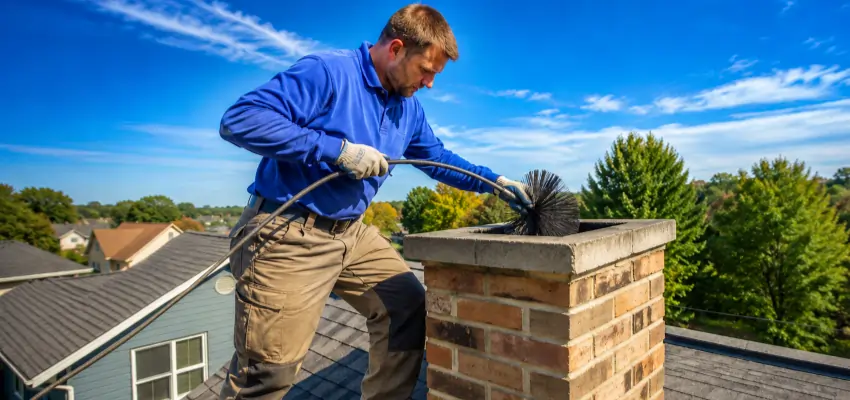
Careful Chimney Sweep for wood fireplaces and stoves in Langley
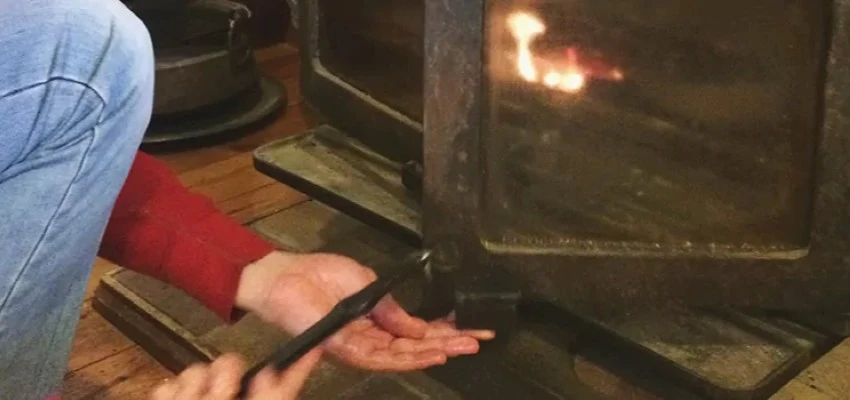
Flue brushing, damper checks, cleanup: Chimney Sweep Services in Langley
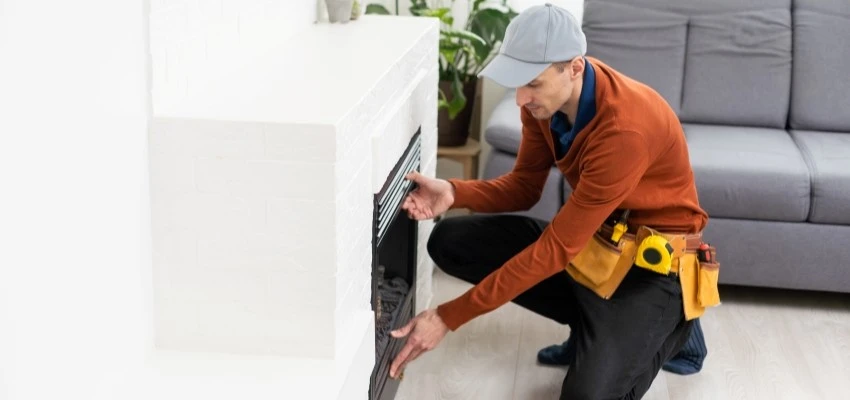
Ready for the season with Fireplace Experts in Langley
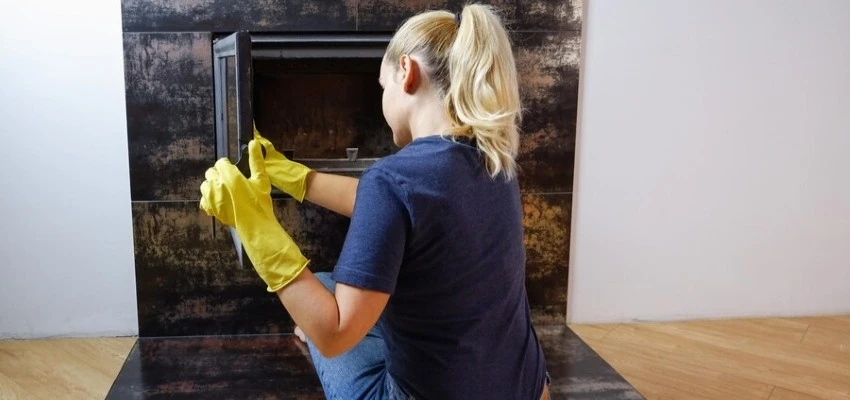
Logs lifted, embers reset: Gas Fireplace Cleaning near Langley
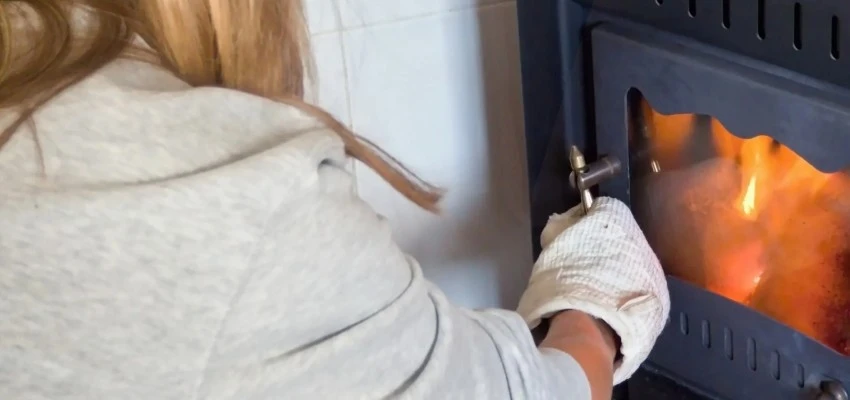
A record of every Gas Fireplace Maintenance visit

