
Short on time? The essentials of fireplace sweeping fit on a single page, and this is it. Each answer opens with the direct reply and then adds the practical detail homeowners in Langley tend to need: what causes a problem, what a visit fixes and what you can do between visits. If “fireplace sweep” is what you typed, start with the questions closest to your situation and skip the rest.

The term usually refers to cleaning the chimney flue above a fireplace, and sometimes to the person who does it. The work removes soot and creosote from the flue, the smoke chamber and the smoke shelf, then clears the firebox below. Many people search for “fireplace sweep” when they mean a chimney cleaning, and the two are essentially the same job for a wood-burning fireplace. A thorough sweep also includes a look at the damper and cap, since the technician is already examining the whole smoke path.
A proper cleaning includes the chimney, because that is where most of the soot and creosote collects. The firebox or stove interior is cleared of ash and loose debris, but the main work happens in the flue above it, along with the smoke chamber of a fireplace or the pipe that connects a stove. Some quick-clean offers stop at the visible parts, so ask what is included before booking. A complete job also looks at the cap at the top, works the damper and finishes with a vacuumed hearth, so the whole path the smoke travels has been covered.
Creosote is unburned fuel: tiny droplets of tar and gas that leave the fire, cool on the way up and stick to the flue walls. We grade it by texture on every job. A light, powdery coat brushes away easily. A thicker, flaky or bubbly layer takes more effort and tells us fires are running cool or the wood is wet. A glossy, glazed coating is the one that concerns us, because it is stubborn to remove and burns intensely if it catches. Where we find heavy deposits, we talk through wood and burning habits, since changing those is what slows the next round of buildup.
A fireplace or stove usually smells when it is not in use because creosote and soot in the flue give off odor, especially in humid weather. Moist summer air reacts with those deposits and makes the smell stronger, and rain coming down an uncapped chimney adds a damp, musty note. The house can make it worse: kitchen and bathroom fans or a running dryer can pull air down the chimney and into the room. A sweep removes most of the source, a cap keeps rain out and a tightly closing damper cuts the downdraft. A sharp, rotten smell is different and can mean an animal in the flue.
Very little soot should reach the room when the job is set up correctly. Soot is very fine and rides the slightest air current, so our setup is built around containment. Covers go down first, the opening is sealed, and a vacuum with fine filtration runs throughout, pulling air toward the equipment. Brushing loosens the deposits, which fall into the firebox to be collected rather than scattered. The messiest moments are usually dismantling a stovepipe or reaching past a stubborn damper, and we slow down there. Before packing up, we vacuum the hearth and check the floor around it.

We take care of the smell by removing its source first and then cutting off its path indoors. Cleaning removes most of the odor-producing deposits, including the sticky layer that builds up on the smoke shelf or behind a stove baffle. Then we look at why air is flowing down the chimney: a damper that does not seal, a missing cap letting rain soak the soot, or a house pulling air through exhaust fans. Fixes range from a new damper gasket to a top-sealing damper or a cap. Odor that survives all that sometimes comes from deposits soaked into the masonry, which may call for a deodorizing product applied by the technician.
Not usually in one pass. Glazed creosote is a hard, shiny coating that standard brushes tend to skate over. Removing it may take rotary tools with chains or carbide heads, chemical products that change the glaze into a brittle form that can be brushed off, or several visits spaced over a season. The approach depends on the flue type and condition, since aggressive tools can damage a weak liner. If a technician finds glaze during a “fireplace sweep” visit, expect a conversation about options, cost and why it formed, so it does not build up again.
Leave it largely as it is, apart from unburned logs and decorative pieces. We actually prefer to see the firebox before anyone tidies it, because what lies on the floor tells a story: black flakes suggest creosote breaking loose above, mortar crumbs point to joint wear and gritty debris can mean a crown or cap problem. Shoveling out warm ash is the one thing to avoid, since embers can survive in an ash bed for days. If the pile is overflowing and stone cold, removing some of it is perfectly fine.
The questions that reveal the most are about scope and evidence: what is cleaned, what is inspected, how findings are shared and how extra work is priced. It is also reasonable to ask who will do the work, whether they handle masonry repairs themselves and how long any repair would need before the first fire. Asking how they deal with glazed creosote or a stovepipe that has to come apart shows quickly whether they have done it before. A technician who knows wood-burning systems answers each of these in a sentence or two, without hedging or upselling.

If another company gave you a recommendation that does not feel right, we are happy to take a fresh look. You will get our honest view of your fireplace, with no pressure either way. Ask Chimney Sweep Langley for a second look in Langley.
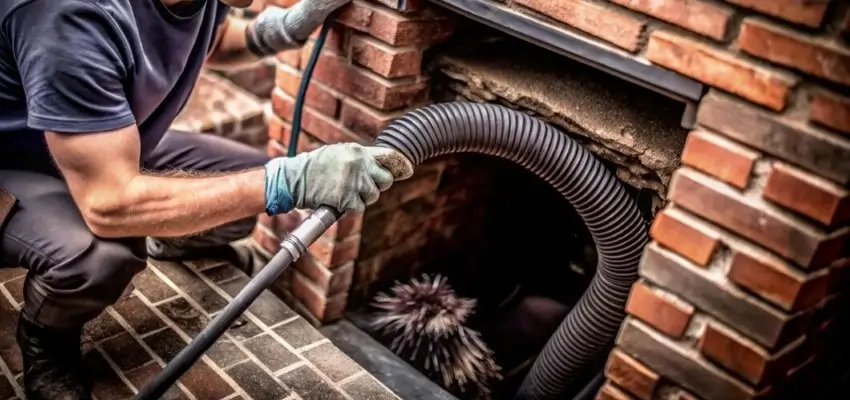
Chimney Cleaning that lifts soot and creosote in Langley
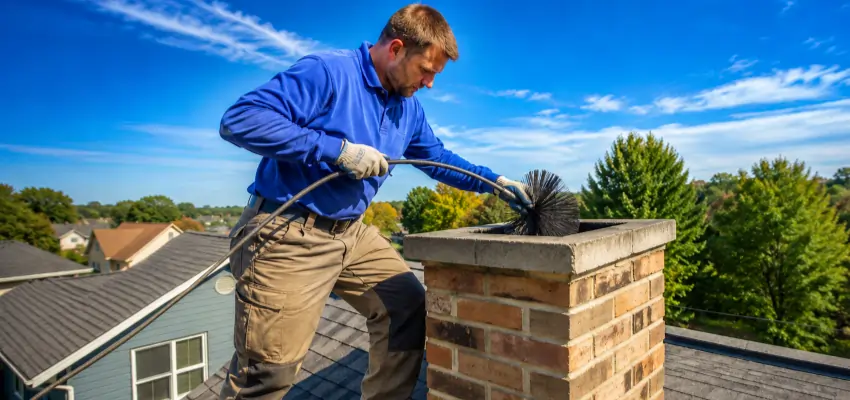
Careful Chimney Sweep for wood fireplaces and stoves in Langley
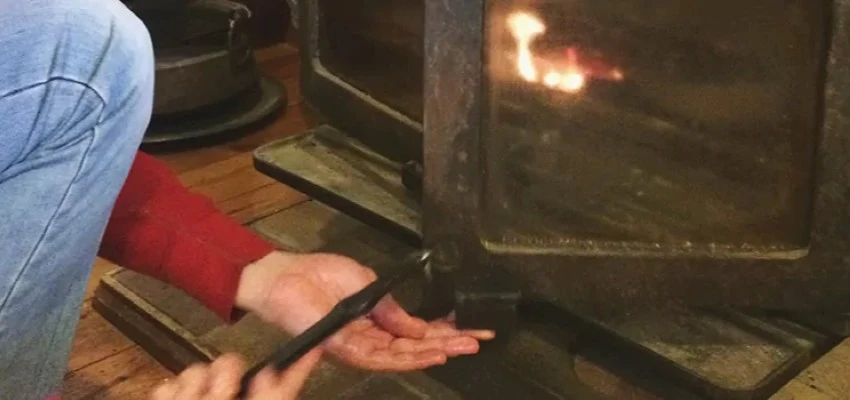
Flue brushing, damper checks, cleanup: Chimney Sweep Services in Langley
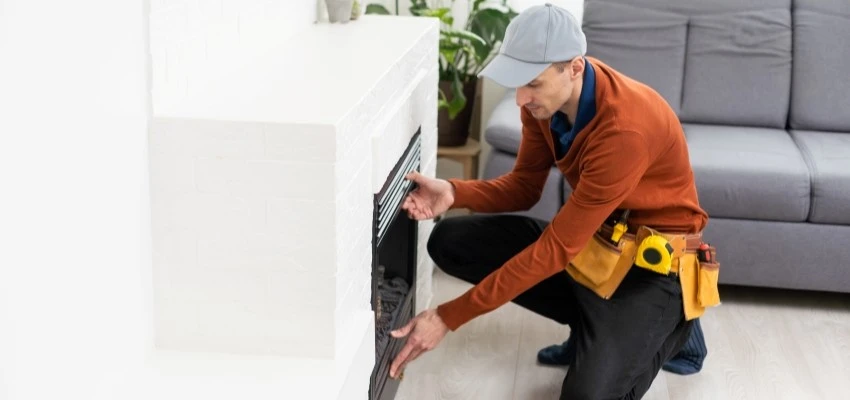
Ready for the season with Fireplace Experts in Langley
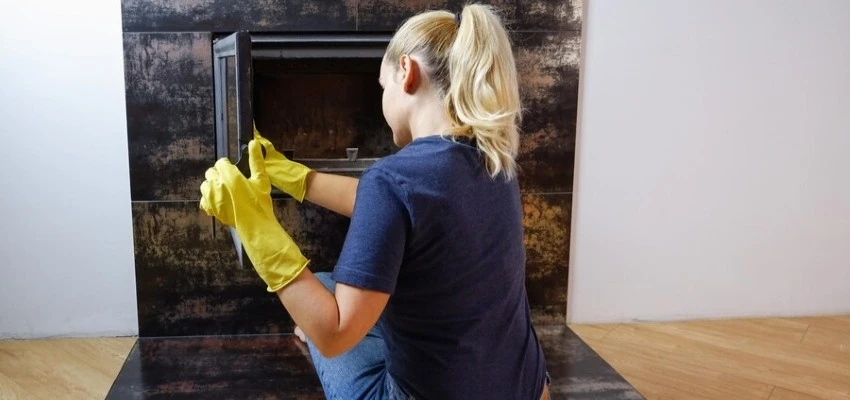
Logs lifted, embers reset: Gas Fireplace Cleaning near Langley
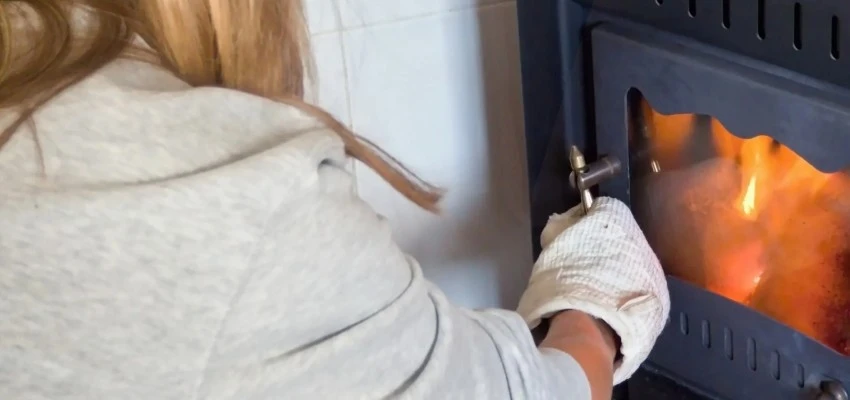
A record of every Gas Fireplace Maintenance visit

