
From the street, most chimneys look fine. The trouble, when there is any, usually sits inside the flue or at the very top where nobody looks: dark crusts of buildup, a cracked tile, a nest, a cap loosened by the wind. If you found this page by looking up “fix blocked chimney”, here is what owners in Langley should know about blocked chimney clearing, explained clearly and without exaggeration so you can decide what your chimney needs.

Soot is dry carbon and creosote is a tar-based wood smoke residue, and telling them apart helps us work out what is going on with the appliance. Soot wipes off on a fingertip and falls easily under a brush. When we find heavy soot in a flue serving a gas furnace, boiler or fireplace, we take it as a sign the burner may need attention from a qualified gas technician. Creosote, by contrast, tells us how the wood fires have been run: flaky deposits suggest reasonably hot burning, while sticky or glassy layers point to cool, smoky fires or firewood that was not dry enough.
Very little creosote comes from gas, so sweeping is needed far less often than with wood, yet we still find plenty to deal with when we look up a gas chimney. Gas exhaust carries a lot of moisture, and in a cold masonry flue that moisture condenses, mixes with combustion byproducts and slowly eats at mortar joints and clay tiles. Crumbled material piles up at the base, sometimes with an old nest on top. Black soot around the opening of a gas appliance is another warning sign; it usually points to a burner problem for a qualified gas technician to sort out. A yearly check of the flue path, cap and connections is a common recommendation for that reason.
Blockages come from animals, plants, creosote or the chimney itself crumbling, and from inside the room they nearly all look alike: weak draft and smoke where it should not be. Birds and squirrels pack in sticks and grass, and autumn winds drop leaves into uncapped flues. Glazed creosote can let go in sheets and jam at a bend or on the smoke shelf. In older masonry, tiles crack and slide, and loose mortar collects at the base. A stove may puff smoke each time its door opens. Working out which cause you have is the first job, because it decides how the flue is cleared and what repair follows.
A chimney that blocks again and again usually has an underlying cause that was never fixed. The most common is a missing or poorly fitted cap, which lets leaves, nests and animals in repeatedly. Overhanging branches feed debris into the opening. A deteriorating liner sheds tile pieces or mortar into the flue, and heavy creosote can flake off in sheets if burning habits stay the same. Clearing it each time deals only with the symptom. If you searched for “fix blocked chimney” hoping to solve it for good, ask the technician what caused this blockage and what would stop the next one.
A standard chimney sweep usually takes about an hour to an hour and a half for a single flue. Expect more time if there are several flues, if a stove or insert has to be disconnected, if the roof is steep or high, or if the buildup is heavy or glazed. A camera inspection or a written report adds a little more. Plan to be available for the whole visit and for a short conversation at the end, when the technician explains what was found. If your day is tight, describe your setup when booking so the company can give you a realistic window.

Leave the fireplace or stove unused until the chimney is cleared, because even a partly blocked flue cannot carry away all the smoke and carbon monoxide a fire produces. Some smoke may still rise, which makes a partial blockage easy to underestimate. Close the damper and any glass doors, and if a furnace or water heater shares the chimney, mention it right away when you call. Keep CO alarms working on every level. If anyone in the household needs extra heat in the meantime, use a safe alternative rather than the blocked appliance.
Your part is mostly to stop using it and gather clues. Do not light the fireplace or stove; if a furnace or water heater vents into the same chimney, mention it right away when you call and keep your carbon monoxide alarms working, and leave gas valves, burners and appliance settings to a qualified gas technician. Keep the damper shut if you suspect an animal. From the hearth, a flashlight can show whether debris is sitting on the smoke shelf. From the ground, check whether the cap is missing or damaged. Resist pushing poles up the flue. People who search “fix blocked chimney” sometimes make things worse by forcing debris tighter.
You can handle simple upkeep yourself, but the sweeping is usually a job for a professional, and creosote sweeping logs only loosen some deposits rather than replacing a real cleaning. Safe tasks include removing cold ashes, keeping the hearth clear, looking up the flue with a flashlight when the fire is out and checking the cap from the ground with binoculars. Full sweeping means roof work, brushes matched to the liner and a way to contain soot indoors, and it skips the inspection a trained technician does at the same time. Leave anything involving the liner, masonry or gas parts to professionals.
A good report names the appliance and flue, rates each component, describes any deposits and backs it all with captioned photos, so that a stranger could read it a year later and understand exactly what we saw. We state clearly whether the system is ready to use as it is. Repairs are listed separately, each with a short reason and its urgency, and we also note what is in good shape, since that matters when future visits are compared. If you receive a report full of alarming terms without photos or explanations, it is fair to ask for both. The point is to leave you better informed, not more worried.

We agree on the scope and the price before any work begins, and we check in with you if we find something that changes the plan. Request your quote for blocked chimney clearing and see exactly what is included for your home.
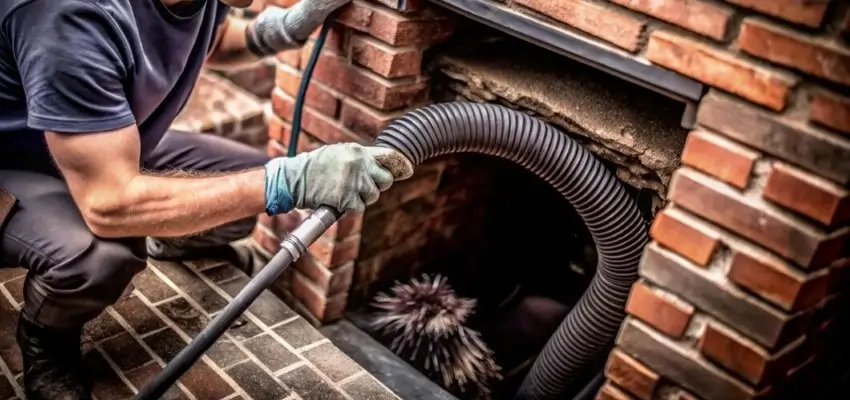
Chimney Cleaning that lifts soot and creosote in Langley
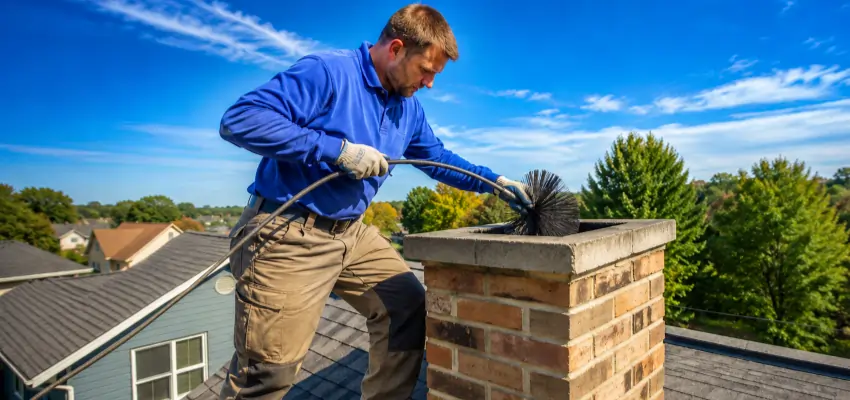
Careful Chimney Sweep for wood fireplaces and stoves in Langley
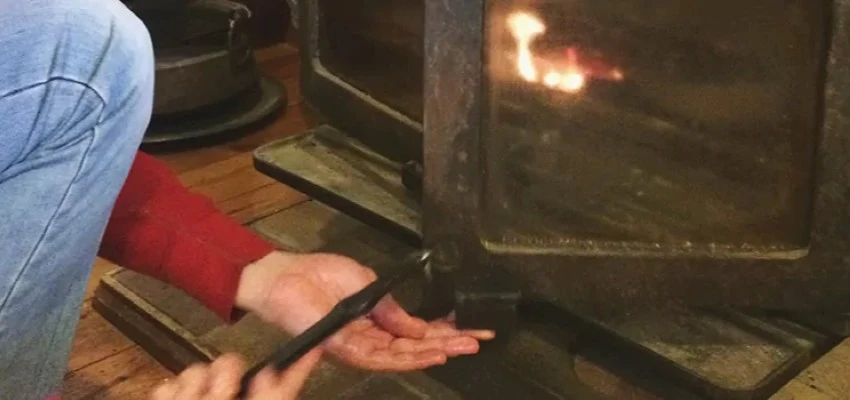
Flue brushing, damper checks, cleanup: Chimney Sweep Services in Langley
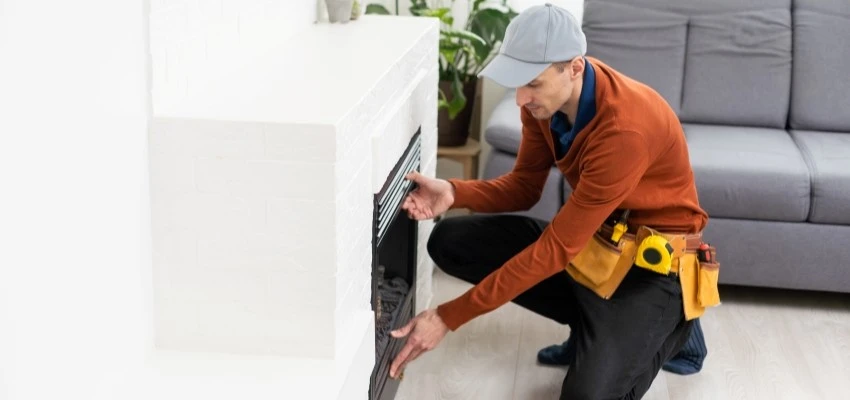
Ready for the season with Fireplace Experts in Langley
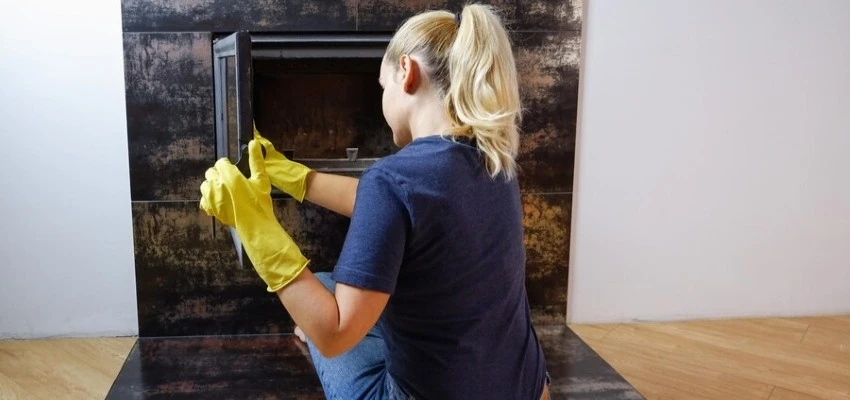
Logs lifted, embers reset: Gas Fireplace Cleaning near Langley
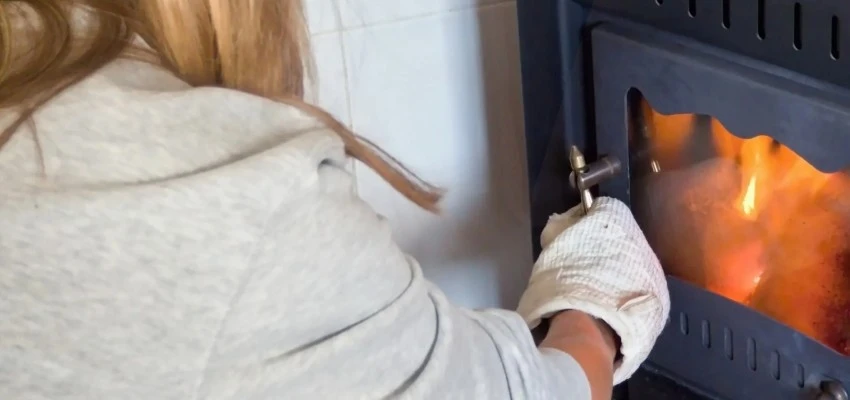
A record of every Gas Fireplace Maintenance visit

