
Knowing a little about how your fireplace works makes every conversation with a technician easier. Why does creosote form? Which parts wear out? What is worth fixing now? Those threads run through this page, written for homeowners in Langley who searched for “fix non-working fireplace” and prefer to understand fireplace troubleshooting and repair before deciding anything. Read it as a reference, whether or not you end up booking a visit.

Repairing is usually worth it, because the costly parts of a wood-burning setup, such as the chimney and the masonry around a fireplace, are built to last a very long time. Worn mortar, a rusted damper, cracked firebrick and tired door gaskets are all fixable. Replacement starts to make sense when the main body is failing: a stove with a cracked or badly warped body, a factory-built fireplace whose metal box has rusted through, or masonry so damaged that rebuilding approaches the cost of starting over. A technician can lay out both paths with their pros and cons so you can compare them calmly.
Often it can, after a thorough check. Previous owners sometimes close a fireplace with a chimney balloon, a sheet of metal at the damper, a board over the opening or a permanent cap on the chimney. Once those are removed, the technician inspects the whole system, since a sealed fireplace may have been closed because of a problem such as a cracked flue or water damage. The flue is cleaned, the damper is tested and any repairs are quoted. If your search for “fix non-working fireplace” started with a blocked-off opening, ask why it was sealed before planning a fire.
The usual reasons are damp wood, too little air or a cold or blocked flue. Wood that has not dried long enough hisses and smolders instead of catching. A damper left partly closed, a fire packed too tightly or a house pulling air down the chimney starves the flame. A cold flue can push smoke back down until it warms, and a blocked cap or heavy creosote limits the draft further. If dry wood and a fully open damper do not solve it, a visit booked under “fix non-working fireplace” can check the flue, cap and air supply.
The signs that matter most are small physical changes: a brick that wobbles, crumbs of mortar on the hearth, a damper that needs a shove or a stain where none used to be. When homeowners call about one of those, we usually find it connects to something larger, such as rain entering through a cracked crown or heat slowly eating at the joints of the back wall. Gaps in the firebox matter most, since they can let heat reach the framing behind the masonry. Catching these early keeps the fix to a patch rather than a rebuild.
The signs fall into two groups: what you hear during the fire and what we find after it. A fast chimney fire is often described as sounding like a freight train or a jet engine, with popping as tiles and deposits heat up. In that moment, the only job is to leave the house and call the fire department. Afterward, we look for creosote that has swelled into a honeycomb texture, discolored or distorted metal, cracked liner sections and stains where smoke escaped through gaps. Those clues matter because a quiet chimney fire can damage a flue without anyone noticing.

You know it is time when the flue shows visible buildup or the fire starts behaving differently. With everything cold, shine a flashlight up past the open damper or into the stove outlet: a layer of soot or creosote that you can scrape with a poker is a common sign. Other clues include fires that are harder to start or keep going, smoke lingering in the room, a strong smoky smell, black flakes falling onto the hearth and stove glass that darkens quickly. If nobody remembers the last cleaning, that alone is a good reason to book one.
Cracked tiles are replaced one at a time when the base underneath is sound, and that base is the first thing we check. A single crack from a dropped log is a simple swap: we cut out the grout, lift the broken pieces, clean the bed and set a replacement using materials rated for the heat near a fire. Several cracks running in a line usually mean the hearth slab has shifted or the substrate is failing, and swapping tiles alone will not hold. Near the opening we avoid ordinary household tile adhesives, which can break down with heat and leave tiles loose again.
Everyday upkeep is a homeowner job, but sweeping and inspecting the chimney are better left to a professional. Safe tasks include removing cold ashes, cleaning glass doors with a product made for fireplace or stove glass, keeping the hearth area clear, checking that the damper opens and closes and testing smoke and carbon monoxide alarms. Brush kits are sold, but they cannot tell you whether the liner is cracked, the smoke chamber is coated or the cap is damaged, and climbing onto a roof brings its own risk. A professional visit includes a look at the parts you cannot see.
Ask for evidence and a written scope, and get a second opinion when the work is large, such as a new liner, major masonry or chimney work, or replacing a stove. The first company should provide photos or camera footage, a plain description of the problem and a list of what will be removed, rebuilt or replaced. A clear quote names the materials, explains how the cause of the damage will be addressed and states what is not included. If two companies disagree, ask each to explain its reasoning; the one that can show you the problem usually deserves more weight.

We would rather explain one thing clearly than list ten things you do not need. Ask us what matters for your home in Langley and we will give you a straight reply. Get in touch with Chimney Sweep Langley whenever you are ready.
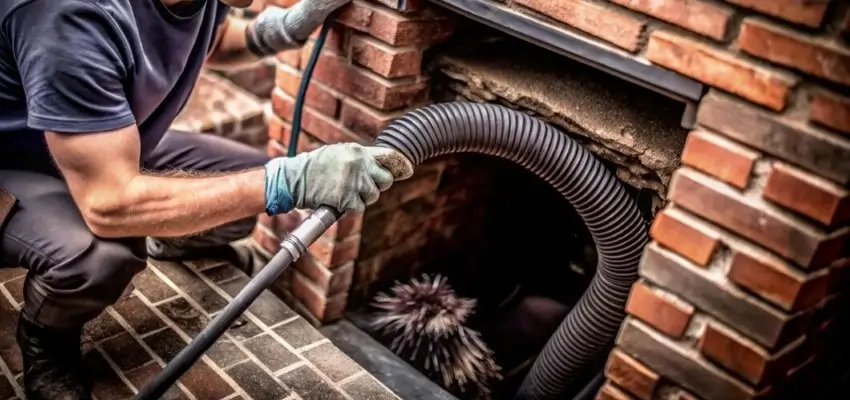
Chimney Cleaning that lifts soot and creosote in Langley
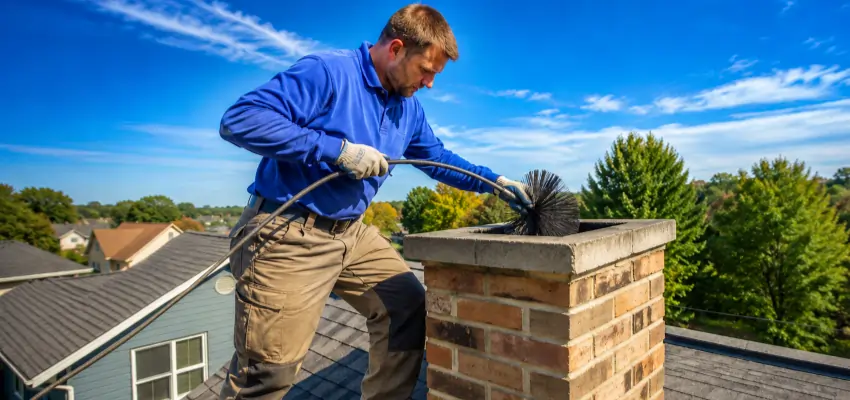
Careful Chimney Sweep for wood fireplaces and stoves in Langley
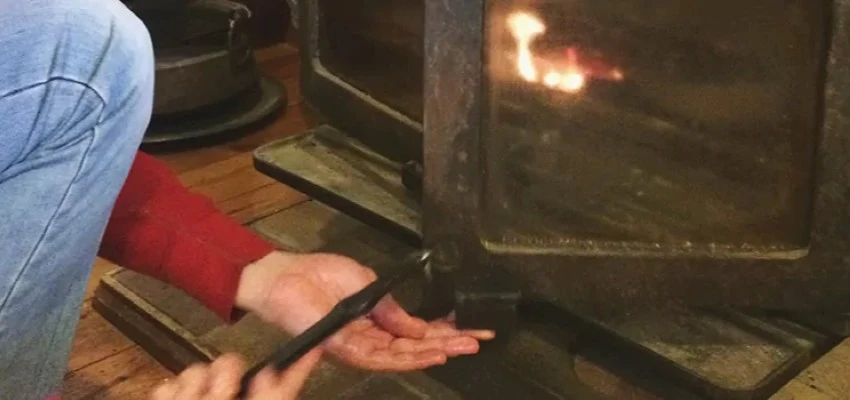
Flue brushing, damper checks, cleanup: Chimney Sweep Services in Langley
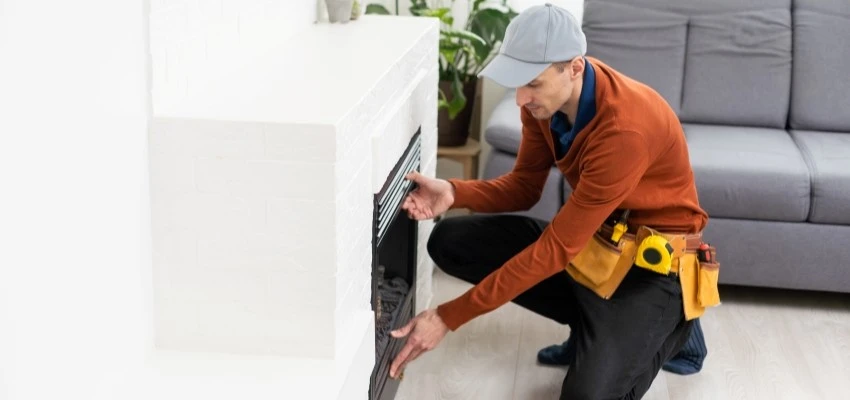
Ready for the season with Fireplace Experts in Langley
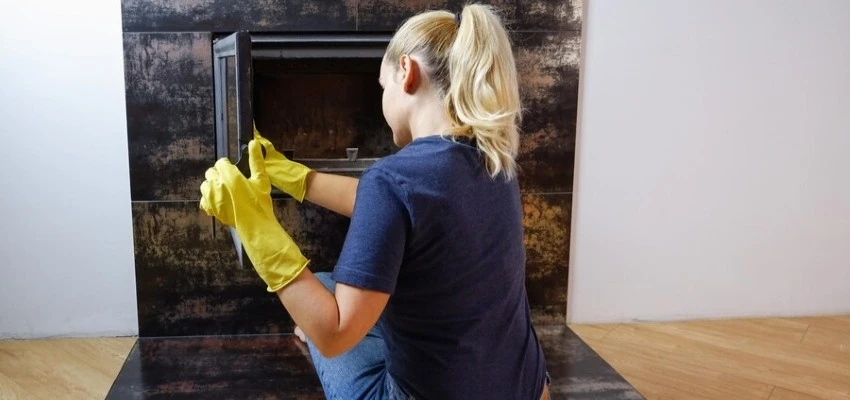
Logs lifted, embers reset: Gas Fireplace Cleaning near Langley
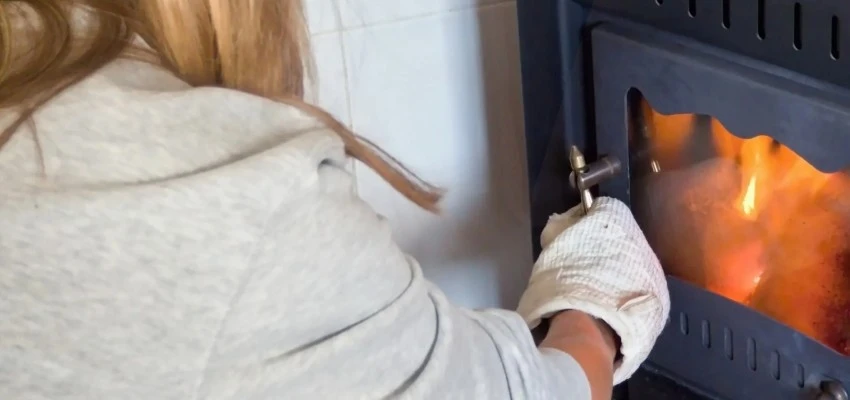
A record of every Gas Fireplace Maintenance visit

