
Planning chimney work is easier when you understand what the contractor is talking about. Flue sizes, liners, pots, chases and water repellents all come up in quotes, often without much explanation. This page is for people in Langley who looked up “flue tiles cracked repair” and want straight answers about flue tile repair: why it is done, how it is done and which details matter for an ordinary home.

A chimney works by letting hot exhaust rise through a sealed channel, the flue, and leave the house above the roofline. Warm gases are lighter than the cooler air outside, so they rise, and that rising column pulls fresh air into the fire behind it. This pull is called draft. Height helps, because a taller flue creates a stronger pull and clears nearby roof surfaces. Size matters too: a flue that is too large for the appliance cools the gases and weakens draft, while one that is too small cannot carry all the exhaust. Anything that blocks or leaks along the path disrupts the balance.
It is not recommended. Cracked or gapped tiles can let heat reach the masonry and nearby wood framing, and they can let smoke and gases seep into the walls or other flues. A small crack may look harmless, but you cannot judge its depth or the condition of the tiles above it from the fireplace. Until the flue has been inspected and repaired, keep the fireplace or appliance on that flue out of use, and make sure carbon monoxide alarms are working. Homeowners researching “flue tiles cracked repair” usually find the inspection is quick and the options are clear once the footage is reviewed.
An inspection should come first because it shows whether the planned work is the right work. A technician looks at the chimney from top to bottom, often with a camera inside the flue, and checks for hidden cracks, blockages, water damage and any mismatch between the flue and the appliance. Sometimes the inspection confirms the plan; sometimes it reveals that a leak comes from somewhere else or that a liner needs attention before anything cosmetic is done. Ask for photos or video and a short written summary so you can compare options with confidence.
Our days follow a pattern: walk-through, setup, work, check, clean-up. The walk-through is a quick conversation to confirm what we are doing and flag anything new. Setup means floor protection, ladder placement and any roof anchors. The work itself varies with the job, from fitting a pot to lowering a liner or applying a repellent. The check is where we test what we built, whether by running a smoke test, watching water bead or confirming a part is secure. Clean-up leaves the hearth and yard the way we found them, and then we show you photos from the roof.
Not always. When damage is limited to a few hairline cracks or open joints and the rest of the flue is sound, resurfacing with a heat-resistant coating can be enough. When several tiles are broken, shifted or missing, or when the flue also needs resizing for a new appliance, a full stainless or cast-in-place liner is usually the more reliable fix. Cost, the appliance and the flue’s overall condition all play a part. Ask the company handling your flue tile repair to show you the footage and explain why it chose one approach over the other.

A common guideline is a professional check once a year, often before the season when the fireplace or stove is used most. Chimneys that serve wood-burning appliances, have had recent work or face harsh weather benefit most from that yearly rhythm. Extra checks make sense after a storm, a chimney fire, a roof replacement or any change to the fireplace or appliance. Even a chimney that is rarely used should be looked at, because weather, animals and settling affect it whether or not you light fires.
Many chimney jobs take a single day, while larger projects can run several days or more. Fitting a pot or cap, applying a water repellent or making a small flue repair is usually done in one visit. Relining a flue or installing a factory-built chimney often takes a full day, sometimes two. Remodeling, rebuilding or replacing large sections of masonry stretches longer, because mortar and concrete need curing time between steps. Weather can add days to any outdoor work. Ask for both the hours on site and the total span from start to finish.
Burn dry wood, keep the top clear and book a yearly check; most of what keeps new chimney work in shape happens between our visits. Seasoned logs keep creosote down and protect liners and flue tiles. A cap or pot that stays clear lets the chimney draft properly. Water is the long-term enemy, so the crown, flashing and any repellent are worth a glance after big storms. We leave written notes on what we did and what to watch for. Homeowners who follow that routine rarely call us back for the same problem.
Choose a chimney contractor that inspects before quoting, explains the cause of the problem and shows you evidence. Look for a company that does the specific work you need, whether flue repair, chimney pots, waterproofing or factory-built chimney installation, and ask to see photos of similar jobs. A clear written quote, a realistic timeline and an explanation of how the home will be protected are good signs. Read recent reviews for comments about communication and tidiness. Be cautious with anyone who pushes a large job without photos or pressures you to decide on the spot.

A recent look at the parts of a home buyers ask about can make a sale go more smoothly. We can fit flue tile repair around showings, inspections or move-in dates. Tell us your timeline and we will plan around it.
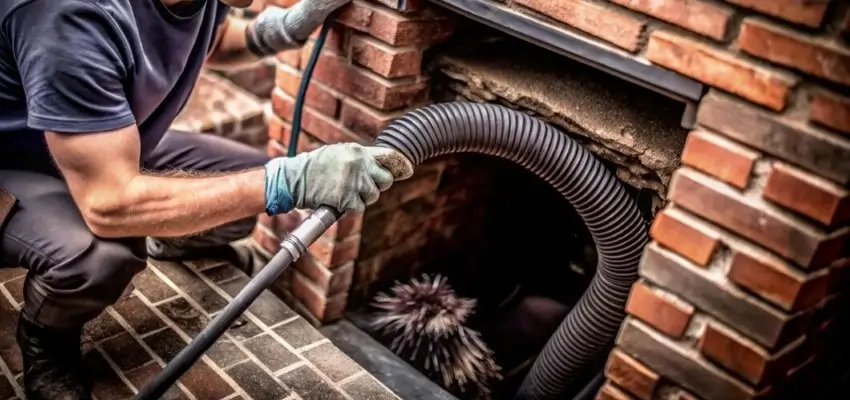
Chimney Cleaning that lifts soot and creosote in Langley
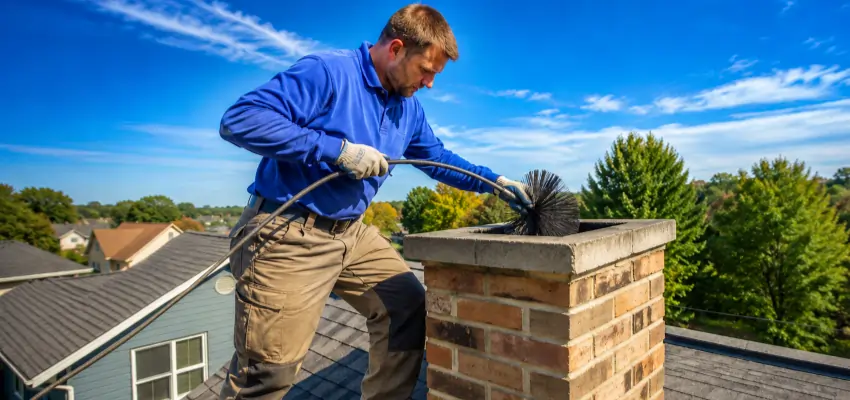
Careful Chimney Sweep for wood fireplaces and stoves in Langley
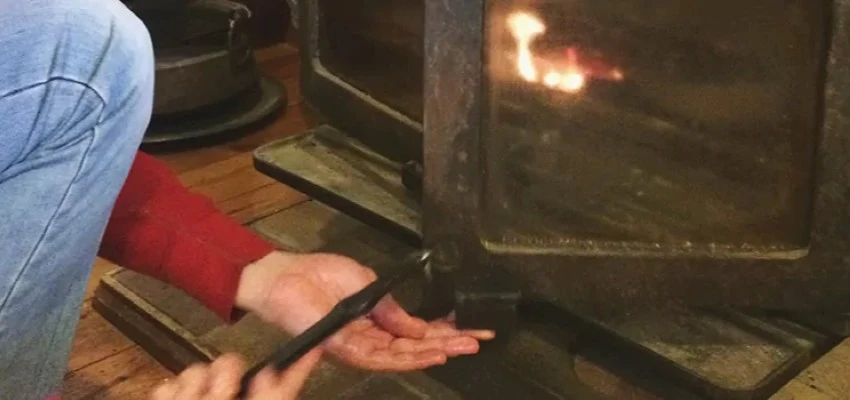
Flue brushing, damper checks, cleanup: Chimney Sweep Services in Langley
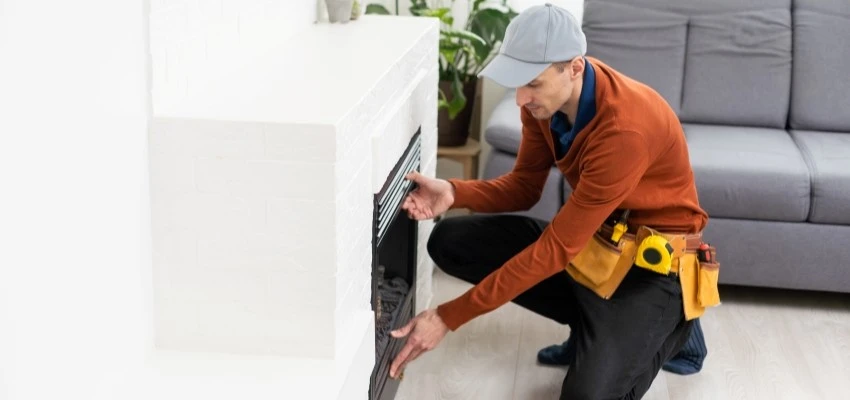
Ready for the season with Fireplace Experts in Langley
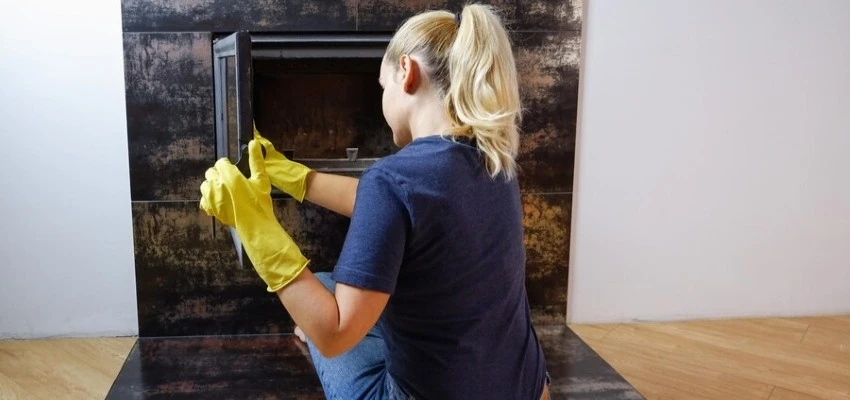
Logs lifted, embers reset: Gas Fireplace Cleaning near Langley
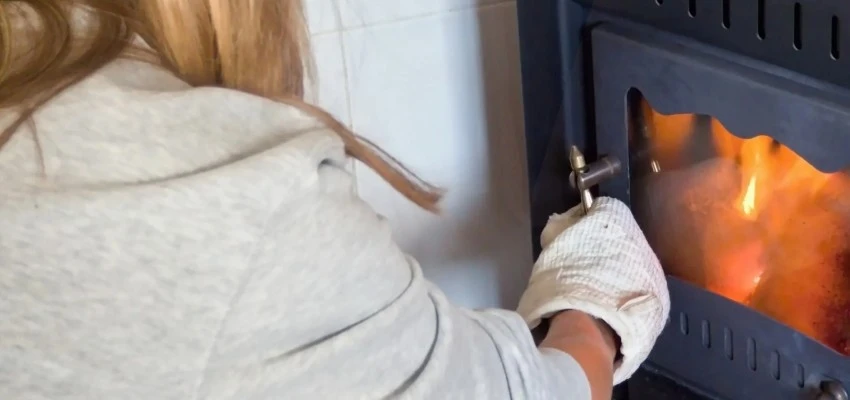
A record of every Gas Fireplace Maintenance visit

