
Moving into a home with a gas fireplace often comes with no manual, no service history and a remote nobody can find. Plenty of owners in Langley start from exactly there. Whatever brought you to a search for “gas fireplace maintenance”, the questions on this page are the ones homeowners raise again and again about annual gas fireplace service, answered the way a technician would explain them while kneeling in front of your fireplace, safety steps included.

Treat any gas smell as real until it is proven otherwise; that is the rule we follow ourselves. Faint or strong, the response stays the same: walk out, take everyone with you and make the call from outside, well away from the house. Switches, doorbells, phones and even the fireplace remote can create a small spark, so leave them alone. Once the utility has checked the home, we can look for the cause at the fireplace, which is often a loose fitting, a worn connector or a valve that no longer seals. The fireplace stays off until that repair is made and a leak test passes.
Logs should go back exactly where the diagram puts them, because from our side placement is part of how the burner works, not decoration. The flame has to rise through gaps between the logs; if a log blocks that path, combustion suffers and soot follows within days. We often find logs that were shifted during cleaning, bumped when the glass came off or rearranged for a fuller look. Resetting them to the diagram usually fixes the flame on the spot. Ember material, glass beads and stones follow the same idea: they belong only where the manual says. When logs have cracked or started shedding fibers, we replace them with parts intended for that model.
Most gas fireplace repairs involve the pilot assembly, a thermocouple or thermopile, the igniter, a remote receiver, the control valve or the glass and its gasket, and each one starts with confirming the exact fault. The part responsible is then cleaned or replaced and the whole unit is tested afterward. Some faults turn out to be simple, such as dead batteries or a switched-off receiver. Parts should match the make and model, since gas components are not interchangeable from one fireplace to the next. A sound repair ends with a leak test and a full burn cycle.
Once a year suits most of the fireplaces we see, and what we find during each visit fine-tunes that. If we pull a lot of dust and pet hair from the burner area, the household may benefit from a second check partway through the season. If the unit is barely used and comes back clean, yearly is plenty. What we discourage is waiting until something breaks, because by then a weak sensor has usually been failing for a while. A short log taped inside the access panel, listing each visit and any parts replaced, shows at a glance how the fireplace is aging.
The outdoor vent cap is the one most people forget, because it is out of sight. Nests, overgrown shrubs, stacked firewood or a new deck can all crowd it. Receiver batteries are another, since they hide behind the lower panel and fail without warning. Carbon monoxide alarms have a replacement date printed on them that often slips by. Gaskets, embers and log placement only get attention when someone looks closely, which is why the yearly visit matters. Keeping a short checklist with your “gas fireplace maintenance” records makes these easier to remember.

It depends on the fireplace. Many newer models have electronic ignition and no standing pilot, so the question does not apply, and some electronic systems offer a mode that switches between a continuous pilot and one that lights only when needed. With a standing pilot, some owners keep it lit year-round, which keeps the firebox dry and discourages insects, while others prefer to have it shut off during the warm months to save gas. Turning it off and relighting it correctly is part of the gas controls, so the simplest approach is to have your technician shut it down at a spring visit and relight it during the fall service.
The glass on a gas fireplace gets hot enough to cause serious burns while the fire is on and for some time after it is switched off. That makes it a real concern for young children, older adults and pets. Many newer fireplaces come with a mesh safety screen in front of the glass, and screens are available for many older models as well. Keep a clear space in front of the fireplace, teach children that the glass is off-limits and use a gate or barrier where needed. Never drape clothing or decorations over the front, and let the glass cool fully before any cleaning.
Homeowners can handle the simple upkeep around a gas fireplace, while anything involving gas parts belongs to a technician. Safe tasks include dusting the outside surfaces and louvers once the unit is cool, replacing remote batteries, keeping the space in front of the glass clear, checking that the outdoor vent cap is not blocked by leaves, plants or debris, and testing your carbon monoxide alarms. Leave the valve, pilot, burner, gas connections and venting alone, and never run the fireplace with the glass removed or damaged. Leave glass removal and log placement to the yearly service as well.
Choose by listening closely to the first phone call, because technicians worth hiring tend to reveal themselves before they ever arrive. On the phone they ask about the fuel, the ignition type and what the fireplace is doing, rather than quoting blind. They describe the visit step by step, bring up the leak check without being asked and mention carbon monoxide alarms out of habit. At your home, they show you what they found and separate urgent items from things that can wait. Patience with your questions on that first call is usually a fair preview of how carefully the work itself will be done.

The systems that keep a home comfortable tend to work quietly in the background until something goes wrong. A planned visit is a calm way to keep your gas fireplace in good shape. Request a quote from the Chimney Sweep Langley team in Langley.
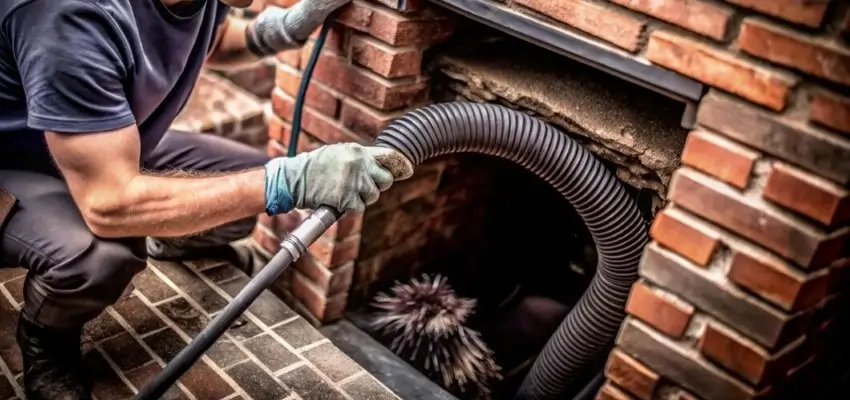
Chimney Cleaning that lifts soot and creosote in Langley
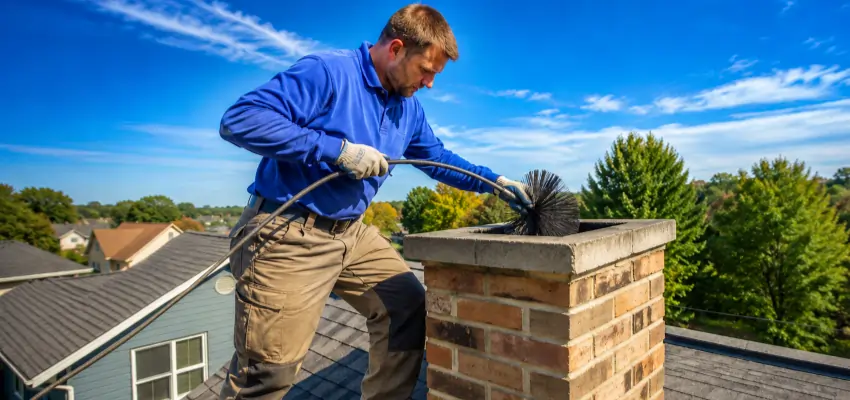
Careful Chimney Sweep for wood fireplaces and stoves in Langley
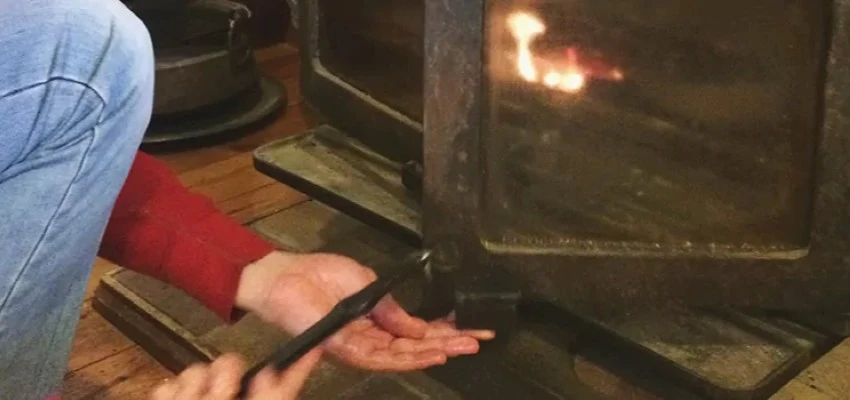
Flue brushing, damper checks, cleanup: Chimney Sweep Services in Langley
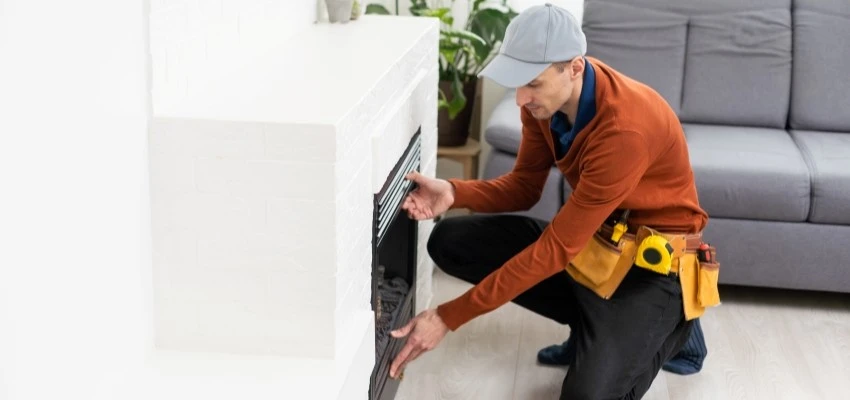
Ready for the season with Fireplace Experts in Langley
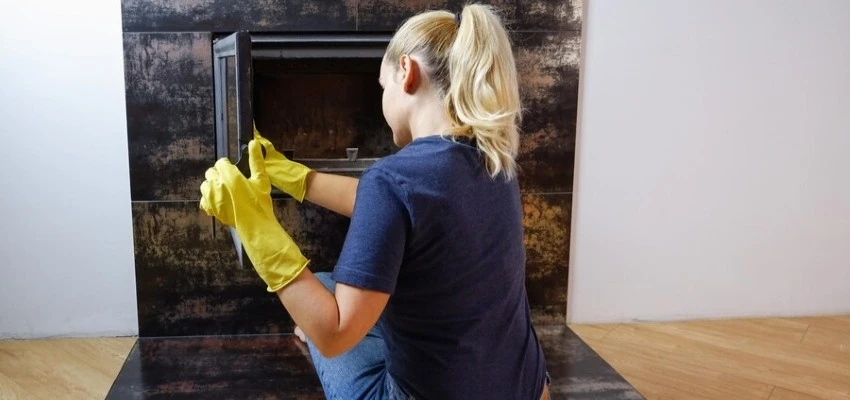
Logs lifted, embers reset: Gas Fireplace Cleaning near Langley
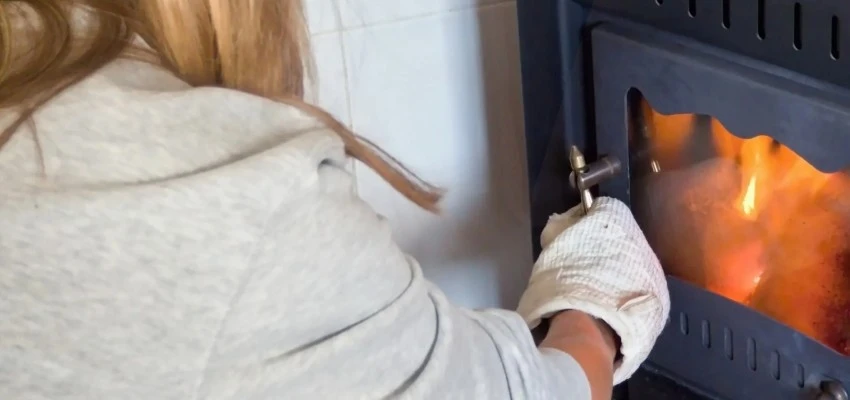
A record of every Gas Fireplace Maintenance visit

