
Fireplaces and stoves tend to show their faults when they go back to work after a long rest: a pilot that will not catch, glass that clouds over or, on a wood unit, smoke that puffs out when the door opens. If that sent you looking for “hearthstone stoves fireplace”, you are in good company, and most of these problems have ordinary explanations. Below, households in Langley will find practical answers about Hearthstone stove service: what tends to wear out, what a technician checks and what you can safely look at yourself.

Often, yes, especially when the body of the unit is sound and parts are still available. Worn gaskets, a tired thermocouple, a cracked firebrick or a noisy blower are routine repairs that can give an older fireplace many more seasons. Replacement deserves a conversation when the firebox is rusted through or cracked, when key parts such as the gas valve or ignition system are no longer made, or when the unit has been damaged by water or overheating. Ask the technician to explain both paths in plain terms, including how long each is likely to last, before you decide.
Soapstone changes the pace of the job. Many stoves sold under this name pair a cast iron frame with soapstone panels, and the stone soaks up heat slowly and gives it back for hours after the fire dies down. For anyone researching “hearthstone stoves fireplace”, that has two practical effects. The panels sit in channels sealed with gaskets or cement, and those joints are where air leaks tend to begin. A cracked panel can often be replaced on its own instead of condemning the stove. The stone also stays warm a long time, so a repair visit should start with a stove that has been out since the day before.
Film on fireplace glass usually tells you something about how the fire is burning. On gas units, a white haze is common and builds up from minerals and byproducts in the combustion gases; it can be cleaned with a product made for fireplace glass, since ordinary cleaners may etch it, ideally during a service visit on sealed units. Black soot on gas glass is different and suggests the flame is not burning cleanly, often because of misplaced logs, dirt in the burner or a venting issue. On wood stoves, brown or black staining usually comes from smoldering fires or damp wood.
A wood stove tune-up focuses on the seals, the parts inside the firebox and the connection to the chimney. The technician checks that the door and glass gaskets still seal, inspects firebricks for cracks, looks at the baffle and any secondary air tubes for warping and tests the air control and door latch. On stoves with a catalytic combustor, its condition is checked too. The flue connection and the chimney itself should be inspected and swept as needed, since creosote buildup affects both safety and draft. Many owners book this before the heating season begins.
Prepare by letting the unit cool completely and clearing the space around it. Turn a gas fireplace off several hours before the appointment, and do not light a wood stove that day so the firebox is cold. Remove decorations, screens, rugs and anything stored on the hearth or mantel, and leave a clear path from the door. If the vent ends outside, make sure the technician can reach it. Have the manual and any past service paperwork ready, keep pets in another room and plan to be home to describe the problem and hear what was found.

After a repair, the unit should start and run normally, though a brief smell from new parts, gaskets or paint is common during the first hour or two of use. Open a window and let the fireplace run for a while to help it burn off. Ask the technician what was replaced and keep that note with your manual. Watch the flame or fire for the first few uses: it should look steady and clean, without soot on the glass. If the original problem returns or a new symptom appears, call back promptly rather than waiting for it to settle.
Ask these before anyone arrives:
Mention anything that worries you, such as a noise, a weak flame or soot on the glass, so the technician arrives prepared. Straight answers here usually mean a straightforward visit.
Any experienced stove technician can, and Chimney Sweep Langley is one of them: an independent service company with no tie to the manufacturer. What should guide your choice after a “hearthstone stoves fireplace” search is how a company works. Expect questions about the model, whether the stove burns wood or gas and how it is behaving. On the visit, the technician should check gaskets, the stone or cast iron seams, the baffle area and the chimney connection, then explain what needs attention. Parts should match the list for your model, and any repair should be described before it begins.
A local technician is often the practical choice because fireplace repairs frequently need more than one trip. When a part has to be ordered, a company based nearby can return soon after it arrives, and follow-up questions are easier to handle. Local technicians also know the housing in the area, from the factory-built fireplaces common in newer subdivisions to older homes with converted masonry fireplaces. Before booking, confirm the company serves your address directly, ask about arrival windows and check how quickly a return visit for parts is usually scheduled.

Asking for a quote does not commit you to anything. We explain what Hearthstone stove service would include for your home, what affects the price and how long it should take, then leave the decision with you. Ask Chimney Sweep Langley for a quote when you are ready.
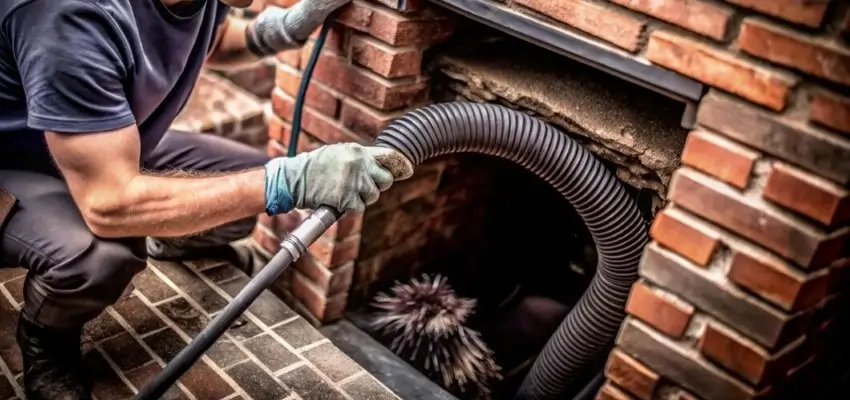
Chimney Cleaning that lifts soot and creosote in Langley
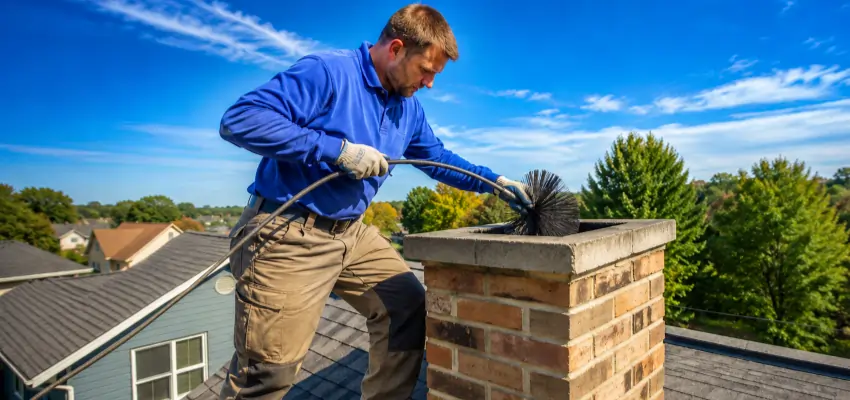
Careful Chimney Sweep for wood fireplaces and stoves in Langley
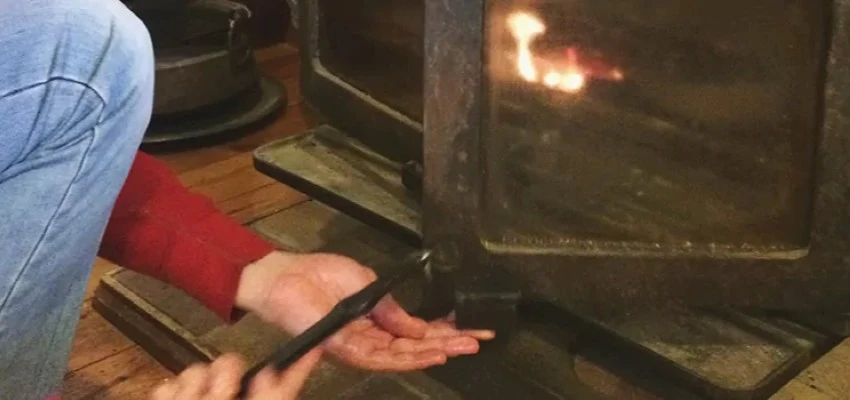
Flue brushing, damper checks, cleanup: Chimney Sweep Services in Langley
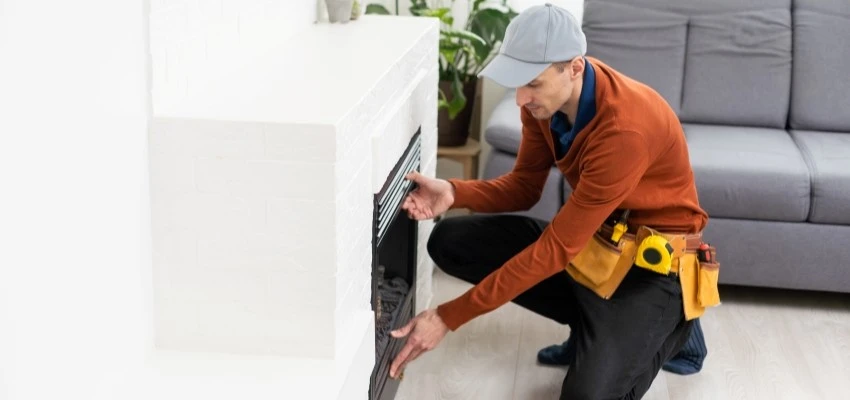
Ready for the season with Fireplace Experts in Langley
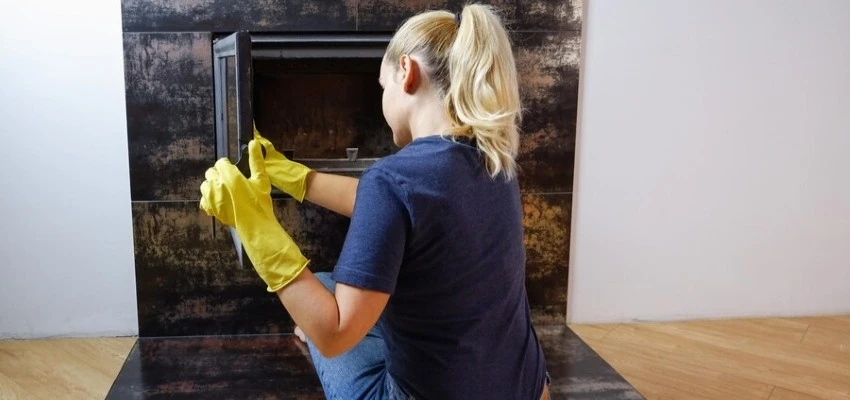
Logs lifted, embers reset: Gas Fireplace Cleaning near Langley
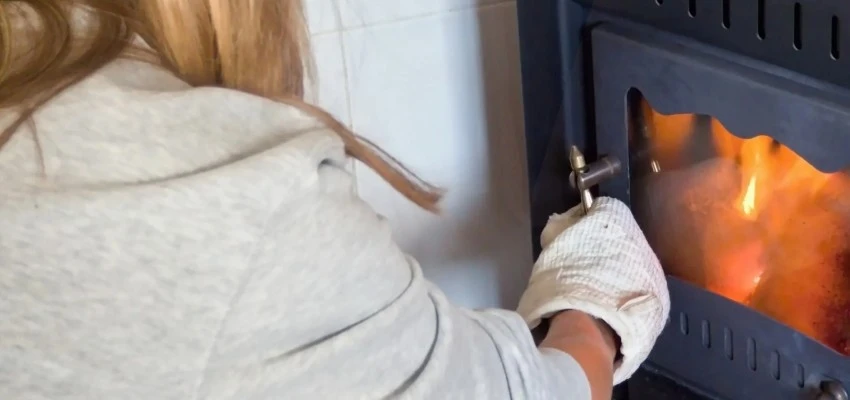
A record of every Gas Fireplace Maintenance visit

