
A fireplace or stove is often the coziest heat source in a home, and also one of the least understood. Behind the glass and the decorative trim sit valves, sensors, gaskets and baffles that each wear out at their own pace. If “heat & glo fireplace repair” is the phrase that brought you here, what follows gives households around Langley a practical overview of Heat & Glo gas fireplace repair, from the first warning signs to the questions worth asking before any work begins.

No, an experienced fireplace technician can usually take on the job, dealer or not. On site, the badge on the front matters less than what sits behind the access panel: the valve and ignition design on a gas unit, or the baffle, air controls and gaskets on a wood stove. We read the label, pull up the manual for that model and check its parts list before ordering anything. When a repair calls for a component only the manufacturer supplies, we order that component rather than improvising. Asking a technician which brands and fuel types they see most often is a fair question before you book.
A pilot that keeps dropping out almost always traces back to the flame, the sensor or the venting, and we check them in that order. A healthy pilot flame wraps the tip of the thermocouple or thermopile; a lazy, yellow or lifting flame usually means dust or spider webs in the pilot orifice. Next we measure the sensor’s output, because these parts weaken with age long before they fail outright. Finally, we inspect the vent and its outside cap, since a partly blocked vent can starve the flame. Cleaning or replacing pilot parts is work for a qualified gas technician, never a do-it-yourself job.
Clicking with no flame means the igniter is sparking but the pilot is not catching. Many built-in gas fireplaces, including plenty of the units behind “heat & glo fireplace repair” searches, use electronic ignition that lights the pilot only when heat is called for. The usual suspects are a pilot hood clogged with dust, a worn or misaligned spark electrode, air in the gas line after a long idle spell, a supply valve left closed after other work or a control module that is failing. Let it click for a short while only, then switch it off. Repeated attempts are not a fix, and a qualified gas technician should trace the cause.
Thumping ignition, grinding fans, electrical burning smells and lingering smoke are the warning signs; ticking metal and a brief new-part smell usually are not. Telling them apart is a big part of our job. A delayed light-off that rolls flame out of the firebox suggests a dirty burner or a weak igniter. A fan that squeals has worn bearings. A sharp, plastic smell can come from wiring touching something hot. On gas units, the smell of gas means leaving the house and calling the gas utility from outside before calling anyone else, us included.
We work from the symptom backward. If a gas fireplace will not light, we watch what it does when you press the button or flip the switch: is there a spark, does the pilot form, does the main burner try? Each step narrows the problem to the ignition, the sensor, the valve or the supply. With a wood stove, the questions are about draft, sealing and wear, and the answers come from the gaskets, the baffle and how the fire behaves. Testing comes before replacing anything, so you are not paying for parts that were never the problem.

Once a year suits most households, and we adjust from there. A gas fireplace that runs every evening through the colder months collects more dust in the burner and more wear on its ignition than one lit a few times a season. A wood stove used as a main heat source may need its flue swept more than once in a winter. We note what we find at each visit, such as how dirty the burner was or how much creosote came out, and suggest the next date from that. Your manual’s recommendation is the baseline; your usage fine-tunes it.
Specific symptoms help most, along with the label information and the age of the unit if you know it. “It will not turn on” could mean no spark, a pilot that lights and drops out or a burner that never follows; each points somewhere different. Tell us whether the fireplace runs on a remote, a wall switch or a thermostat, whether it has power to it and when it was last serviced. For wood stoves, mention how the fire behaves and what wood you burn. Short videos of the startup are surprisingly useful, since they let us hear and see the sequence.
The model and serial number are printed on a rating label or metal plate attached to the unit. On many gas fireplaces and inserts, it sits behind the lower louver or grille near the controls, sometimes on a chain or tag that pulls out. On freestanding stoves, it is often on the back or underneath. Wait until the unit is completely cool, use a flashlight and take a clear photo rather than copying it by hand. Do not remove panels or touch gas parts to find it. If you cannot locate the label, photos of the front and the controls still help.
No. Chimney Sweep Langley is an independent fireplace service company. We are not a dealer for Heat & Glo or any other manufacturer, and we do not claim a connection we do not have. What we bring to a gas fireplace repair is hands-on work with built-in units and inserts, the habit of reading the rating label first and the manufacturer’s own instructions for that model. When a part is needed, we source the item listed for your fireplace rather than a lookalike. If you were comparing results for “heat & glo fireplace repair”, ask every company the same question and expect a straight answer.

Whether you want to book now or just gather information first, we are glad to help. Ask your questions about Heat & Glo gas fireplace repair, your fireplace or the timing that suits you. Contact Chimney Sweep Langley for homes across Langley.
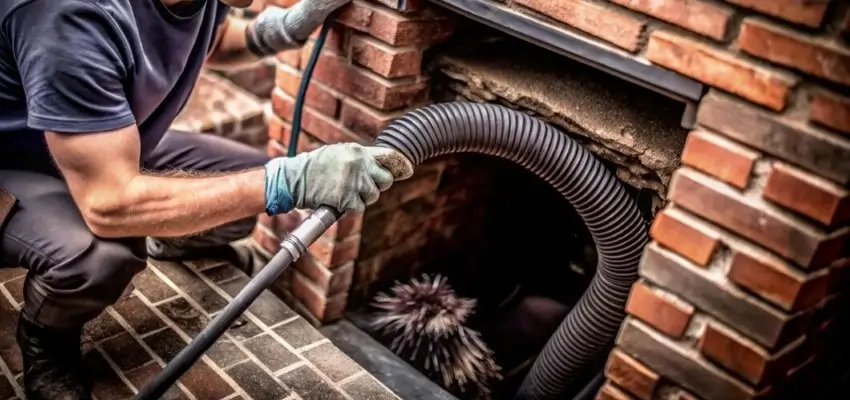
Chimney Cleaning that lifts soot and creosote in Langley
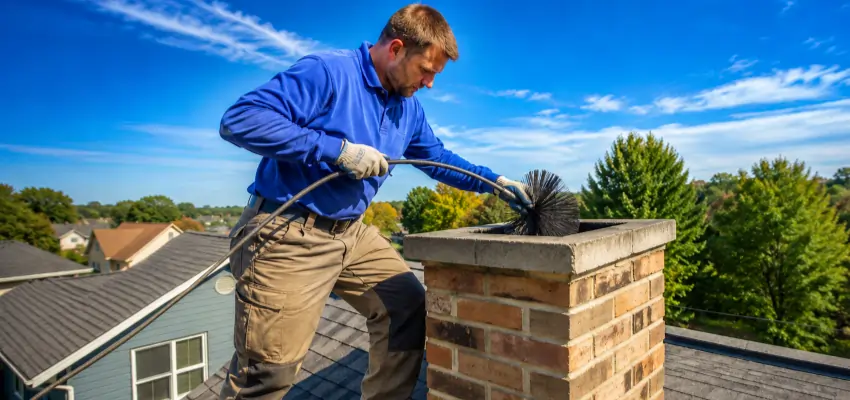
Careful Chimney Sweep for wood fireplaces and stoves in Langley
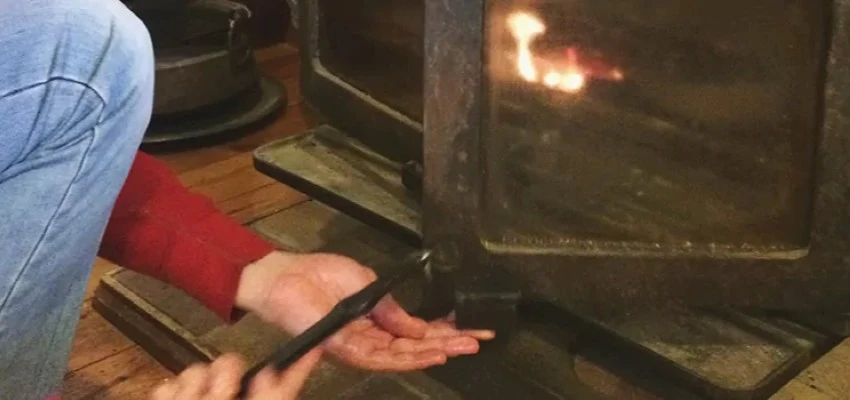
Flue brushing, damper checks, cleanup: Chimney Sweep Services in Langley
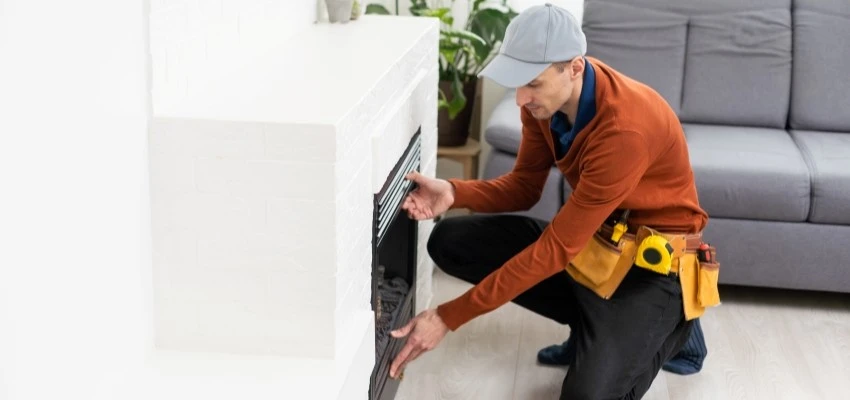
Ready for the season with Fireplace Experts in Langley
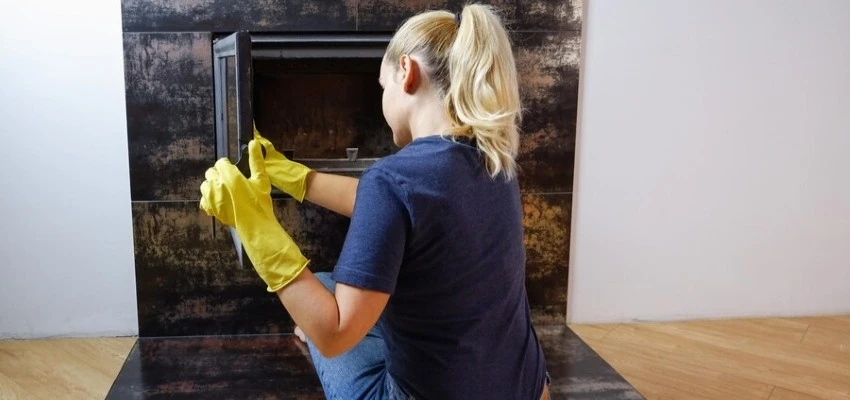
Logs lifted, embers reset: Gas Fireplace Cleaning near Langley
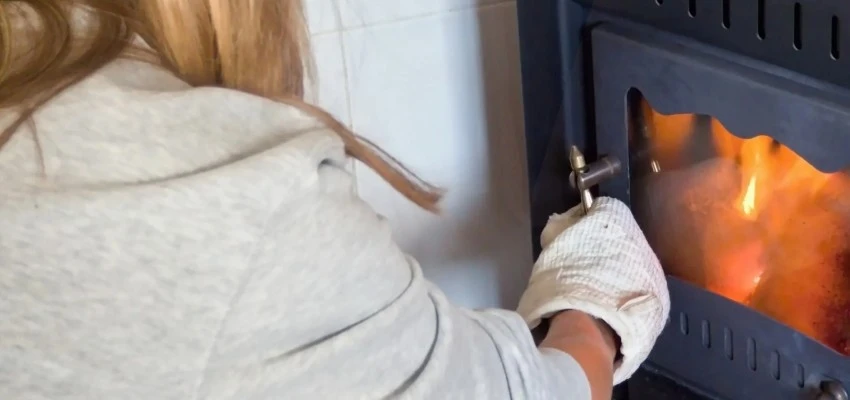
A record of every Gas Fireplace Maintenance visit

