

Each of those three needs a different gas-train approach, and Chimney Sweep Langley sends a licensed gas technician who knows which one is in front of them before the first reading is taken. The glass, refractory, blowers, and doors on these units are handled on the fireplace repair page; this page stays on the pilot, the valve, the burner, and the vent.
The older Heatilator gas fireplaces, with model numbers such as G340, G420, and the G520 corner units, run on a standing pilot and a millivolt valve. They share refractory interiors with the wood fireboxes of the same width. Their gas repairs are the millivolt kind: a pilot cleaned, a thermocouple or thermopile replaced, a valve swapped only once pressure readings show it sticking. Many of these models are discontinued, which affects parts rather than repairability.
The NOVUS family came later and was sold in both standing pilot and intermittent pilot versions over its run, so the model name alone does not tell us which gas train is fitted; the rating plate does. An intermittent pilot NOVUS brings a module, a sensing rod, and a battery tray into the picture, and its no-start complaints are tested electrically before any gas part is suspected. Knowing which version you own is the single most useful thing to tell us when you book.

Gas complaints on these units around Langley line up with the three groups above, and each symptom below names the part we go to first.
Standing pilot blows out on windy days - an older horizontal termination facing the prevailing wind, or a thermocouple too weak to hold the valve through a gust.
Short blue flames across the whole burner - manifold pressure below the plate figure, or an orifice left from the other fuel after a changeover.
Log set in the wood firebox lights with a bang - ember material heaped over the burner ports so gas pools before the pilot reaches it.
NOVUS clicks, pauses, and gives up - an intermittent pilot lockout from a dirty pilot hood, a flat battery tray, or a sensing rod that cannot prove the flame.
Burner shuts down after the firebox warms - a thermopile that passes cold and fails hot, which only shows on a reading taken with the fire running.
Gas smell at the log lighter or the louver - close the shut-off valve, leave the room, and call; a leak is checked with instruments, never by lighting the unit to see.

A gas fireplace repair visit on one of these units follows a fixed order so the cause is found rather than guessed. The pilot flame is checked for shape and colour, the thermocouple and thermopile are read with the burner off and again with it running, and inlet and manifold pressure are confirmed against the plate. Leak solution goes on every fitting we can reach, the burner ports are cleared, and the logs or embers are set back to the pattern in the manual before the flame is judged.
A vented log set fitted in a Heatilator wood firebox gets two extra steps. The damper clamp is confirmed in place, and the flue above it is inspected, because that chimney still holds whatever creosote the wood fires left behind. On a sealed direct-vent unit the extra step is the glass gasket, since a flattened gasket lets exhaust past the glass and into the room. A carbon monoxide alarm on the floor with the fireplace is checked for a test tone before we leave.
Parts for the discontinued G-series units are sourced by model number and date code. Where an original pilot assembly or valve is no longer made, an approved equivalent millivolt part is matched to the burner's rating rather than fitted by guesswork. The Fireside Grand Oak gas logs sold by Heatilator are the usual replacement log set, ordered by burner size, and a log set from another maker goes into one of these fireboxes only when its listing allows it.
Conversion between natural gas and propane is a kit job matched to the model and the ignition type, finished with a pressure check at the valve. With its pilot assembly cleaned each year and its thermopile tested under load, the millivolt valve on an older G-series fireplace keeps working for many winters after the model has left the catalogue.
Tell us which of the three you have, a G-series firebox, a NOVUS, or a log set in a wood fireplace, and whether the pilot lights, and the technician arrives with the right pilot parts. Gas work on these units is done under the licence and insurance that Chimney Sweep Langley holds for it, and most gas fireplace repair visits are finished in one trip.
Phone (778) 909-9614 to book. Owners in Langley who would rather send the plate and a photo of the pilot first can contact us through the site, and we will confirm the visit and the likely parts in writing.
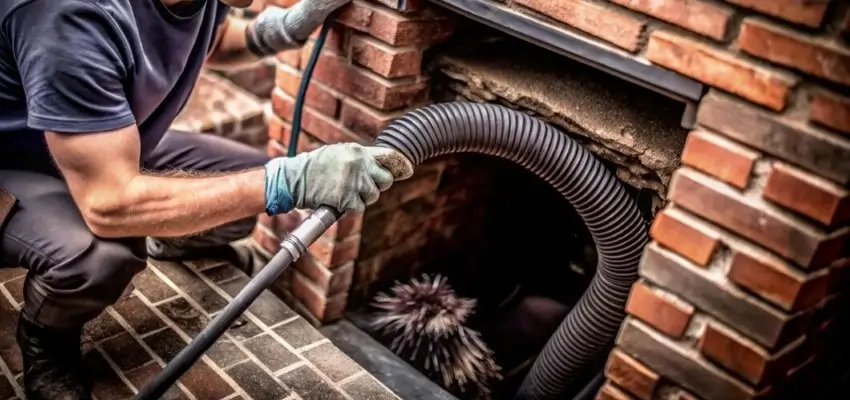
Chimney Cleaning that lifts soot and creosote in Langley
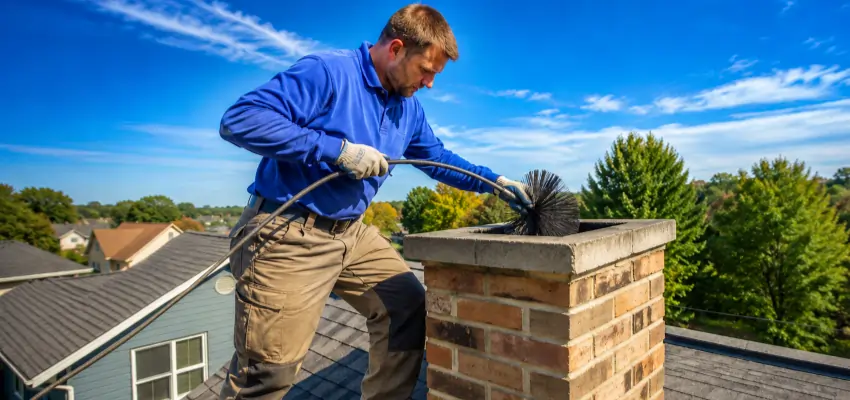
Careful Chimney Sweep for wood fireplaces and stoves in Langley
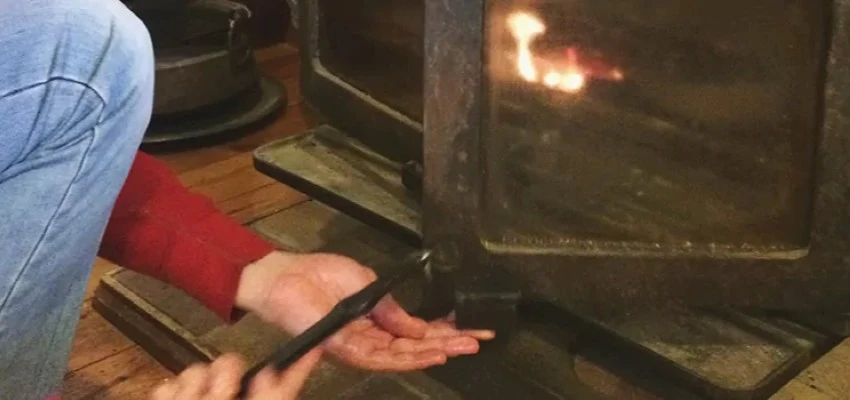
Flue brushing, damper checks, cleanup: Chimney Sweep Services in Langley
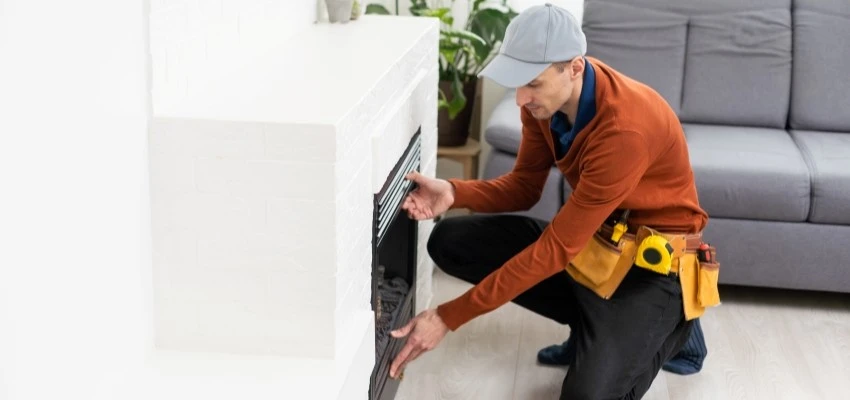
Ready for the season with Fireplace Experts in Langley
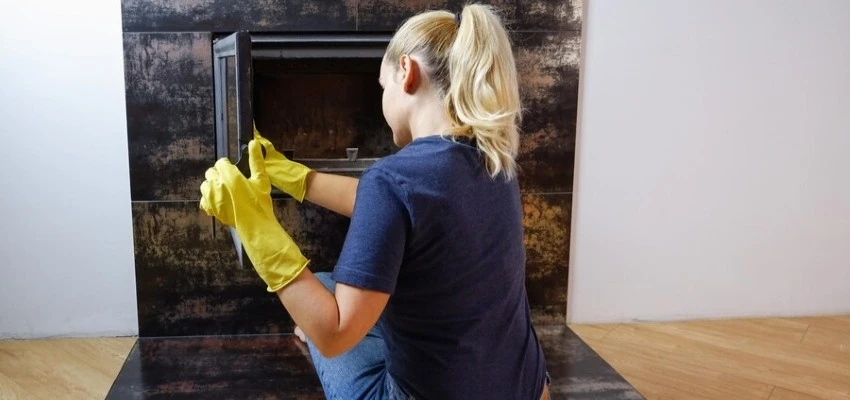
Logs lifted, embers reset: Gas Fireplace Cleaning near Langley
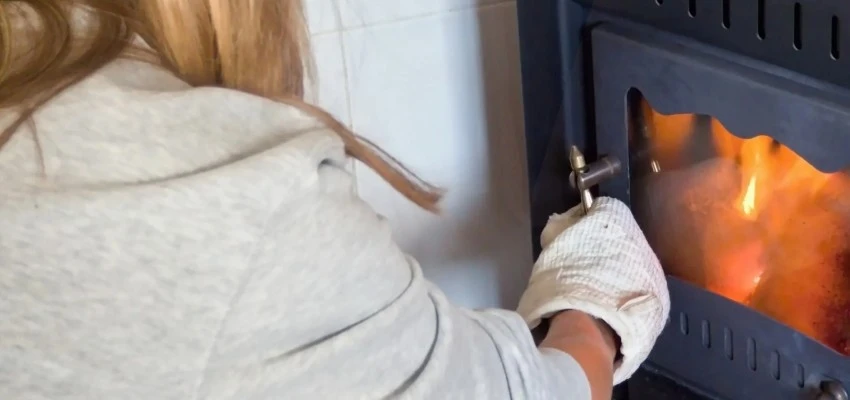
A record of every Gas Fireplace Maintenance visit

