
The name on the front of a fireplace tells you who built it, not who is allowed to fix it. Homeowners around Langley who search for “kingsman fireplaces repair” usually want to know whether a local technician can handle their unit, what a repair visit involves and how the right parts are found. This page answers those questions in plain language for gas fireplaces, inserts and wood stoves alike, so you can approach Kingsman gas fireplace repair with a clear picture of what lies ahead.

Only in the details; the principles carry over. A thermocouple on one gas fireplace does the same job as on another, yet the mounting, length and connection can differ, and an electronic ignition board from one generation rarely fits the next. Wood stoves are similar, since baffles, air tubes and door latches vary by model even inside one product line. In practice, the first few minutes of every visit go to confirming exactly what we are looking at. After that, the diagnosis follows a routine any trained technician would recognize, and parts are matched to the model, not to the brand in general.
The Kingsman units found in homes are usually gas appliances: built-in fireplaces, inserts that fit an existing opening and freestanding stoves, typically direct vent, which means they draw combustion air from outside and send exhaust back out through a sealed pipe. That sealed design is why the glass, its gasket and the vent connections matter so much during a repair. If your search for “kingsman fireplaces repair” started with a unit you inherited with the house, the rating label tells you which type you have. Our technicians are independent of the manufacturer and work from that label and the published manual.
Most branded fireplaces wear out in predictable places, whatever name is on the front. Typical problems include:
None of these is unusual, and most can be repaired once the cause is confirmed.
A pilot that will not stay lit usually points to a weak flame sensor, a pilot assembly clogged with dust or a draft problem in the venting. On many fireplaces, a small sensor called a thermocouple or thermopile sits in the pilot flame and holds the gas valve open; when it wears out or the flame no longer reaches it, the valve shuts. Low gas supply and a blocked vent can cause the same symptom. Leave the unit off rather than relighting it again and again, and book a technician. If you ever smell gas, leave the home and call your gas utility from outside.
A lazy, yellow or sooty flame usually means the burner is not getting the air mix it was designed for. In a direct vent unit, common causes are logs or media shifted out of position, dust and debris in the burner ports, a vent pipe that has separated or a termination outside that is partly blocked by plants, snow or a nest. Soot on the glass is the visible sign. Turn the fireplace off, keep your carbon monoxide alarms working and book a check, mentioning when the change began. Venting faults on a sealed system need a qualified gas technician, not a quick adjustment.

For the parts that wear, generally yes. Manufacturers tend to support their common service parts long after a model leaves the showroom floor, and many older units share components with newer ones. The harder calls come with obsolete control modules, valves and trim. Our routine is to read the rating label, find the parts list for that exact model and look for the original or a substitute the manufacturer approves. We do not adapt gas parts from other units to make something work. If a key safety component simply no longer exists, we will tell you so rather than force a repair.
Plan on an hour or two for most visits, with exceptions we can usually predict. The unit needs to be cold before we open it, so a fireplace that was running that morning adds waiting time. Diagnosis is quick when the fault happens on demand and slower when it only shows up after the unit has been running a while. Parts are the other variable: if we carry the part, the repair usually happens on the spot; if it has to be ordered, we schedule a return trip and share what we know about delivery.
Most of the difference comes down to three things: the part, the access and the time it takes to find the fault. Parts vary widely, and an electronic module or valve costs far more than a gasket kit. Access matters because an insert boxed in by stone, or a stove squeezed into a tight alcove, takes longer to open up than a unit with room around it. Intermittent faults take the most diagnosis, since we may need to run the fireplace through several cycles to catch the problem. We explain those factors before starting and price parts and labor separately.
Look for a rating label, usually a metal plate or heat-resistant sticker fixed near the controls or on the back. On built-in gas units, we often find it hanging on a small chain behind the bottom grille, or riveted to the side of the control compartment. Stoves tend to carry theirs on the rear panel or the underside. That label is the single most useful thing you can share, because it gives the exact model, the fuel type and the listing details we need before ordering parts. A sharp photo taken in good light saves a lot of back-and-forth.

Simple routines at home go a long way, and a periodic visit catches what you cannot see. Together they keep your fireplace in steady shape year after year. Call (778) 909-9614 to plan the next check with Chimney Sweep Langley.
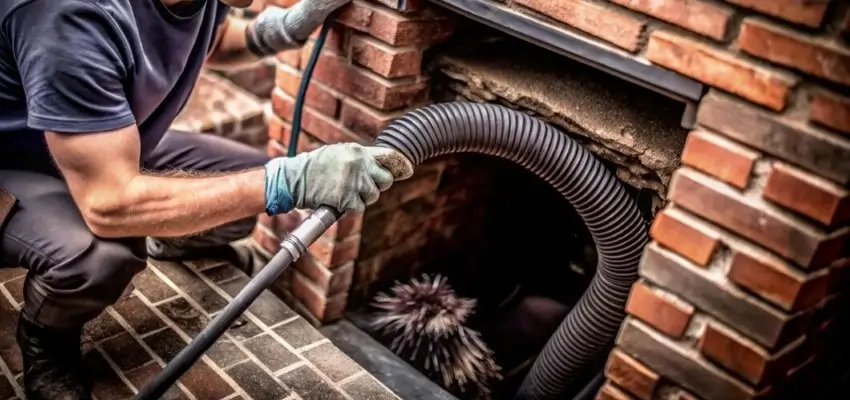
Chimney Cleaning that lifts soot and creosote in Langley
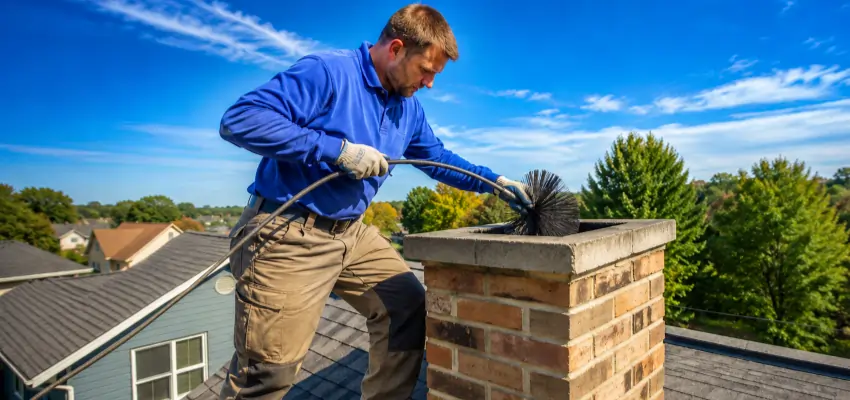
Careful Chimney Sweep for wood fireplaces and stoves in Langley
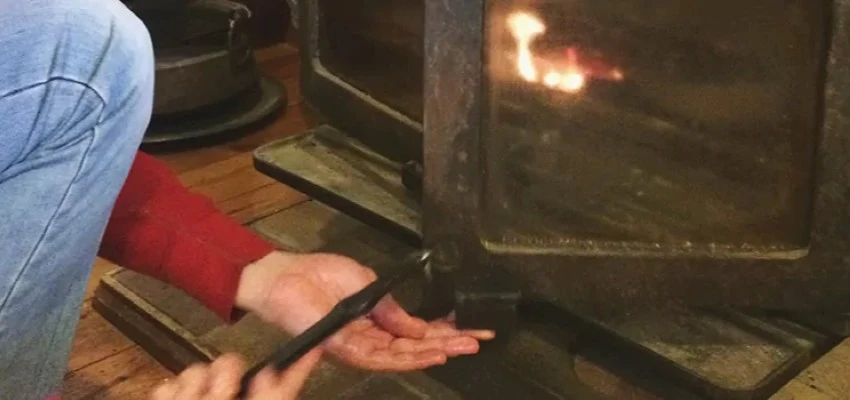
Flue brushing, damper checks, cleanup: Chimney Sweep Services in Langley
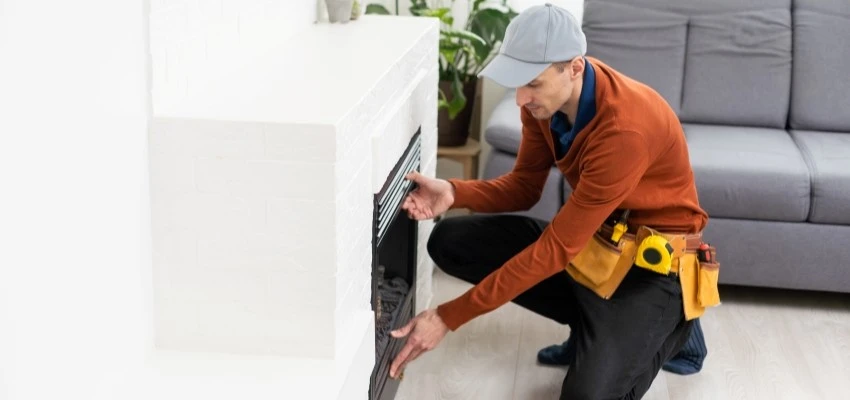
Ready for the season with Fireplace Experts in Langley
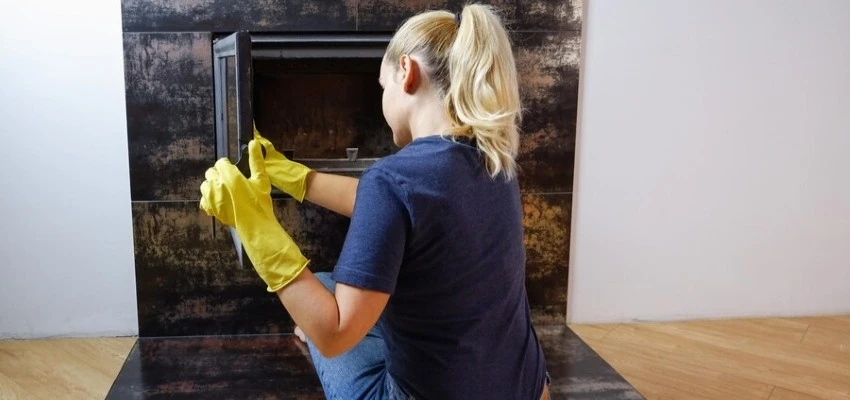
Logs lifted, embers reset: Gas Fireplace Cleaning near Langley
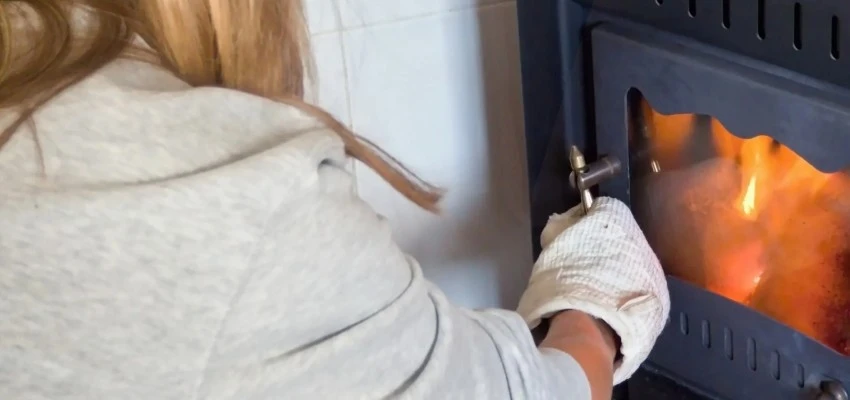
A record of every Gas Fireplace Maintenance visit

