
Every fireplace has two jobs: keep the fire where it belongs and carry the exhaust safely outdoors. Any sound repair starts by making sure both still happen, and the answers on this page approach Ortal gas fireplace repair the same way. They respond to what homeowners around Langley ask after looking up “ortal fireplace repair”, with clear notes on warning signs, the checks you can safely make yourself and the work that belongs to a qualified technician.

Often, yes, especially when the body of the unit is sound and parts are still available. Worn gaskets, a tired thermocouple, a cracked firebrick or a noisy blower are routine repairs that can give an older fireplace many more seasons. Replacement deserves a conversation when the firebox is rusted through or cracked, when key parts such as the gas valve or ignition system are no longer made, or when the unit has been damaged by water or overheating. Ask the technician to explain both paths in plain terms, including how long each is likely to last, before you decide.
Corner, three-sided, see-through and island fireplaces have more glass, more seals and more ways for air to leak than a single-front unit. Ortal is a name many people connect with these open, architectural designs. During a repair, each glass panel may need to come off to reach the burner or clean the inside, and every gasket has to seat properly when it goes back so the sealed combustion chamber stays sealed. If your “ortal fireplace repair” search involves a unit with two or more glass sides, ask how the technician handles the glass and whether replacement gaskets will be on hand.
Fireplace glass gets hot enough to burn skin because it sits right in front of the flame, and on wide, frameless designs there is a lot of it within reach. Newer gas fireplaces usually come with a fine mesh barrier screen in front of the glass to reduce the risk of touching it. If your screen is missing or damaged, ask for a replacement made for your model rather than leaving the glass exposed, especially with children or pets at home. Glass that seems hotter than it used to, or a frame that discolors, is worth reporting during your next Ortal gas fireplace repair visit.
Most branded fireplaces wear out in predictable places, whatever name is on the front. Typical problems include:
None of these is unusual, and most can be repaired once the cause is confirmed.
A thorough gas fireplace check covers the parts that keep the flame clean and the exhaust moving outdoors. Typical steps include cleaning the pilot assembly and burner, testing the ignition and flame sensor, checking gas connections for leaks and confirming the flame looks right. On sealed units, the glass is removed, cleaned and its gasket inspected. Logs or decorative media are set back in the layout the manual shows, since misplaced pieces cause soot. Outside, the vent termination should be clear of nests, plants and debris. Ask for a short summary of what was found and anything that needs attention.

A repair visit usually follows a clear sequence, starting with diagnosis. The technician asks what you have noticed, reads the model and serial label and makes sure the unit is cool and safe to open. On a gas fireplace, that means watching the ignition sequence, inspecting the pilot, burner and venting and checking connections for leaks. On a wood unit, it means looking at seals, baffles, firebricks and the flue connection. Once the cause is found, you should hear what failed, what the fix involves and whether a part has to be ordered. Simple repairs are often finished the same visit.
Once a year suits most households, and we adjust from there. A gas fireplace that runs every evening through the colder months collects more dust in the burner and more wear on its ignition than one lit a few times a season. A wood stove used as a main heat source may need its flue swept more than once in a winter. We note what we find at each visit, such as how dirty the burner was or how much creosote came out, and suggest the next date from that. Your manual’s recommendation is the baseline; your usage fine-tunes it.
The most helpful thing is a cold, clear fireplace. We cannot safely open a unit that is still hot, so a gas fireplace switched off a few hours early and a stove left unlit since the day before save real time. We also need room to lay down drop cloths and set out tools, which means moving furniture, mantel décor and anything on the hearth. Outside, a clear route to the vent cap helps. If your fireplace has a wall switch, remote or thermostat, keep it handy. Pets tend to be happier in another room while panels come off.
Batteries are the usual cause, followed by pairing and then the electronics. On many units, the receiver near the valve runs on its own batteries, and homeowners often change the handset without realizing the receiver is the weak link. Power surges, outages and dropped remotes can also break the pairing between the two. If fresh batteries and re-pairing do not help, we test the receiver output and the valve’s response to it directly, which shows quickly whether the fault is in the remote system or in the fireplace. Replacing a remote kit is usually straightforward once the model is known.

Some decisions are easier once a person explains them in plain words. A technician from Chimney Sweep Langley can look at your fireplace, point out what matters and skip what does not. Ask for a visit and pick a time that works for your household in Langley.
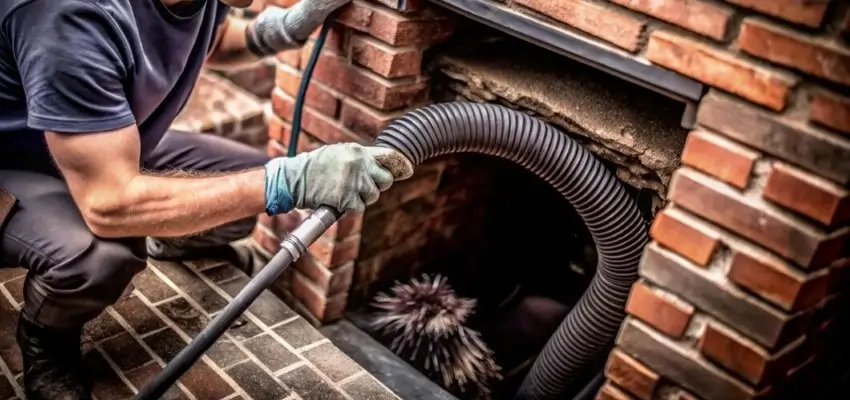
Chimney Cleaning that lifts soot and creosote in Langley
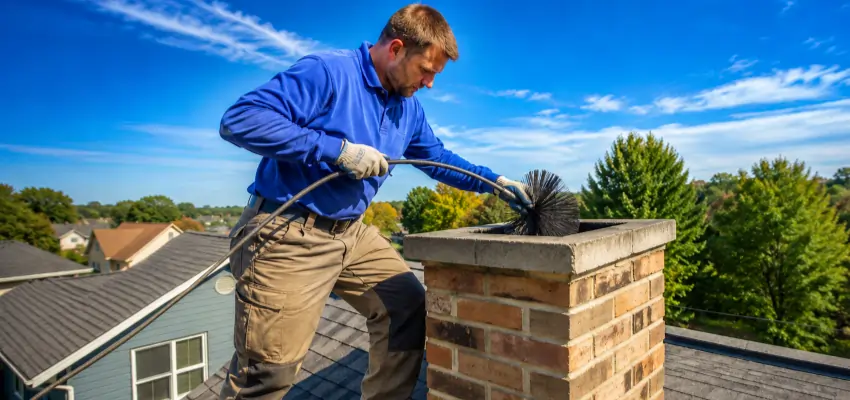
Careful Chimney Sweep for wood fireplaces and stoves in Langley
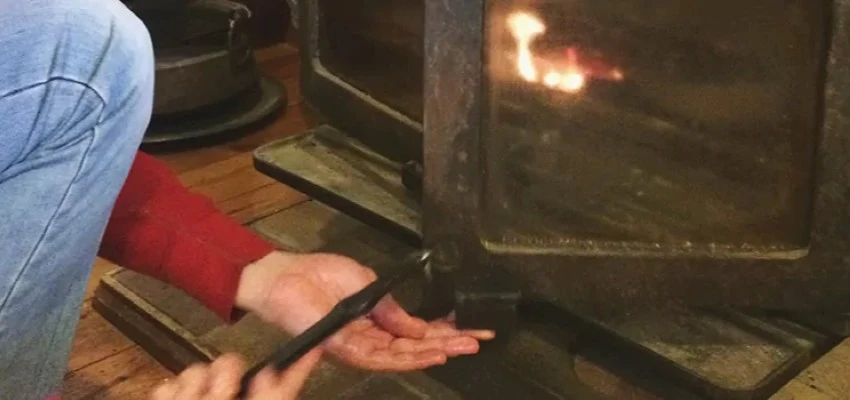
Flue brushing, damper checks, cleanup: Chimney Sweep Services in Langley
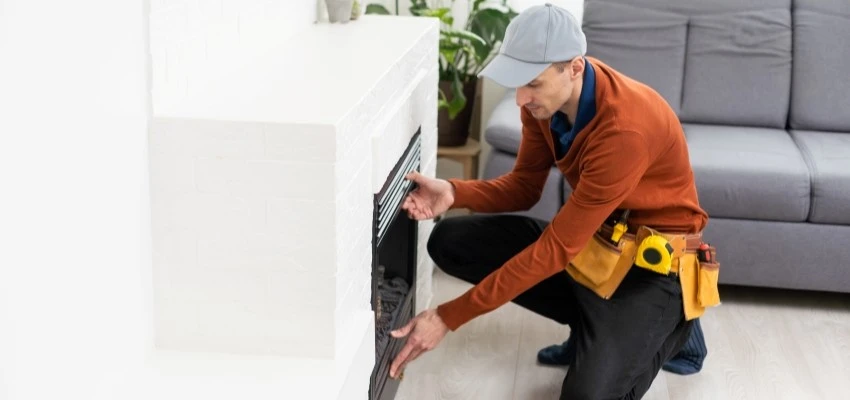
Ready for the season with Fireplace Experts in Langley
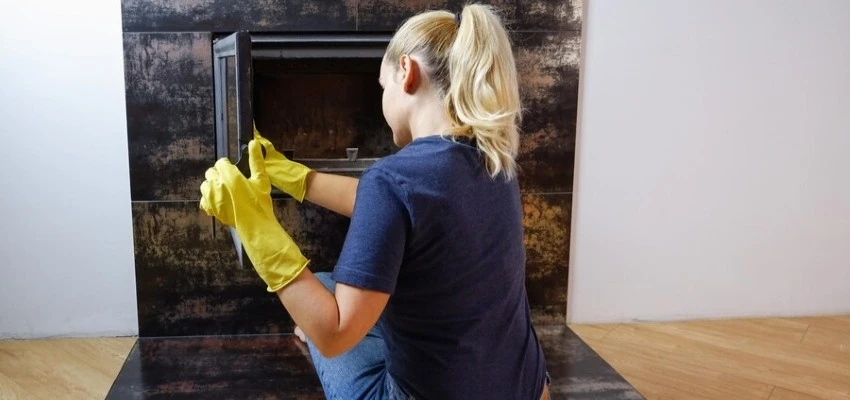
Logs lifted, embers reset: Gas Fireplace Cleaning near Langley
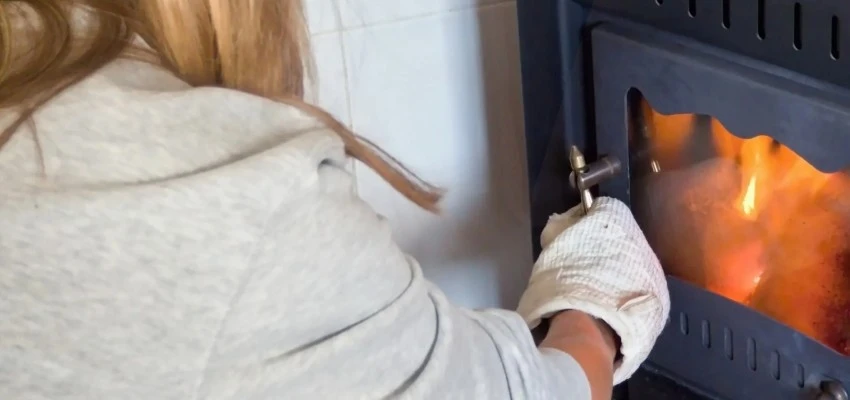
A record of every Gas Fireplace Maintenance visit

