
Many people assume only the store that sold their fireplace can repair it. In practice, independent technicians work on a wide range of brands, guided by the model label and the manufacturer’s instructions. If you searched for “osburn fireplace repair” because you were not sure who to call in Langley, read on. You will see how Osburn stove and insert repair usually unfolds, which details speed things up and which warning signs mean the unit should stay off until someone has looked at it.

Only in the details; the principles carry over. A thermocouple on one gas fireplace does the same job as on another, yet the mounting, length and connection can differ, and an electronic ignition board from one generation rarely fits the next. Wood stoves are similar, since baffles, air tubes and door latches vary by model even inside one product line. In practice, the first few minutes of every visit go to confirming exactly what we are looking at. After that, the diagnosis follows a routine any trained technician would recognize, and parts are matched to the model, not to the brand in general.
Smoke coming into the room usually means the stove is not drafting well or is leaking around its seals. Common causes include a door gasket that has flattened, a cracked glass seal, a partly blocked flue or chimney cap, a chimney that is still cold when the fire is lit and wet firewood that smolders instead of burning. Opening the door quickly can also pull smoke out. Open the air control and crack the door slowly before loading. If smoke keeps escaping, stop using the stove, have it and the chimney checked and make sure your carbon monoxide alarms work.
A stove that used to hold a fire overnight and now burns through its load quickly is usually pulling in too much air. Worn door or glass gaskets, a cracked firebrick that exposes a gap, a warped baffle or an air control that no longer closes fully are the common causes. Very dry or small pieces of wood burn faster too. A paper test at the door gasket is a fair first check you can do yourself when the stove is cold. If the seals pass, the technician looks deeper at the baffle, the air control linkage and the chimney draft, which can be stronger than the stove was designed for.
Thumping ignition, grinding fans, electrical burning smells and lingering smoke are the warning signs; ticking metal and a brief new-part smell usually are not. Telling them apart is a big part of our job. A delayed light-off that rolls flame out of the firebox suggests a dirty burner or a weak igniter. A fan that squeals has worn bearings. A sharp, plastic smell can come from wiring touching something hot. On gas units, the smell of gas means leaving the house and calling the gas utility from outside before calling anyone else, us included.
Servicing a wood stove is mostly about restoring a tight, predictable burn. We start with the seals, because a stove that leaks air burns too hot and too fast. Then we lower the baffle where the design allows, which lets us inspect the top of the firebox and the flue collar for creosote and corrosion. Firebricks are swapped if they are cracked through, and loose air tubes are reseated. If the stove uses a catalytic combustor, we check whether it is still doing its job. We finish at the stovepipe or liner and recommend a sweep if the deposits call for one.

Those perforated steel tubes feed preheated air into the top of the firebox so the smoke itself burns, which is how many modern wood stoves and inserts burn cleanly. On a well-used stove they can sag, crack or burn through, especially after overfiring, and some are held by pins or brackets that loosen. Damaged tubes let smoke escape unburned, so glass darkens and creosote builds faster. They are usually replaceable parts listed for each model. Mention any visibly bent tubes when you book your “osburn fireplace repair” visit, along with a photo, so the right set can be brought.
A common guideline is to have a fireplace or stove serviced once a year, ideally before the heating season. Gas units benefit from a yearly look at the burner, ignition, glass and venting, and many owner’s manuals suggest that interval. Wood stoves and inserts need their chimney or liner inspected yearly and swept as often as buildup requires, which depends on how much you burn and how dry your wood is. Heavy use, a unit that sat idle for a long time or any change in how it behaves are good reasons to book sooner rather than stretch the interval.
Prepare by letting the unit cool completely and clearing the space around it. Turn a gas fireplace off several hours before the appointment, and do not light a wood stove that day so the firebox is cold. Remove decorations, screens, rugs and anything stored on the hearth or mantel, and leave a clear path from the door. If the vent ends outside, make sure the technician can reach it. Have the manual and any past service paperwork ready, keep pets in another room and plan to be home to describe the problem and hear what was found.
Burning habits have a big effect on how long a wood stove’s parts last. Dry, seasoned firewood burns hotter and cleaner, which keeps glass clear and slows creosote buildup. Avoid overfiring: a stove packed full with the air wide open can warp baffles, crack firebricks and stress welds. Never burn trash, painted or treated wood, or large amounts of cardboard. Use the air control as the manual describes, remove ashes before they crowd the firebox and close the door gently so the gasket lasts. These habits stretch the time between repairs noticeably.

Whether it is a sound, a stain or something you spotted while cleaning, mention it when you contact us so the technician knows where to start. Describe what you noticed and Chimney Sweep Langley will follow up about Osburn stove and insert repair for your home.
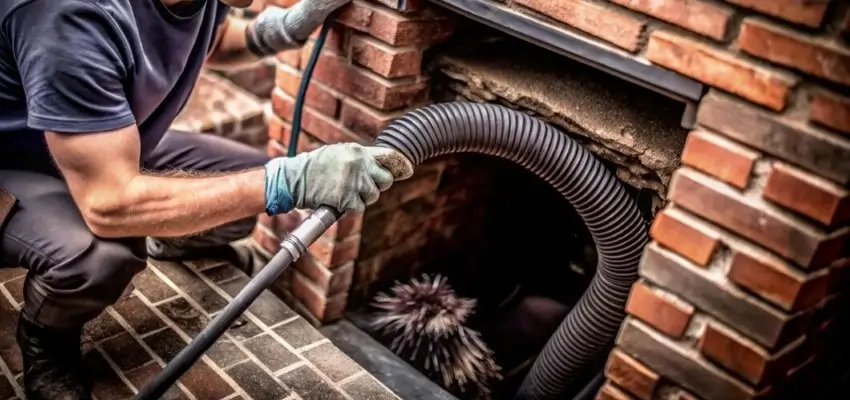
Chimney Cleaning that lifts soot and creosote in Langley
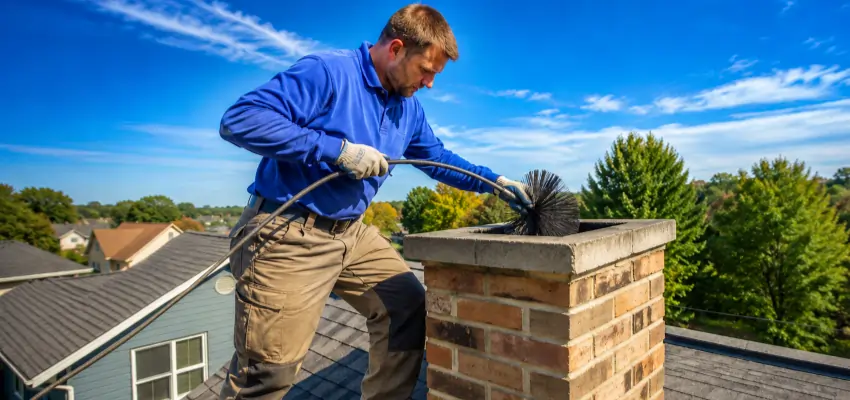
Careful Chimney Sweep for wood fireplaces and stoves in Langley
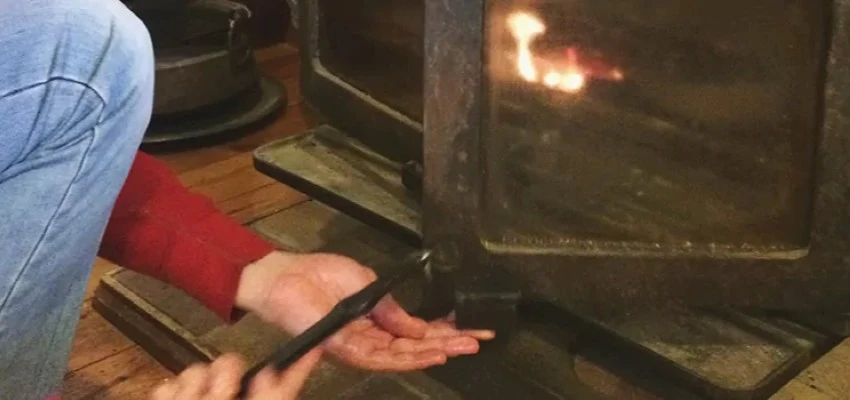
Flue brushing, damper checks, cleanup: Chimney Sweep Services in Langley
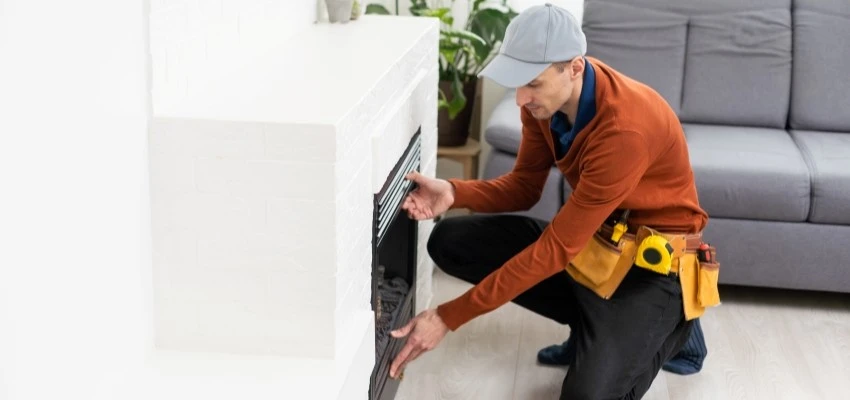
Ready for the season with Fireplace Experts in Langley
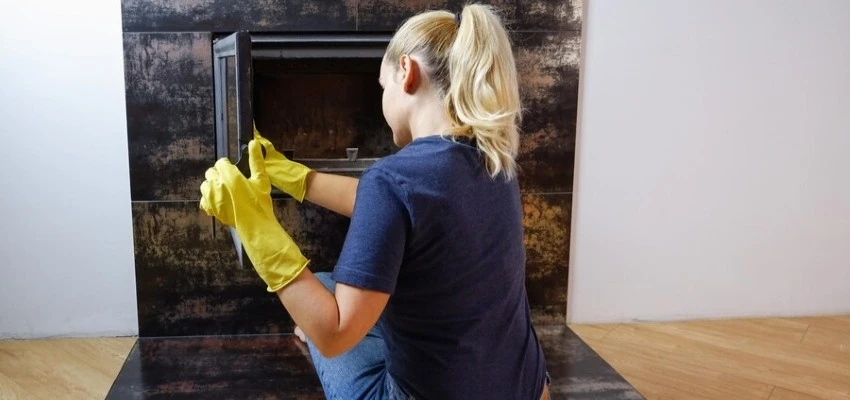
Logs lifted, embers reset: Gas Fireplace Cleaning near Langley
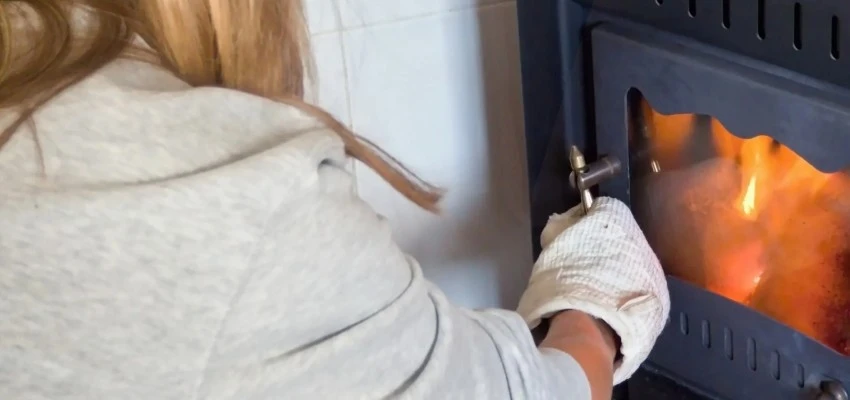
A record of every Gas Fireplace Maintenance visit

