
Bought a house with a fireplace you have never lit? Inherited a stove with a name you do not recognize? Searching for “pacific energy fireplace repair” is a reasonable first move, and this guide picks up from there. It walks through the everyday questions about Pacific Energy stove and insert repair that homeowners in Langley bring to our technicians, including how often a unit should be looked at, how long repairs take and what to have on hand when you call.

Not fundamentally. The stoves and inserts behind a search for “pacific energy fireplace repair” are built around the same clean-burning principles as many others: a sealed door, a baffle above the fire and secondary air that burns off the smoke. What differs from model to model is the shape of the baffle, how the air tubes are fixed and which gaskets and firebricks fit. A technician reads the rating label and works from the manual for that exact stove. Chimney Sweep Langley is an independent service company, so our job is to follow those instructions carefully rather than represent the manufacturer.
No, a dealer is not the only option. Independent technicians repair most major brands of gas fireplaces, inserts and wood stoves, because the core systems are similar from one maker to the next. What matters is that the technician identifies your exact unit from its rating label, follows the manufacturer’s installation and service instructions and uses the replacement parts those instructions call for. Dealers mainly sell and install new equipment, and some also offer service, but the choice of who works on your stove is yours. Ask anyone you call which types of units they handle and how they source parts.
Film on fireplace glass usually tells you something about how the fire is burning. On gas units, a white haze is common and builds up from minerals and byproducts in the combustion gases; it can be cleaned with a product made for fireplace glass, since ordinary cleaners may etch it, ideally during a service visit on sealed units. Black soot on gas glass is different and suggests the flame is not burning cleanly, often because of misplaced logs, dirt in the burner or a venting issue. On wood stoves, brown or black staining usually comes from smoldering fires or damp wood.
For the parts that wear, generally yes. Manufacturers tend to support their common service parts long after a model leaves the showroom floor, and many older units share components with newer ones. The harder calls come with obsolete control modules, valves and trim. Our routine is to read the rating label, find the parts list for that exact model and look for the original or a substitute the manufacturer approves. We do not adapt gas parts from other units to make something work. If a key safety component simply no longer exists, we will tell you so rather than force a repair.
Many fireplace repairs are finished in a single visit of an hour or two, especially when the problem is a common wear part the technician carries. Longer visits happen when the fault is intermittent, when an insert has to be pulled forward or when several issues turn up together. If the needed part is not in stock, expect a diagnosis visit followed by a second appointment once it arrives, which can take days or weeks for older or less common models. Ask for a realistic timeline before work starts, especially if you rely on the fireplace for heat.

The cost of fireplace repair depends mainly on the part involved, how hard it is to reach and how long diagnosis takes. A worn gasket or thermocouple is a modest job, while a control module, gas valve or blower buried deep inside an insert takes more time and a costlier part. Older or discontinued models can add time spent tracking down the right component, and some repairs need a second visit once the part arrives. Ask for a quote that separates labor from parts and explains what is included, so you can compare offers fairly.
Specific symptoms help most, along with the label information and the age of the unit if you know it. “It will not turn on” could mean no spark, a pilot that lights and drops out or a burner that never follows; each points somewhere different. Tell us whether the fireplace runs on a remote, a wall switch or a thermostat, whether it has power to it and when it was last serviced. For wood stoves, mention how the fire behaves and what wood you burn. Short videos of the startup are surprisingly useful, since they let us hear and see the sequence.
Clean it out and let it breathe. Once the last fire is out and the stove is cold, remove all ashes, since ash left in the firebox over a humid summer draws moisture and can corrode steel. Leave the air control slightly open and the door unlatched, if your manual allows, so air keeps moving through. Spring is also a sensible time to have the chimney swept, because deposits can smell in warm, damp weather. Note anything you noticed during the season, such as gasket or glass issues, and book the “pacific energy fireplace repair” work over the summer while schedules are lighter.
Burning habits show up in a stove’s parts so clearly that we can usually tell how it has been run before we ask. Warped baffles, cracked bricks and discolored steel point to overfiring, often from loading lots of dry wood with the air control wide open. Heavy black glass and sticky creosote point the other way, to damp wood or fires starved of air. The stoves that age gracefully get steady, moderate fires of well-seasoned wood, regular ash removal and doors that are latched rather than slammed. Following the burn instructions in your manual protects the gaskets, glass and internal parts.

When the work is done, you should understand what was found, what was handled and whether anything needs attention later. That is how Chimney Sweep Langley closes every job. Book your visit and leave with a clear picture of your stove.
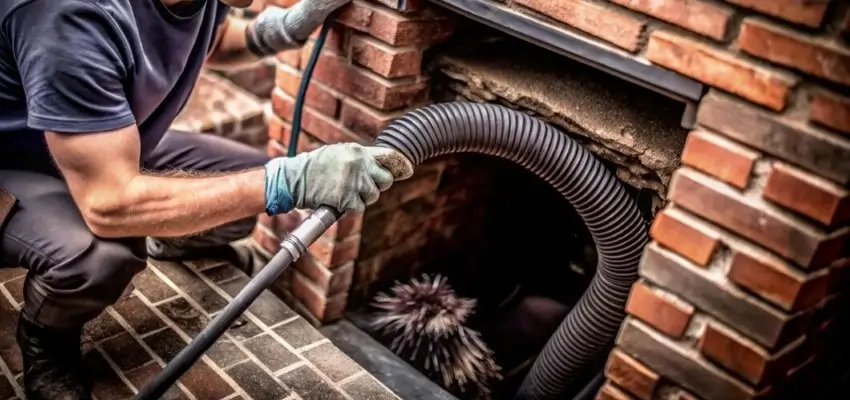
Chimney Cleaning that lifts soot and creosote in Langley
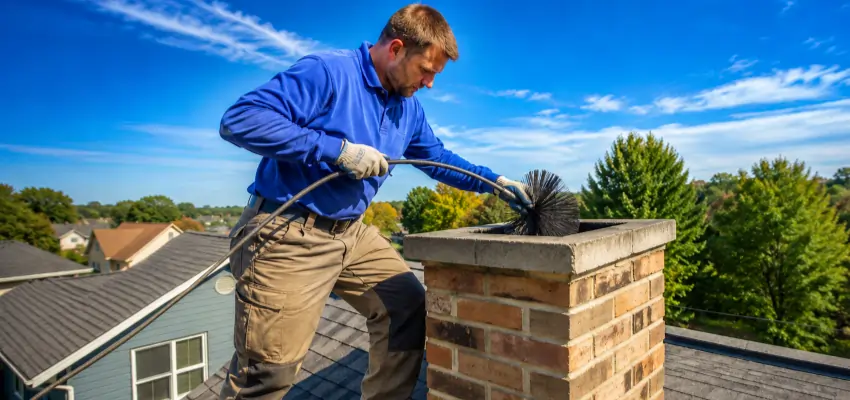
Careful Chimney Sweep for wood fireplaces and stoves in Langley
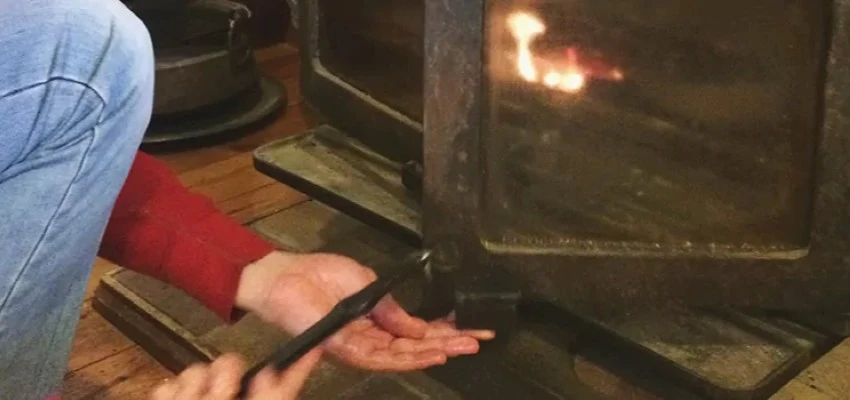
Flue brushing, damper checks, cleanup: Chimney Sweep Services in Langley
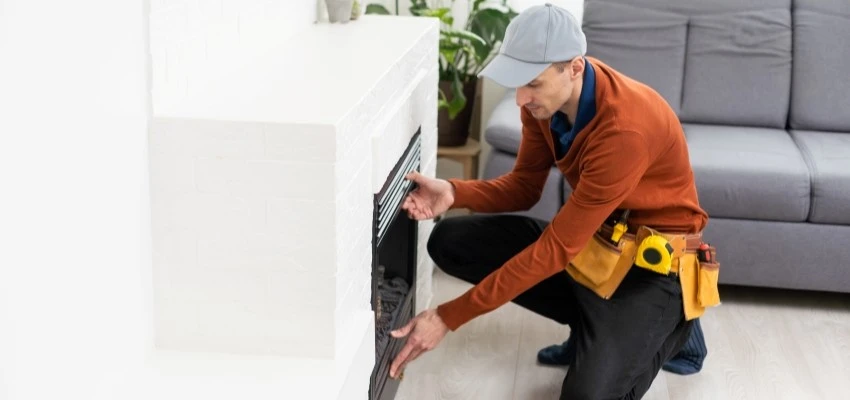
Ready for the season with Fireplace Experts in Langley
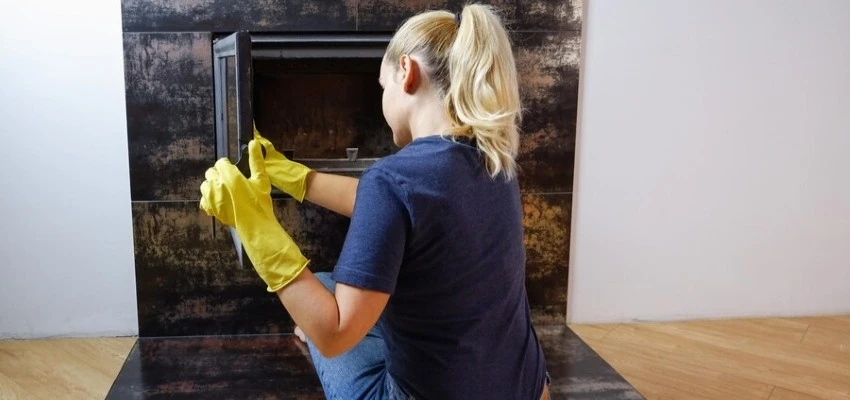
Logs lifted, embers reset: Gas Fireplace Cleaning near Langley
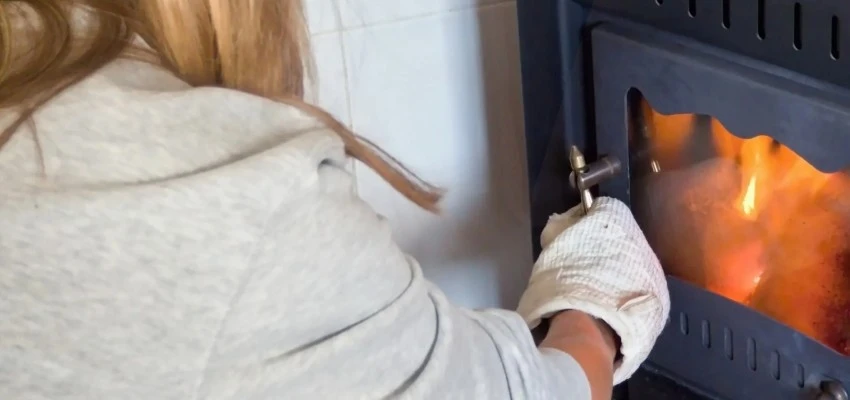
A record of every Gas Fireplace Maintenance visit

