
The questions on this page come from real conversations with homeowners, usually on the driveway while everyone is looking up at the roof. If “prefab chimney installation” brought you here, you are in good company. The answers explain factory-built chimney installation for homes around Langley without jargon or sales talk, so you can decide what your chimney needs and when. Read the questions that apply to your home and skip the rest.

Usually when a new fireplace or wood stove is being added where there is no chimney, or when an existing prefab chimney has worn out, been damaged or no longer matches the appliance. Common signs of a worn system include rust, separated pipe sections, a damaged cap or chase cover and warped parts after a chimney fire. Factory-built chimneys are also used on additions and basements where a masonry chimney would be impractical. If you are researching “prefab chimney installation”, start by confirming exactly which fireplace or stove the chimney will serve, since that decides which system can be used.
Work that affects the inside of a chimney, such as flues, liners, dampers or appliance venting, belongs with a chimney specialist, while a roofer is the right call for the shingles around it. Chimney technicians understand draft, heat and the clearances that keep nearby wood safe, and they have the tools to inspect a flue with a camera. Many jobs sit on the border, like flashing or the part of the chimney above the roofline, and either trade may handle them. When in doubt, ask how the company would check the flue and the chimney top, not only the outside.
Factory-built fireplaces and chimneys are designed and tested together, so the installation instructions name the chimney system that can be used with each unit. Mixing parts from different makers, or pairing a chimney with an appliance it was not designed for, can change clearances, heat resistance and draft in ways nobody has tested. That can create a fire risk inside walls and ceilings. A careful installer checks the appliance’s documentation and nameplate before ordering parts. During factory-built chimney installation, every section, support and firestop should come from the matching system.
A prefab chimney is installed by building a continuous, compatible path from the fireplace or stove to above the roof. The installer confirms the appliance and the chimney system it is listed with, plans the route, cuts openings in ceilings and the roof, and fits firestops, supports and pipe sections with the required clearance to wood. Where the chimney leaves the house, it gets flashing, a storm collar and the matching cap, and it may be enclosed in a framed chase. Many installations take one to two days, longer when a chase must be framed and finished.
A common guideline is a professional check once a year, often before the season when the fireplace or stove is used most. Chimneys that serve wood-burning appliances, have had recent work or face harsh weather benefit most from that yearly rhythm. Extra checks make sense after a storm, a chimney fire, a roof replacement or any change to the fireplace or appliance. Even a chimney that is rarely used should be looked at, because weather, animals and settling affect it whether or not you light fires.

We need three things from you: a cold appliance, a clear path and good information. Cold means no fire or stove use for a day or so, so we can work in the flue safely. A clear path covers the hearth, the route through the house and the ground where ladders go. Good information includes gate codes, where the attic hatch is, any pets at home and anything fragile on the roof, such as skylights. With those sorted, setup goes quickly and the crew can spend its time on the chimney rather than moving patio chairs.
Follow the crew’s instructions about when the fireplace or stove can be used again, since new mortar, coatings or liners may need time. In the weeks after, watch for any stains, drafts or smoke that seem new. Keep the area around the chimney top clear by trimming branches and cleaning nearby gutters. If you burn wood, use dry, seasoned firewood and have the flue swept regularly, which protects liners and tiles. Book a yearly inspection, and keep receipts and photos from the work so future technicians know what was done.
Homeowners can safely handle the watching and the basics, while anything on the roof or inside the flue belongs with a professional. Safe tasks include burning only dry, seasoned wood, keeping the hearth clear, opening and closing the damper to check it moves, looking at the chimney from the ground with binoculars and checking walls and ceilings near the chimney after storms. Do not climb onto the roof, apply sealers yourself, work on liners or touch gas appliance venting. A carbon monoxide alarm on each level of the home is a simple, important step.
A good chimney quote lists the work item by item, the materials and sizes, how access will be handled, the expected timing and what happens if hidden damage is found. It should say whether clean-up, disposal, any permits needed and a follow-up visit are included. When comparing quotes, line them up side by side and check that each covers the same scope; a much lower price often means fewer items, thinner materials or a shortcut such as a coating instead of a repair. Ask each company to explain anything you do not understand before you sign.

No jargon, no surprise add-ons and no long sales pitch. We explain what the work on your chimney involves, what it costs and how long it takes, then you decide. Call (778) 909-9614 to talk it over with Chimney Sweep Langley.
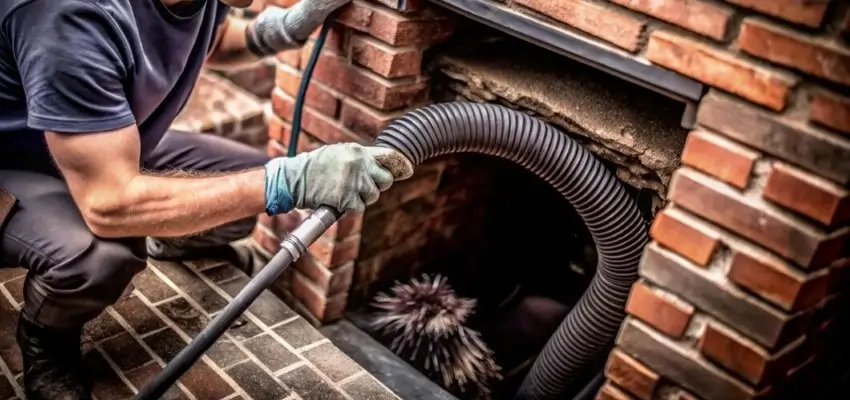
Chimney Cleaning that lifts soot and creosote in Langley
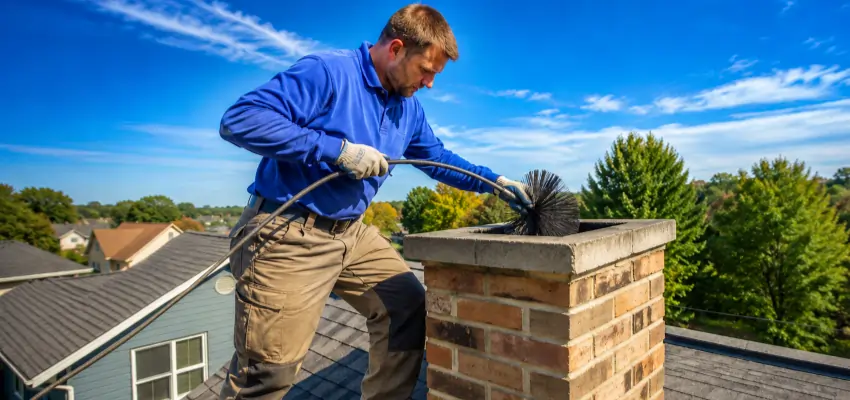
Careful Chimney Sweep for wood fireplaces and stoves in Langley
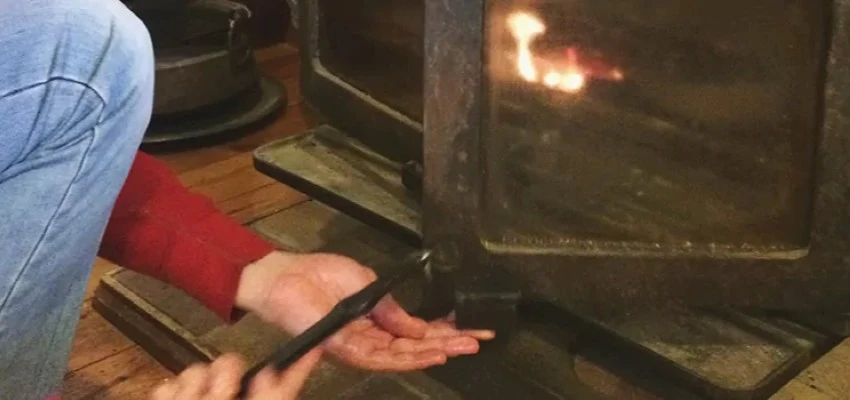
Flue brushing, damper checks, cleanup: Chimney Sweep Services in Langley
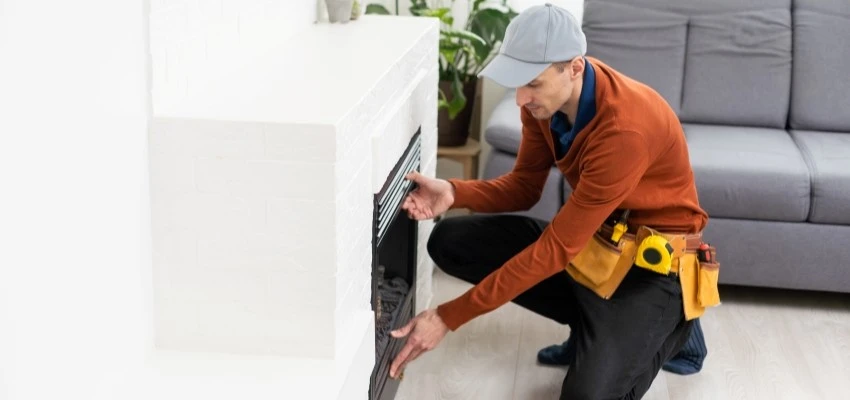
Ready for the season with Fireplace Experts in Langley
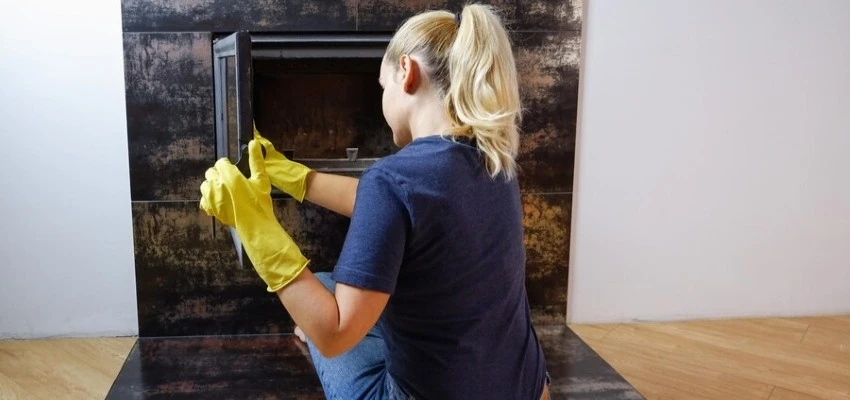
Logs lifted, embers reset: Gas Fireplace Cleaning near Langley
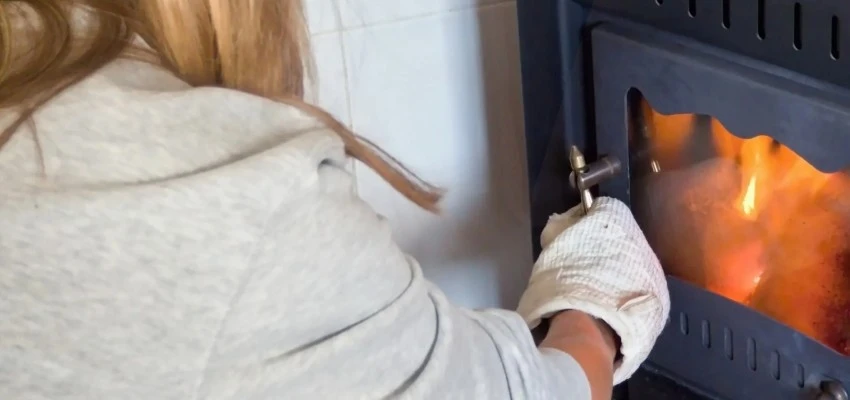
A record of every Gas Fireplace Maintenance visit

