
When homeowners in Langley search for “quadra-fire fireplace”, they usually want three things answered: what is wrong, whether it can be fixed and what the work will involve. The answers below take those questions one at a time, for gas fireplaces, inserts and wood-burning stoves, without a sales pitch. Read the parts that match your unit and you will go into any conversation about Quadra-Fire stove and fireplace service knowing which details matter and which ones do not.

Pellet stoves need more frequent cleaning than most owners expect, because ash collects in the burn pot, the heat exchanger and the exhaust path every time they run. Quadra-Fire is one of the brands that offers pellet models alongside wood and gas units, so if your “quadra-fire fireplace” search is about a pellet stove, mention it when you book. Typical service includes cleaning the burn pot and exhaust passages, checking the igniter, auger and combustion blower and inspecting door gaskets. Routine burn-pot and ash cleaning between visits follows your manual. Pellet stoves also depend on household power, so an outage stops them.
A rotten-egg smell, a strong smoky odor in the room, a bang or whoosh when the burner lights and a grinding blower are the ones to take seriously. If you smell gas, do not touch switches or the fireplace controls; leave the home and call your gas utility from outside. For a delayed, booming ignition or smoke that keeps escaping, stop using the unit and book a check. Some sounds and smells are normal, though: light ticking as metal heats and cools, and a paint or oil smell during the first fires after new parts are fitted. Working carbon monoxide alarms add an extra layer of protection.
Plan on an hour or two for most visits, with exceptions we can usually predict. The unit needs to be cold before we open it, so a fireplace that was running that morning adds waiting time. Diagnosis is quick when the fault happens on demand and slower when it only shows up after the unit has been running a while. Parts are the other variable: if we carry the part, the repair usually happens on the spot; if it has to be ordered, we schedule a return trip and share what we know about delivery.
The model and serial number are printed on a rating label or metal plate attached to the unit. On many gas fireplaces and inserts, it sits behind the lower louver or grille near the controls, sometimes on a chain or tag that pulls out. On freestanding stoves, it is often on the back or underneath. Wait until the unit is completely cool, use a flashlight and take a clear photo rather than copying it by hand. Do not remove panels or touch gas parts to find it. If you cannot locate the label, photos of the front and the controls still help.
Yes, photos often help a technician prepare and bring the right parts. The most useful ones show the rating label, the whole unit from the front, the control area behind the lower grille if it is easy to see, and the flame or fire while it is running. A short video of what happens when you try to start it can reveal a lot. For wood stoves, include the door gasket, the glass and the stovepipe. Do not remove panels or touch gas parts to get a shot. Photos cannot replace a hands-on check, but they can shorten it.

Give the technician the brand, model and serial number, the fuel type and whether it is a built-in fireplace, an insert or a freestanding stove. Then describe the problem as precisely as you can: what happens, when it started, whether it is constant or comes and goes and anything that changed around that time, such as a power outage, new batteries or renovation work. Mention any blinking lights or sounds, and what you have already tried. Photos of the label, the controls and the flame help a lot. Clear details often mean the right part arrives with the first visit.
After a repair, the unit should start and run normally, though a brief smell from new parts, gaskets or paint is common during the first hour or two of use. Open a window and let the fireplace run for a while to help it burn off. Ask the technician what was replaced and keep that note with your manual. Watch the flame or fire for the first few uses: it should look steady and clean, without soot on the glass. If the original problem returns or a new symptom appears, call back promptly rather than waiting for it to settle.
Burning habits show up in a stove’s parts so clearly that we can usually tell how it has been run before we ask. Warped baffles, cracked bricks and discolored steel point to overfiring, often from loading lots of dry wood with the air control wide open. Heavy black glass and sticky creosote point the other way, to damp wood or fires starved of air. The stoves that age gracefully get steady, moderate fires of well-seasoned wood, regular ash removal and doors that are latched rather than slammed. Following the burn instructions in your manual protects the gaskets, glass and internal parts.
Any technician experienced with the type of unit you own, whether it burns wood, gas or pellets, can work on it by following the manufacturer’s instructions for that model. Chimney Sweep Langley is an independent service company with no affiliation to the brand; we identify your unit from its label and use the parts its manual lists. When you compare companies after a “quadra-fire fireplace” search, ask which fuel types they service, since pellet and gas work call for different skills from wood stove work. A clear answer and a willingness to look up your model are good signs.

We are glad to explain the process, the likely timing and what affects the price before you decide anything. Most people find that a few minutes of conversation answers the questions this page could not. Send us a message and we will reply with clear next steps.
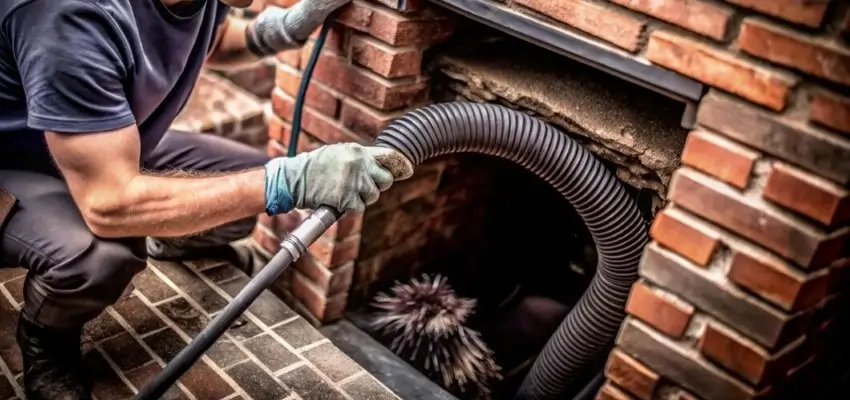
Chimney Cleaning that lifts soot and creosote in Langley
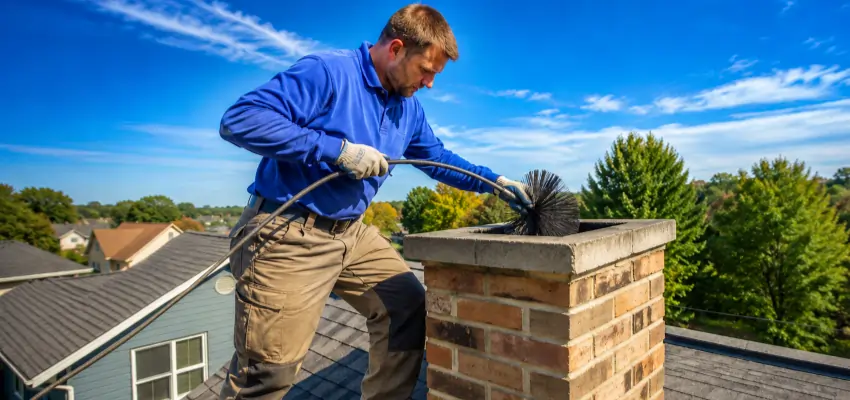
Careful Chimney Sweep for wood fireplaces and stoves in Langley
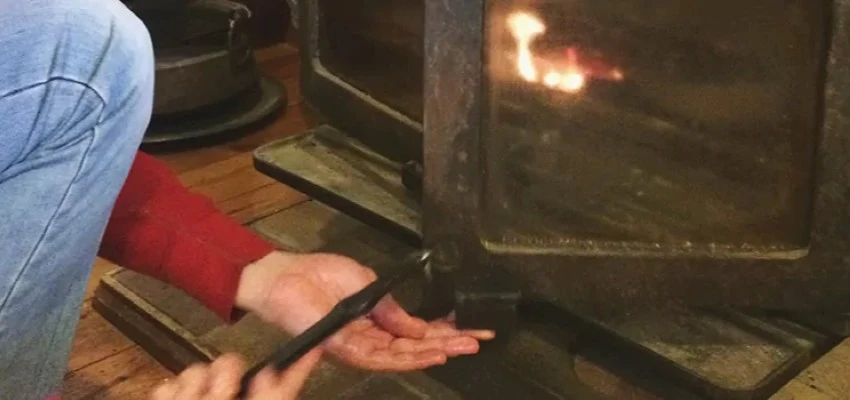
Flue brushing, damper checks, cleanup: Chimney Sweep Services in Langley
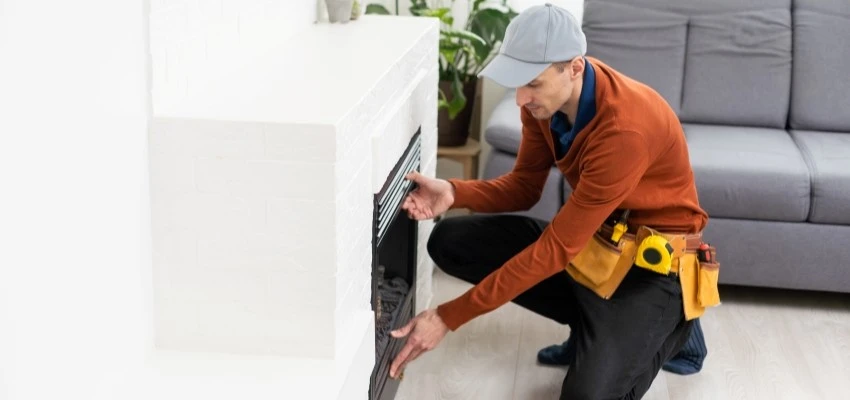
Ready for the season with Fireplace Experts in Langley
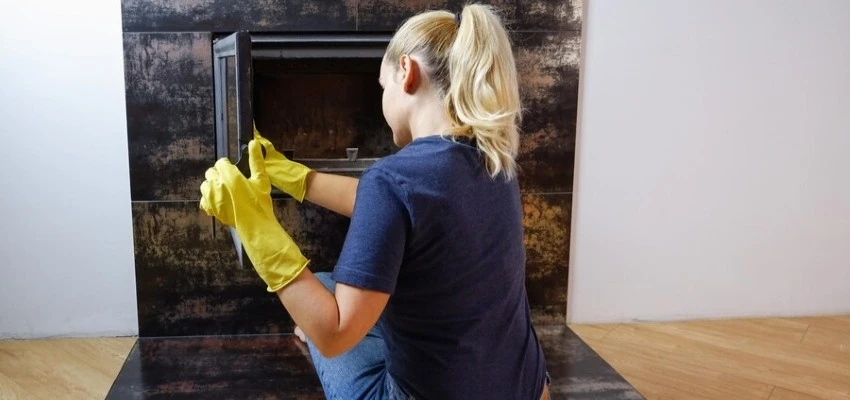
Logs lifted, embers reset: Gas Fireplace Cleaning near Langley
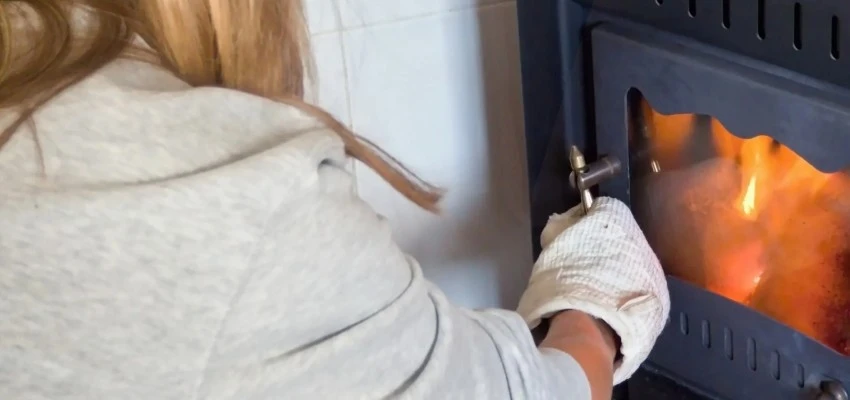
A record of every Gas Fireplace Maintenance visit

