
Most of what homeowners ask about wood fires comes down to three worries: is it safe, is it working properly and what will it take to fix? This page tackles all three for households in Langley. If you arrived by searching for “repairing cracked fireplace tiles”, you will find fireplace tile repair explained without jargon, with notes on what changes from one home to the next and which checks need no ladder or tools.

Repairing is usually worth it, because the costly parts of a wood-burning setup, such as the chimney and the masonry around a fireplace, are built to last a very long time. Worn mortar, a rusted damper, cracked firebrick and tired door gaskets are all fixable. Replacement starts to make sense when the main body is failing: a stove with a cracked or badly warped body, a factory-built fireplace whose metal box has rusted through, or masonry so damaged that rebuilding approaches the cost of starting over. A technician can lay out both paths with their pros and cons so you can compare them calmly.
The clearest signs a fireplace needs repair are visible damage and changes in how it behaves. Look for cracked or loose firebrick, mortar that crumbles or leaves gaps, rust flakes falling into the firebox, a damper that sticks or will not close, and cracked tiles on the hearth or surround. Smoke drifting into the room, a strong odor in warm weather and water stains near the opening point to trouble too, often higher up in the chimney. Any one of these deserves a closer look before the next fire, and several together usually mean repairs are overdue.
Start by checking the garage, basement or attic, since builders and previous owners often left spare tiles behind. If none turn up, a tile supplier may be able to match the size, color and finish from a sample, especially for common styles. Salvage yards and specialty makers can help with older or handmade tiles. When an exact match is impossible, some homeowners place a contrasting tile in a deliberate pattern, or retile the hearth or surround entirely. If you are researching “repairing cracked fireplace tiles”, keep one broken piece to take shopping.
The repairs wood-burning fireplaces need most often are replacing damaged firebrick, repointing worn mortar joints, fixing or replacing the damper and repairing the chimney cap or crown. Firebrick cracks and joints erode after many fires, which can let heat reach the surrounding structure. Throat dampers rust, warp or seize, and many are replaced with a damper mounted at the top of the chimney. Caps blow off, and crowns crack and let water in. Hearth tiles, glass doors and screens need attention now and then as well. Most of these jobs are fixed in a single visit.
A common guideline is to have the chimney inspected once a year and swept whenever buildup calls for it, which for many households also works out to about once a year. Homes that burn a fire most evenings through the colder months may need a sweep more often, sometimes partway through the season, while a fireplace used a few times a year may go longer between cleanings. Wood stoves used as a main heat source tend to build up creosote faster. Damp wood, smoldering fires and cold outside chimneys all shorten the interval, so let the yearly check guide the schedule.

The cost of fireplace repair depends on what is damaged, how far the damage has spread and how easy the area is to reach. A few loose firebricks or a new damper are smaller jobs; a full firebox rebuild, smoke chamber work or repairs to the chimney above the roofline involve more labor and materials. Matching older brick, tile or stone adds time, and so does fixing the cause, such as a leaking crown that let water in. Factory-built fireplaces depend on parts made for that model. Ask for a written scope so every quote covers the same work.
Many chimneys can be cleaned from inside, through the fireplace opening or stove, but a complete job often includes a look from the roof as well. Working from below with flexible rods handles plenty of flues, especially with a vacuum holding the dust back. The roof is where the cap, crown, flue top and outside masonry can be checked, and some caps or tight bends make cleaning from the top easier. Technicians only go up when weather and roof conditions allow it safely. Mention steep pitches, fragile roofing or tight ladder space when you book.
Remove ashes only when they are completely cold, using a metal shovel and a metal container with a tight lid. Ashes can hide live embers for several days, so wait well after the last fire and stir them gently to check for warmth. Set the closed container outside on a non-combustible surface, away from the house, decks and anything that burns, and never put ashes in a paper bag, plastic bin or household vacuum. In an open fireplace, a thin bed of ash can help the next fire, while stoves need more regular emptying so air can reach the coals.
Fix the cause, then treat the hearth more gently. If the tiles cracked because the base was weak or the hearth settled, that needs repair before new tiles go down. Day to day, set logs down rather than dropping them, avoid banging heavy tools against the hearth and keep grates and andirons from scraping across tile. Very large fires that push heat toward the hearth can stress tiles near the opening, so moderate fire sizes help. Grout with gaps or cracks should be resealed with a heat-resistant product before moisture and stress loosen nearby tiles.

Sometimes the most useful thing is simply knowing whether there is a problem at all. A visit from Chimney Sweep Langley gives you that answer, along with practical advice for keeping things in order. Call (778) 909-9614 to set one up.
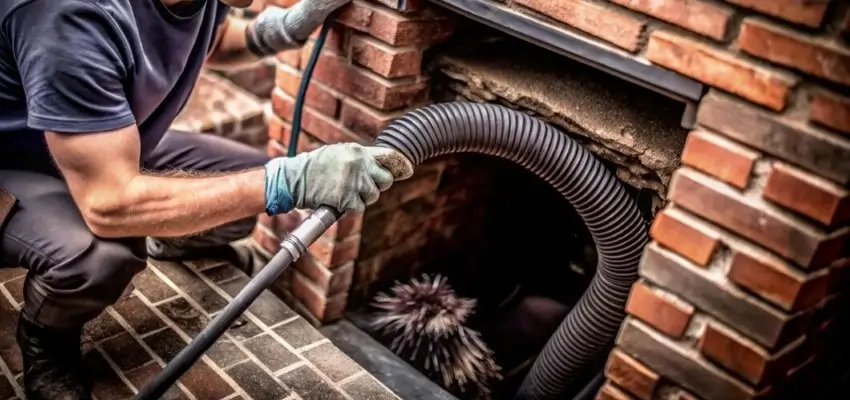
Chimney Cleaning that lifts soot and creosote in Langley
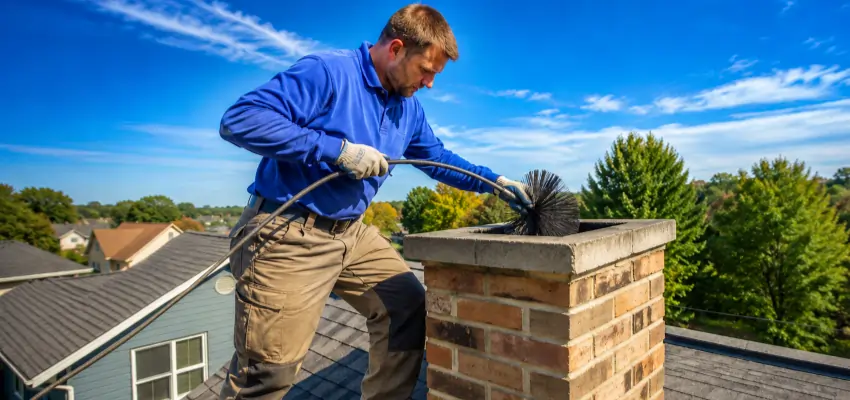
Careful Chimney Sweep for wood fireplaces and stoves in Langley
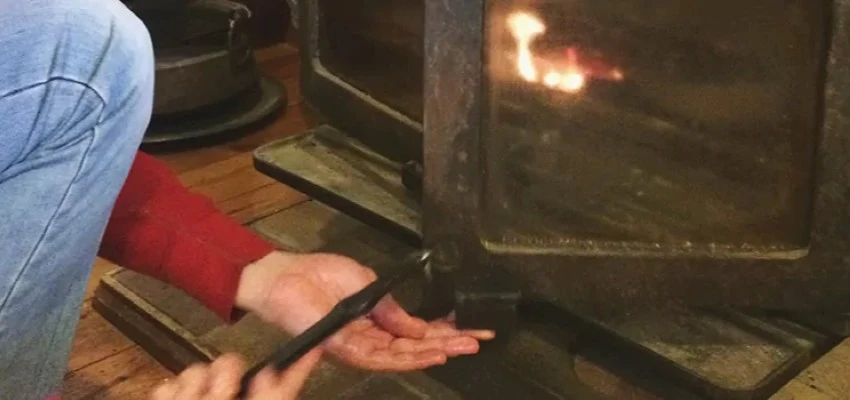
Flue brushing, damper checks, cleanup: Chimney Sweep Services in Langley
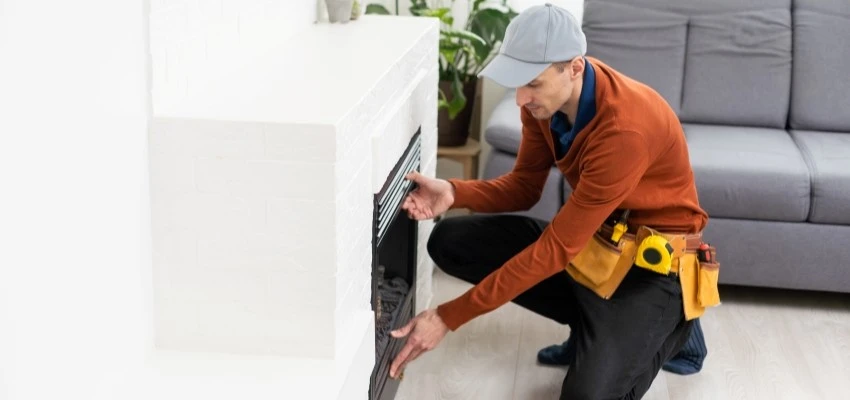
Ready for the season with Fireplace Experts in Langley
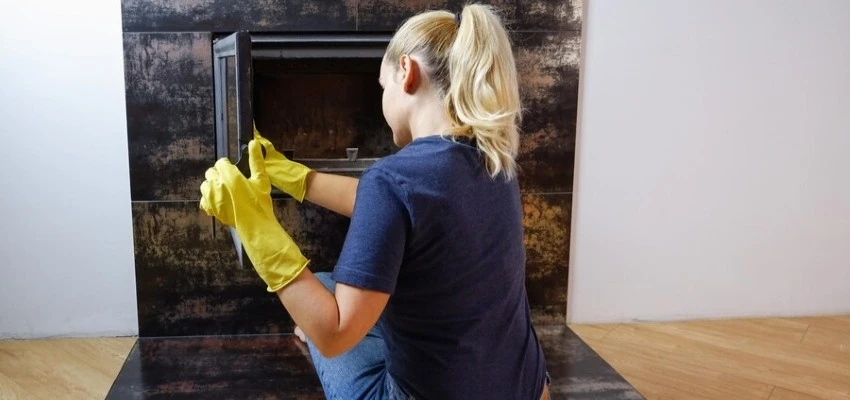
Logs lifted, embers reset: Gas Fireplace Cleaning near Langley
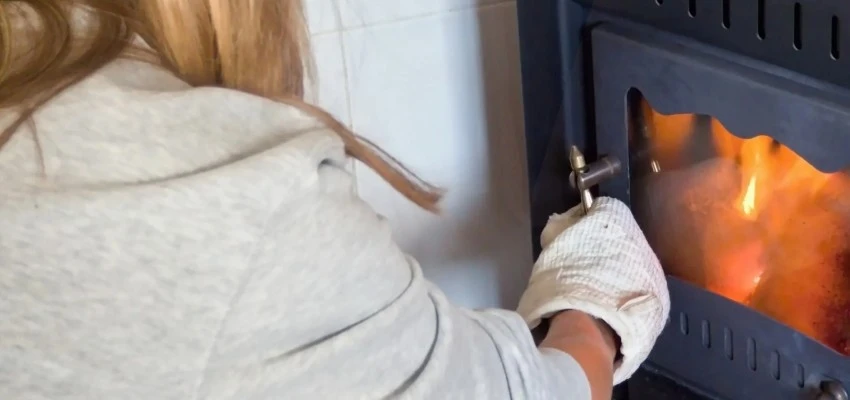
A record of every Gas Fireplace Maintenance visit

