
Chimney work is one of those services where it pays to understand the basics before anyone quotes you a price. A little background makes every conversation with a technician easier and every recommendation easier to weigh. This page offers that background for readers in Langley who searched for “soot removal”, with plain explanations of chimney soot cleanup and the reasoning behind the advice you are likely to hear.

Creosote is the residue that forms when wood smoke cools on its way up the chimney and its tars, gases and moisture condense on the flue walls, and it is dangerous because it burns easily and very hot. A thick layer can catch from a stray spark or an unusually hot fire, and the resulting chimney fire can crack liners and push heat toward nearby framing. Creosote builds faster with damp wood, smoldering fires and chimneys on cold outside walls. It may look like black flakes, a sticky tar or a hard, shiny glaze. If you see any of these on the damper or around the firebox, book a sweep.
Fast soot buildup points to incomplete combustion, meaning the fire or burner is not getting enough air or is not hot enough. In wood-burning appliances, damp wood, smoldering fires and a restricted air supply are the usual causes. In gas or oil appliances, it often means the burner needs cleaning or adjustment, which is a job for a qualified technician, not a do-it-yourself fix. A narrowed or partly blocked flue makes all of this worse. If you find yourself needing chimney soot cleanup more often than once a season, ask the technician to look for the root cause.
The smell comes from deposits reacting with moisture, and summer simply supplies more moisture. Creosote is porous, so on muggy days it soaks up water and releases the odor compounds trapped inside it. At the same time, a house with its windows shut and fans running often pulls outside air in through the easiest opening, which is frequently the chimney. We confirm that by feeling for a downdraft at the damper. Musty or rotten smells point elsewhere: water soaking into masonry, leaves decaying on the smoke shelf or an animal that died in the flue. Each cause has a different fix, so identifying it comes first.
On our visits the flue, smoke chamber, damper and firebox all get cleaned, working along the path of the smoke from the hearth up to the cap. We protect the floor and nearby furniture, seal the opening around our vacuum hose so dust stays contained, then work the flue with rods and a brush matched to the liner: stiff wire for clay tile, softer poly for stainless steel. The smoke chamber above the damper gets hand tools, because creosote clings to its sloped walls. Before and after, we look at the flue condition, often with a camera. At Chimney Sweep Langley, the visit ends with a short walkthrough of what came out, how heavy it was and anything we would keep an eye on.
From the scheduling side, spring and summer give owners the most choice and give us time to handle repairs before the cold arrives. A flue swept right after the last fire of the season also smells better through the muggy months. The rush starts with the first chilly week of fall, and calendars around Langley fill quickly from there. For businesses with fireplaces or ovens, quieter stretches of their year are usually easier for access as well. We sweep in every season, though. The right time is whenever a problem shows up, and otherwise a fixed month you will remember each year.

A cold firebox and a bare hearth help us more than anything else. Clear a few feet of floor for the vacuum and drop cloths, and lift screens and ornaments off the hearth itself. Warm ash is the most common reason a job starts late, since we cannot clean safely until it has cooled. Outside, we need a stable spot near the chimney for the ladder, so mention soft ground, flower beds or a deck that might be in the way. Tell us about alarm systems, a dog that dislikes visitors or a roof that is easier to reach from the back. Those small details save time on the day.
The chimneys we find cleanest belong to owners who burn hot and dry. Creosote forms when smoke cools before it leaves the flue, so anything that keeps smoke hot and thin helps. Well-seasoned wood looks gray, has cracked ends and knocks hollow; heavy, fresh-looking logs hiss and smoke. Top-down fires, with kindling above the larger pieces, tend to burn cleanly from the start. Stove owners who run a brisk fire for a while each morning, rather than smoldering it all night, also see less buildup. A flue that stays lightly coated from one year to the next is the clearest proof the routine is working.
Wait until the ashes are completely cold, ideally a couple of days after the last fire. Close nearby doors and turn off fans that could stir the air. Lay down an old sheet, then scoop the ashes gently with a metal shovel into a metal bucket with a lid, lowering each load rather than dropping it. Do not use a regular household vacuum, which pushes fine soot through its filter. Store the bucket outdoors on a non-combustible surface. A careful routine keeps rooms cleaner between visits, while “soot removal” takes care of the flue itself.
The biggest advantage of a chimney company that works nearby is familiarity with the buildings, weather and chimney styles of your area. Neighborhoods built in the same era tend to share construction details, so a nearby technician has likely seen your type of chimney many times. Local crews can also schedule more flexibly and return easily if a cap needs adjusting or you have a question later. Before booking, confirm the company works in your area itself rather than passing the job along, and ask for a clear arrival window. Recent reviews from nearby addresses are a useful check.

The quote form takes a minute or two. Add your address in Langley, a line about what you need and how you would like us to reach you. Fill in the form and we will get back to you with a price and the next available times for chimney soot cleanup.
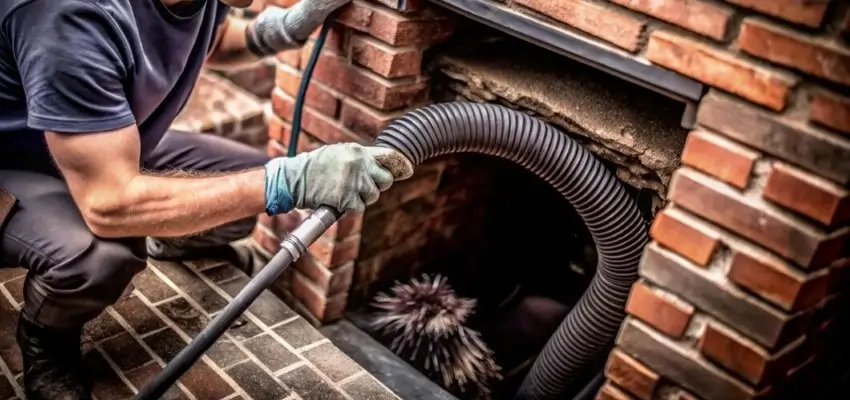
Chimney Cleaning that lifts soot and creosote in Langley
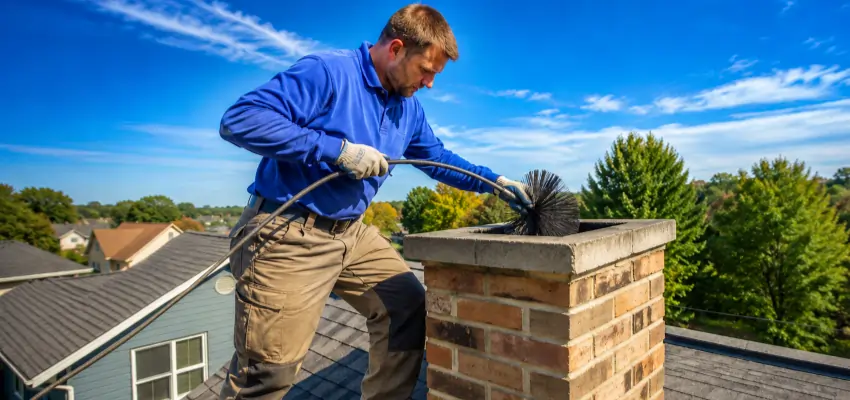
Careful Chimney Sweep for wood fireplaces and stoves in Langley
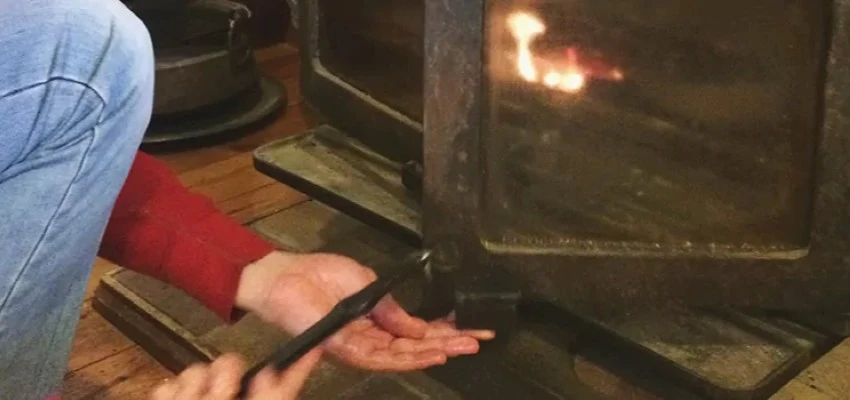
Flue brushing, damper checks, cleanup: Chimney Sweep Services in Langley
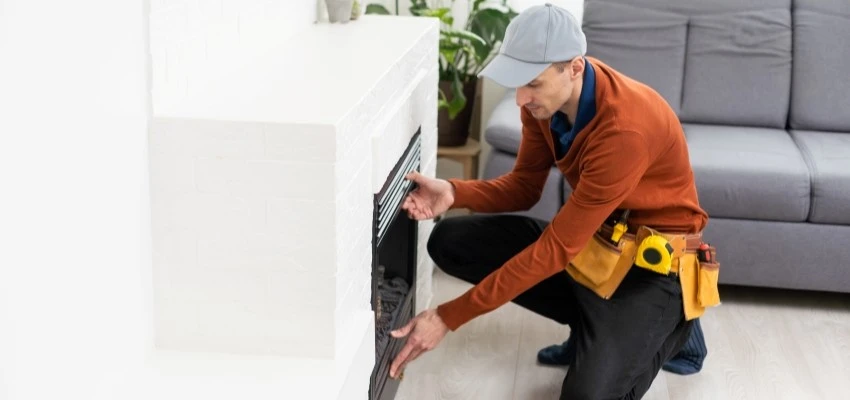
Ready for the season with Fireplace Experts in Langley
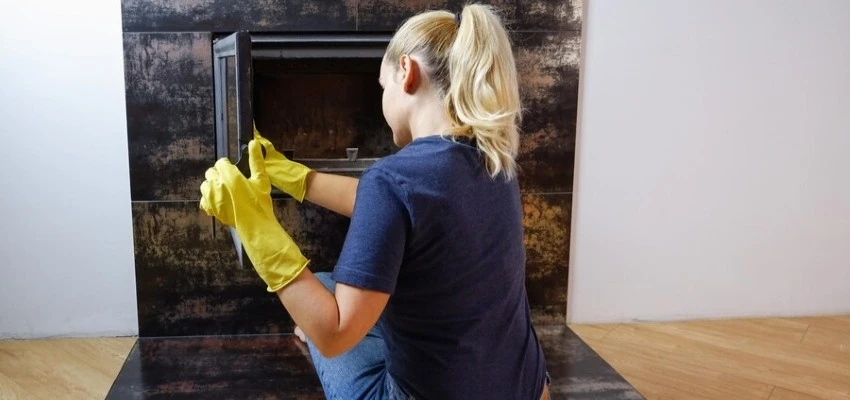
Logs lifted, embers reset: Gas Fireplace Cleaning near Langley
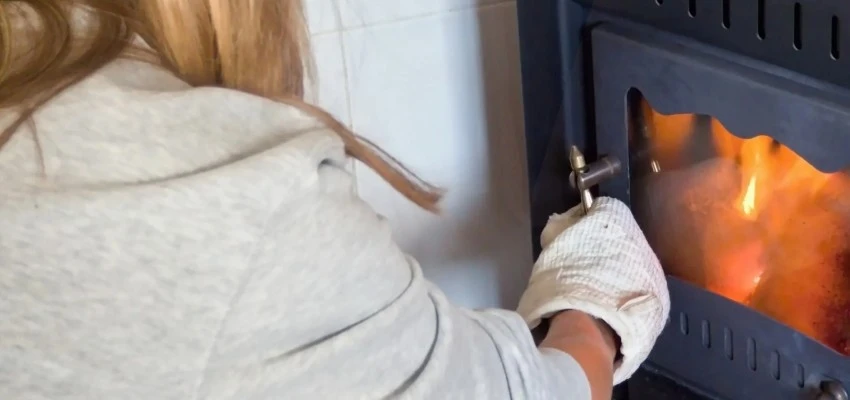
A record of every Gas Fireplace Maintenance visit

