
The first cool evening of the season is when many people remember the chimney and start wondering what state it is in. If you searched for “wood stove chimney services”, you probably want clear facts before anyone climbs onto the roof. This page answers the questions owners around Langley ask most often about wood stove chimney care, in plain language and without scare tactics. Read the parts that match your situation, skip the rest and come away knowing what is normal, what deserves a closer look and what can safely wait.

Soot is dry carbon and creosote is a tar-based wood smoke residue, and telling them apart helps us work out what is going on with the appliance. Soot wipes off on a fingertip and falls easily under a brush. When we find heavy soot in a flue serving a gas furnace, boiler or fireplace, we take it as a sign the burner may need attention from a qualified gas technician. Creosote, by contrast, tells us how the wood fires have been run: flaky deposits suggest reasonably hot burning, while sticky or glassy layers point to cool, smoky fires or firewood that was not dry enough.
The system starts at the stove’s flue collar, where the connector pipe, often called stovepipe, attaches. That pipe runs to either a wall pass-through or a ceiling support, then joins the chimney itself, which may be a lined masonry flue or an insulated, factory-built metal chimney. At the top, a cap keeps out rain and animals. Each joint and transition is a point where creosote can gather or a seal can fail. Asking for “wood stove chimney services” means caring for every one of those pieces, not just the visible pipe above the stove.
Creosote is condensed wood smoke, and its flammability is the main reason chimney sweeping exists. Smoke carries unburned particles and vapor, and when it meets a cooler surface those compounds stick. We find the heaviest deposits where gases slow down or lose heat quickly: the smoke chamber just above the damper, the bends in a stovepipe and the upper section of chimneys built on an exterior wall. That residue is fuel sitting inside a passage built to carry fire, so a spark or an overloaded firebox can ignite it. That is why we gauge its thickness on every visit and explain what it means for you.
The obvious signs are noise, smoke and flames at the top, but the ones we look for are what a fire leaves behind. Creosote that has burned swells into a light, porous crust that looks a little like charcoal sponge. Clay tiles crack or shift, metal liners and caps can buckle or turn blue, and the mortar near the top may show heat damage. We sometimes find these marks in chimneys whose owners had no idea anything happened, because a slow fire can burn out on its own. That is why a camera inspection is the usual next step whenever there is any doubt about a past fire.
Smoke comes back into the room when the chimney cannot pull it upward fast enough, and the usual causes are a cold flue, a partly closed damper or a house that is short of air. Make sure the damper is fully open and start with a small, hot kindling fire so the flue warms gradually. Kitchen and bathroom fans can draw air down the chimney, so switch them off and open a nearby window slightly. Wet wood produces heavy smoke too. If smoke still spills in after those changes, a blockage or a problem with the chimney itself needs a professional look.

Cleaning a stove system means treating the stove, the connector pipe and the chimney as one path, because creosote does not stop at the joints. We start inside the stove, since the baffle and the flue collar collect fine ash that chokes the draft. The connector pipe often holds more buildup than the chimney, especially where it turns at an elbow. Then we sweep the flue with a brush that suits the liner. Stoves burned low and slow overnight leave the stickiest deposits we see, so we also ask how the stove is run. Small changes to those habits often make the next cleaning noticeably easier.
A wood stove chimney is commonly swept at least once a year, and a stove that heats the house through most of the winter often needs more than that, with a check partway through the season. Stoves tend to produce more creosote than open fireplaces because they are airtight and often run at low, slow settings that let smoke cool in the flue. Watch for black flakes around the pipe joints, a lazy draft or smoke when you open the door. Ask your technician to show you how to check the buildup safely between visits, always with the stove cold.
Yes. Any new installation, relocation or swap of one stove for another changes how the system works, so it deserves a professional look before regular use. The technician checks that the connector pipe is the right size and properly secured, that the chimney suits the new stove and that clearances to walls, floors and furniture follow the stove maker’s instructions. Hearth protection under and in front of the stove matters too. If you are arranging “wood stove chimney services” after a renovation, mention any changes to nearby walls or flooring, since those can affect clearances as well.
If the sweep finds damage, ask to see it, ask what it means for safety and get a written quote before you agree to anything, since a sound recommendation can always be shown and explained. Photos or camera footage should make the problem clear. Ask whether the fireplace or stove can be used in the meantime, and which repairs are urgent and which can be planned. Common findings include a cracked crown, loose flashing, a rusted damper, a missing cap or cracked flue tiles. For larger jobs, such as relining, a second opinion is reasonable. Avoid deciding under pressure on the doorstep.

The hardest part is often deciding to deal with it. Once you call (778) 909-9614, we take care of the scheduling, explain the visit and send a technician to your home in Langley. It is a straightforward way to get your stove chimney looked after.
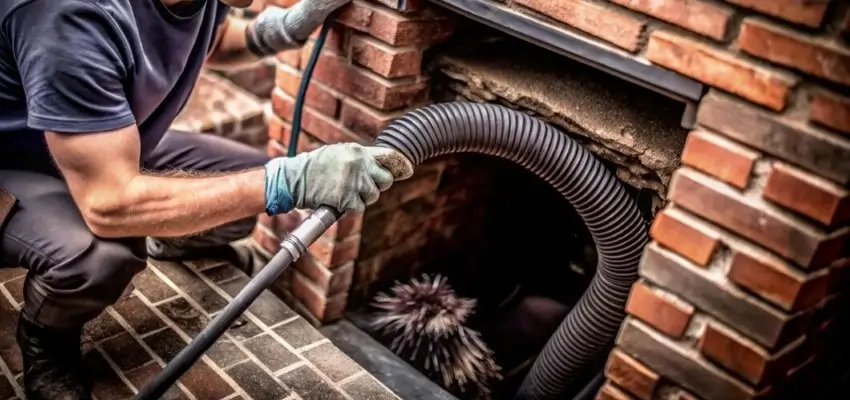
Chimney Cleaning that lifts soot and creosote in Langley
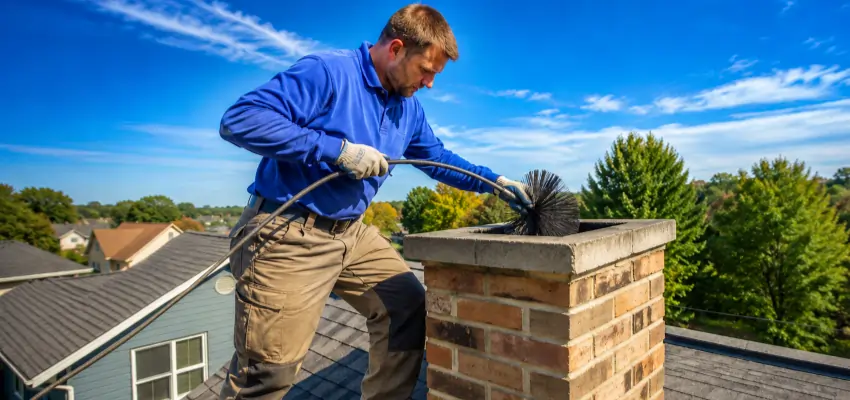
Careful Chimney Sweep for wood fireplaces and stoves in Langley
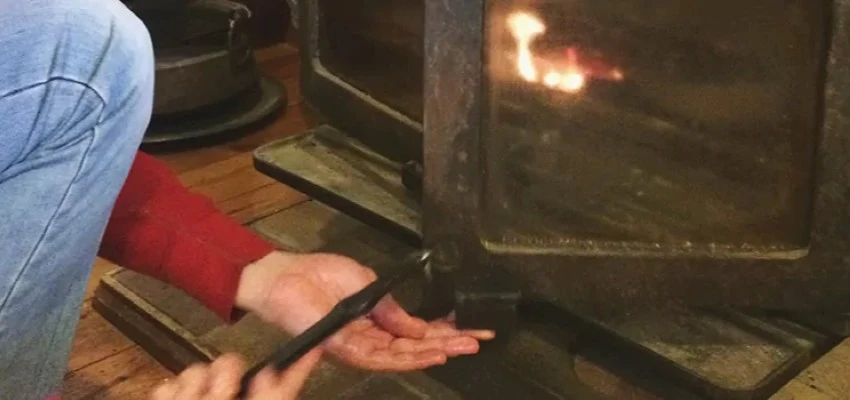
Flue brushing, damper checks, cleanup: Chimney Sweep Services in Langley
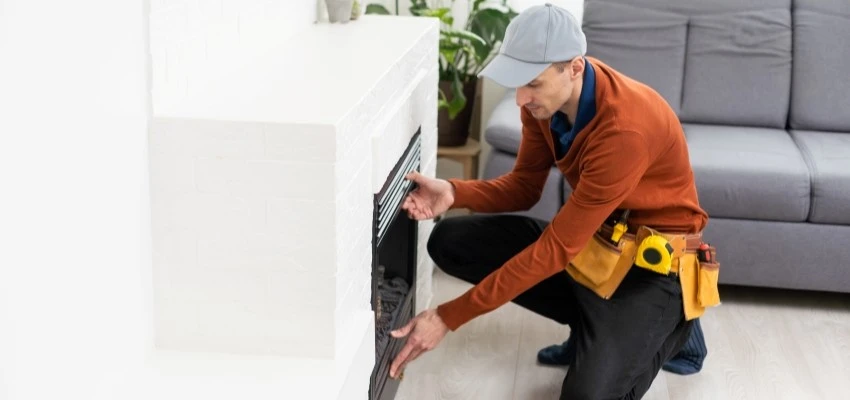
Ready for the season with Fireplace Experts in Langley
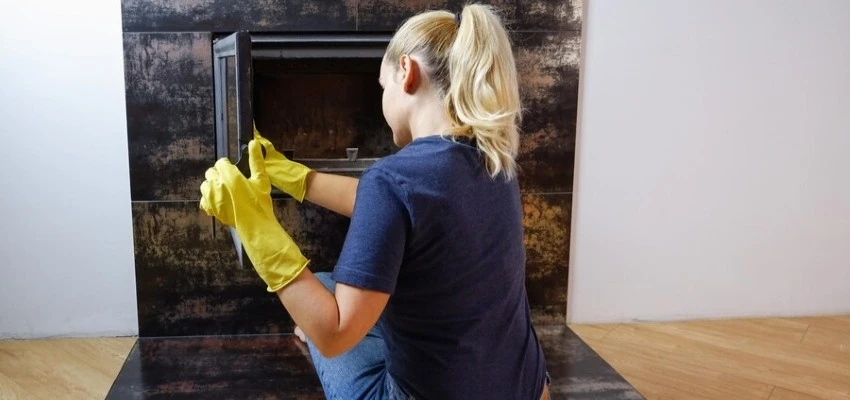
Logs lifted, embers reset: Gas Fireplace Cleaning near Langley
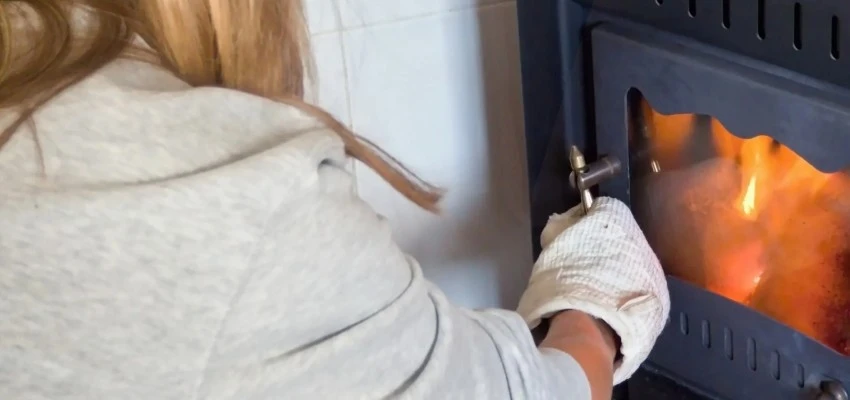
A record of every Gas Fireplace Maintenance visit

